Understanding the Complexities of Free Range Practices


Intro
The term free range often conjures up images of lush green pastures, animals meandering freely, and the sun shining down on a picturesque farm. However, this notion is just the tip of the iceberg when it comes to understanding what free range entails. It's not merely about the space animals occupy; it encompasses animal welfare, farming practices, environmental sustainability, and consumer choices.
When we talk about free range, it becomes crucial to differentiate it from other farming methods like cage systems or confined feeding operations. By delving deeper into this subject, we find myriad arguments both for and against free range systems, highlighting their significance in today’s world. More than just a trend, they represent a shift in how we perceive our connection with the animal kingdom.
With rising awareness among consumers about where their food comes from, the discussion around free range practices is even more relevant. Are eggs from free range hens healthier? Do animals raised in more natural environments produce better-quality meat? This article sets out to explore these questions and more, providing a thorough examination of free range as it relates to animal welfare, nutritional value, and ethical farming practices.
As a guide designed for those curious about the nuances of free range farming, our exploration will highlight its implications for animal health, environmental impacts, and ultimately our dining experiences. The intricate tapestry of free range practices is worth examining closely, as it has profound implications on how we live, eat, and perceive food produce in modern society.
Defining Free Range
Understanding the concept of free range is crucial in this discussion as it sets the groundwork for how we perceive and evaluate animal husbandry practices. Free range is not merely about allowing animals to roam freely; it is also deeply embedded in discussions surrounding animal welfare, environmental impact, and ethical consumption. By delving into what free range truly represents, we can better grasp its implications on food quality and consumer choices.
General Definition
The term "free range" is more than just a catchy phrase for marketing. In the context of farming, it generally refers to a system where animals, particularly poultry, have access to outdoors during their life. This is contrasted with more conventional farming methods, where animals are often confined in cages or crowded barns. The key elements defining free range practices include:
- Outdoor Access: Animals must have outdoor space to roam and engage in natural behaviors.
- Space Requirements: Regulations often specify how much space per animal is necessary.
- Shelter: Although animals can access the outdoors, they must also have shelter to return to when conditions are unfavorable.
These components highlight the basic freedom that free range offers, promoting a lifestyle that closely mimics natural living conditions. However, the quality and extent of this freedom can vary widely across different farms and regulatory standards.
Historical Context
To truly appreciate the evolution of free range farming, one must look back into its roots. Historically, many farm animals lived in a more naturalistic setting, foraging outdoors and participating in the ecosystem rather than being confined. The rise of industrial farming in the mid-20th century, however, transformed this paradigm dramatically. With increased demand for meat, dairy, and eggs, many farmers adopted intensive methods that often prioritized output over animal welfare.
- In the 1960s, movements advocating for humane treatment of animals began to emerge in response to these practices. Awareness grew about the mental and physical health of confined animals, leading many consumers to seek alternatives that aligned with their ethical values.
- By the 1990s and 2000s, certifying organizations began to implement standards for what constituted free range, shaping public perception and creating a marketing strategy that claims to ensure higher animal welfare standards.
The historical journey of free range reflects broader trends in society, including shifts toward more sustainable and humane agricultural practices. As consumers become increasingly conscious about the origin of their food, the demand for accurately labeled free range products has surged. Without understanding this context, one might overlook the narrative surrounding animal welfare and ethical consumption that has become a significant part of today’s food industry.
Differences Between Farming Practices
Understanding the differences between various farming practices is key to deciphering the free range label. It presents essential insights into how our food is produced and, ultimately, its impact on the environment and animal welfare. By delving into comparisons with cage-free, conventional, and organic farming, readers can better appreciate not only the nuances of free range but also its wider implications for the industry.
Free Range vs. Cage-Free
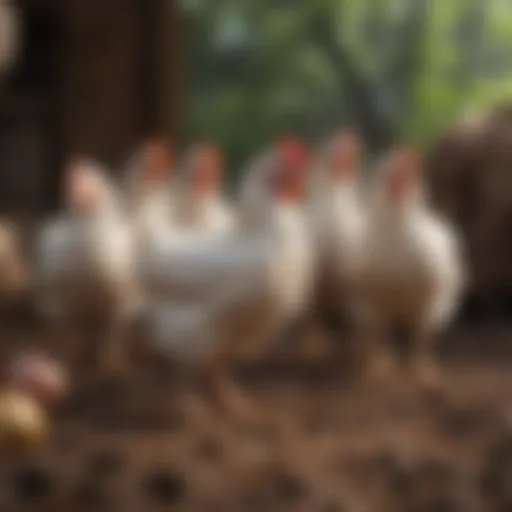
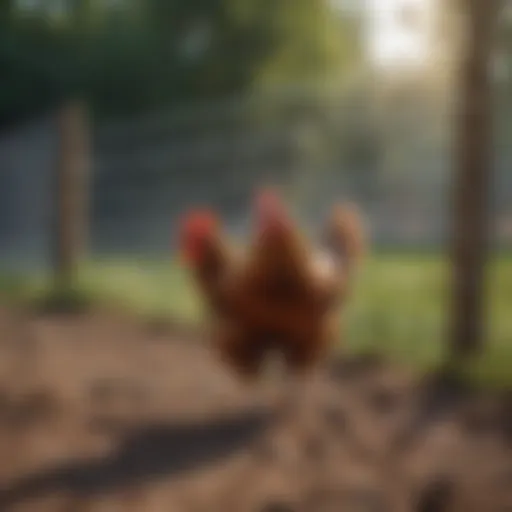
When you think of cage-free eggs, the first image might be chickens waddling around freely. However, that’s just half the story. Cage-free hens are typically housed indoors, allowing them more space than their caged counterparts, but they often lack access to the outdoors. Rather, they scratch about in a barn or similar surroundings only. In contrast, free range chickens are permitted outdoor access, which can vary by brand and practices, but generally fosters a more natural behavior.
Key Differences
- Living Conditions: In a cage-free facility, chickens can move around, but they often miss out on pecking at the grass or feeling the sun. Free range efforts prioritize outdoor living, promising better conditions.
- Behavioral Opportunities: With outdoor access, free range chickens can exhibit instinctual behaviors like dust bathing and foraging, contributing to their overall well-being.
- Investment: Many consumers are willing to pay a premium for free range products, believing these hens have better lives.
"Free range is not about just letting chickens out; it's about nurturing their nature."
Free Range vs. Conventional Farming
Conventional farming relies heavily on industrial practices, often employing intensive methods to maximize yield. Animals in such operations typically lead more restricted lives, with space constraints affecting their health and stress levels. You'll find that conventional practices often prioritize productivity over animal welfare, leading to different ethical questions about food sourcing.
Crucial Comparisons
- Animal Welfare: Free range methods almost always result in better welfare outcomes, as animals experience less confinement. This gives them healthier lives, which may resonate with consumers interested in ethical sourcing.
- Environmental Impact: The environmental footprint of conventional farms can be heavier due to their reliance on antibiotics, hormones, and detrimental practices. Free range farms tend to embrace more sustainable approaches.
- Product Quality: People might say that free range eggs have richer flavors, a product of well-treated animals feeding on a varied diet including bugs and greens.
Free Range vs. Organic
Organic farming shares some similarities with free range practices but encompasses additional standards. Organic principles include not only animal welfare guidelines but also strict regulations on what can be fed to the animals. Free range can be organic, but not all free range practices uphold organic standards because they may not adhere strictly to non-GMO feed or other certified organic practices.


Distinguishing Features
- Feed: Organic farming ensures animals receive organic feed, free of pesticides and synthetic fertilizers. In free range systems, this is not a requirement. Thus, the food provided might differ significantly.
- Certification: Organic certification can add a layer of assurance for consumers concerned about pesticides. It often translates to the highest level of animal care and environmental stewardship.
- Market Demand: The organic sector has grown rapidly, with many consumers actively seeking organically produced food due to perceived health advantages. Free range offerings often draw in a similar audience, but the motivations may vary.
For further exploration of these farming practices, visit resources like Wikipedia, Britannica or even join discussions on Reddit.
Animal Welfare Considerations
Animal welfare is a cornerstone of the free range philosophy, encapsulating various aspects that go beyond mere definitions or standards. In the context of free range practices, the focus on animal welfare brings a multitude of benefits, not only for the animals themselves but also for the environment and potential food quality. The freedom of movement, social interaction, and ability to express natural behaviors contribute significantly to the overall health and well-being of farm animals. Understanding these elements is vital for anyone who is passionate about animal husbandry or simply curious about where their food originates.
Psychological Well-Being of Animals
When discussing the psychological aspects of animal welfare within free range systems, it’s crucial to consider how these systems allow animals to engage in instinctive behaviors. Animals that are raised in environments where they can roam freely, engage in foraging, and interact with others of their kind tend to exhibit less stress and anxiety. Unlike their counterparts in conventional farming, who may be cooped up in cramped quarters, free-range creatures enjoy a sense of autonomy that can enhance their mental state.
- Social interactions play a significant role. Animals in free range systems often form social bonds, which is essential for their mental health. For instance, chickens that can socialize freely tend to show fewer signs of aggression and stress.
- Additionally, the ability to roam their environment contributes to cognitive engagement. Animals are not just surviving; they are thriving by exploring their surroundings and exhibiting natural behaviors.
Thus, when consumers prioritize free range products, they support not only a healthier livestock but also a more humane approach to agriculture.
Health Implications
From a health perspective, the benefits of free-range practices are noteworthy. The conditions under which animals are raised can significantly affect their physical well-being, impacting everything from growth rates to disease susceptibility.
- Natural diets are more achievable in free range settings, where animals can forage for insects, plants, and other food sources. This varied diet can lead to improved nutritional profiles in the end products, such as eggs or meat, which are not just appealing but also healthier for consumers.
- Moreover, animals raised in free range environments often display lower rates of infectious diseases. The outdoor exposure can help develop a more robust immune system, as the animals are naturally challenged and adapted to their surroundings rather than being kept in sterile, controlled environments.
In short, free range practices present a myriad of health advantages for animals, leading to better quality food products for consumers. By opting for free range options, individuals also support practices that promote better health outcomes for the animals, fostering a healthier food chain overall.
"Choosing free range isn’t just about the taste on your plate; it’s about the quality of life for the animals behind the meal."
Consumer Perspectives on Free Range
Understanding how consumers view free range practices is essential. It's not just about feeding the world; it's about knowing what goes into our food systems. People today are more aware and informed than ever about their food choices. Many folks are keen on animal rights and sustainability. This section investigates consumers' perspectives, diving into the perceived benefits and the challenges that come with it.
Perceived Benefits
Many shoppers lean towards free range products for various reasons. First and foremost, animal welfare plays a huge role. When people see the phrase "free range," they often think of animals living in better conditions, basking in the sun, and having the room to roam. This perception is integral to the free range label, making it appealing to those who prioritize compassion and ethical considerations in their purchasing habits.
- Health Perception: There’s a growing belief that free range products are healthier. Consumers think these animals are less stressed and thus produce better quality meat and eggs. They associate good living conditions with nutritional benefits.
- Environmental Concerns: Many diners today are eco-conscious. Free range practices can imply more sustainable methods compared to industrial farming. People believe that by choosing free range, they are supporting practices that are kinder to the planet, reducing greenhouse gas emissions, and promoting biodiversity.
- Taste and Freshness: Some people insist that free range products taste better. They argue that animals raised outdoors develop richer flavors, leading to a superior culinary experience. In essence, the notion of "You are what you eat" extends to the animals themselves, suggesting that animals raised in natural environments yield tastier food.
"Choosing free range isn’t just a diet choice; it’s a lifestyle commitment to sustainability and ethics."
Challenges to Understanding
Despite the apparent benefits, navigating the world of free range can be murky. Not everyone fully grasps what free range truly means, which can lead to misconceptions.
- Conflicting Information: There’s a lot of mixed messaging around what free range entails. Some consumers might assume that all free range labels promise the same living conditions, which is often not the case. With varying definitions from different sources, many find themselves scratching their heads.
- Price Point: Free range products frequently come with a heftier price tag. While some are willing to pay for what they believe is a better product, others see it as an economic hurdle. This can deter certain segments of consumers, leading to further questions about whether the expense is justified.
- Lack of Transparency: Many shoppers feel a lack of transparency regarding the practices behind free range labels. They want to know the specifics: how much space birds actually have, what they eat, and how they’re treated. Without clear information, consumers may hesitate to embrace free range fully.
Overall, understanding consumer perspectives on free range farming is vital. Not only do these insights shed light on purchasing behavior, but they also raise bigger questions about ethical consumption and our role in shaping the future of food practices.
Impact on Food Quality
The impact of free range practices on food quality is a critical aspect that deserves attention. As consumers become more discerning about what they put on their plates, understanding food quality in relation to free range farming is essential. Not only does it influence taste and nutritional value, but it also weaves a broader narrative about health, ethics, and sustainability in our food systems. When thinking of the differences between free range and other farming methods, it's important to recognize how the well-being of animals directly correlates with the quality of food produced.
Nutritional Differences
Free range animals enjoy a varied diet largely based on their natural instincts, such as foraging for insects and grass, which can lead to significant nutritional differences compared to their conventionally farmed counterparts. Eggs and meat from free-range hens have been reported to contain higher levels of omega-3 fatty acids, vitamins, and antioxidants. The free range concept encourages a lifestyle that promotes nutrient absorption from their natural diets. For instance, studies have shown:


- Eggs from free range chickens typically contain more vitamin A and vitamin E.
- Meat from free range animals shows a better fatty acid profile, leading to a healthier option for consumers.
A notable study highlighted that eggs produced by free range hens had about 30% more vitamin E than eggs from hens raised in cages. This highlights the importance of better animal diets and environments in maximizing nutritional output.
"The environment where the animals live can transform not only their health but also the health of the food they provide."
Additionally, because free range practices ultimately limit the use of antibiotics and hormones, products derived from these practices are less likely to contain harmful residues, which brings another layer of benefit to the consumer.
Taste and Culinary Applications
When it comes to taste, free range products often stand out. The richness of flavor in free-range eggs and poultry can typically be attributed to their diverse diet and active lifestyles. For many chefs and home cooks, this difference can be vital. Cooks often describe the yolks of free range eggs as having a deeper color and richer flavor.
When integrating these elements into culinary applications, there's a uniqueness that comes through. Here are some culinary points to consider:
- Texture: The meat from free range chicken tends to be firmer and more flavorful, which can enhance dishes such as roasted chicken or coq au vin.
- Baking: The superior quality of free range eggs can elevate baked goods, providing a richer taste and vibrant color to pastries and custards.
In the realm of fine dining, the demand for locally sourced, free range ingredients is on the rise, inspiring chefs to craft menus around these ethics. Diners are no longer merely interested in food as sustenance; they aim for a sensory experience that includes understanding the origins of their meals, making free range an attractive choice.
In summary, the intersection of free range practices with food quality extends well beyond basic definitions. It encapsulates a philosophy around health, ethics, and culinary artistry that resonates with many consumers today, making it pivotal in understanding the modern landscape of food choices.
Environmental Considerations
Understanding the environmental impact of free range farming is crucial for both animal welfare and sustainable agriculture. In a time where ecological issues are prominent, assessing how farming practices resonate with environmental health can inform consumers about the products they choose. It's not just about giving animals access to the outdoors; it's also about promoting biodiversity, reducing pollution, and fostering regenerative practices.
Land Use Implications
Free range farming can have varied implications on land use, depending on how it's managed. One noteworthy aspect is the utilization of outdoor spaces that, in traditional farming setups, may remain untapped. Animals roaming freely can help to enrich the soil through the natural deposit of manure, which, when managed wisely, can reduce the need for chemical fertilizers. This is particularly important when considering that excessive reliance on synthetic inputs can degrade the quality of soil over time.
Moreover, it’s essential to realize that land use isn't merely about the area available for animals to graze. It intersects with broader ecological systems. For instance, when free range systems are implemented in harmony with rotational grazing, it can lead to improved grassland health, promoting a thriving habitat for beneficial insects and wildlife. While it may require more extensive space, the result could be a productive ecosystem that sustains both the animals and their surrounding environment.
"Sustainable land use is the key to not just animal well-being, but also the health of our planet."
Sustainability Factors
Sustainability is a term tossed around frequently, but its role in free range farming cannot be overstated. For starters, free range systems often advocate for practices that are inherently focused on long-term viability. This means prioritizing not just animal health, but also considering how farming methods impact air, water, and soil quality. Unlike conventional practices that may rely heavily on monoculture, free range systems can, ideally, enhance biodiversity.
Consider the water runoff that results from intensive farming operations, which can lead to soil erosion and water pollution. In free range systems, the natural digging and foraging habits of animals can help to mitigate soil degradation. Furthermore, integrating agroecological practices, such as planting cover crops or managing hedgerows, can create a seamless approach to farming that is ecologically sound.
As consumers become increasingly aware of the environmental implications of their food choices, farmers adopting free range practices need to market these sustainability traits effectively. The connection between animal husbandry and environmental stewardship should be highlighted, as it forms a critical aspect of understanding the broader impact of free range farming.
Ultimately, assessing both land use and sustainability in the context of free range practices reveals that this approach can contribute positively toward an environmental balance, but it requires thoughtful implementation and ongoing commitment.
Regulatory Frameworks and Standards
Understanding the regulatory frameworks and standards surrounding free range farming is crucial for both consumers and producers. These guidelines not only help ensure that animals are treated ethically, but they also play a significant role in defining what constitutes free range. Without proper regulations, vague definitions could lead to misleading claims that do not truly reflect the practices on farms. It's essential to recognize the nuances in these regulations, as they can impact animal welfare, the environment, and consumer choices.
Certification Process
The certification process for free range practices can vary significantly across regions and countries. In many cases, farms must meet specific criteria to earn a certification that validates their free range status. Generally, this involves regular inspections and assessments to check adherence to defined standards. For example, in the United States, certifications such as those from the USDA or specific humane organizations set guidelines for outdoor access, space requirements, and overall animal health.
- Key Steps in the Certification Process:
- Application: Farms typically start by submitting an application outlining their practices.
- Inspection: An inspection follows to verify that the farm meets all necessary criteria.
- Approval & Certification: Upon passing the inspection, farms receive certification, allowing them to label their products as free range.
This certification not only assures consumers about animal welfare but also supports farmers in marketing their products effectively. Consumer trust can significantly increase when farms display these certifications prominently.


Variability in Definitions
Definitions of free range can differ enormously, creating confusion for consumers who care about ethical eating. What is considered adequate outdoor access or sufficient space can vary widely from one jurisdiction to another. Some farms may advertise as free range while only allowing minimal outdoor time for their animals.
Some key points to understand include:
- No Universal Standard: There's no universally accepted definition, leading to discrepancies that can mislead buyers.
- Consumer Awareness: When consumers lack clear standards, they may unknowingly support practices that do not align with their values.
- Geographical Differences: Different countries often have their own set of regulations, which can dramatically influence the farming landscape.
"Without uniform standards, consumers can't reliably make choices that align with their ethical or health beliefs."
To navigate these murky waters, it's advisable for consumers to do their own research or seek out trusted brands that prioritize transparency. Websites like USDA.gov and industry groups often provide detailed information about what different labels and certifications mean.
In light of these frameworks and the variability in definitions, purchasers can make better-informed choices. Therefore, understanding these regulatory frameworks is not just an academic exercise; it holds real-world implications for the welfare of animals, the environmental impact of farming, and the integrity of food systems.
Critiques of Free Range Practices
Critiques surrounding free range practices emerge from a landscape filled with diverse opinions, economic implications, and ethical debates. Understanding these critiques is crucial as it pairs the benefits of free range systems with concerns that demand attention from consumers, policymakers, and animal advocates alike. The juxtaposition of animal welfare and profit margins sheds light on a complex relationship that influences how free range farming practices evolve in our society.
Economic Considerations
When delving into economic considerations, one must first recognize that free range farming isn’t merely another method of animal husbandry; it’s an intricate economic ecosystem. The costs of maintaining free range systems can be steep. For example, the land requirements for outdoor access can significantly raise operational costs for farmers. They typically need to invest in larger spaces, enhanced fencing, and potentially greater labor input to monitor and manage outdoor access effectively.
Furthermore, there’s also the issue of market viability. Free range products often come with a premium price tag due to the higher costs associated with production. While many consumers favour the perceived benefits of free range, like enhanced animal welfare and better quality products, not all are willing or able to pay extra. This creates a niche market that can alienate lower-income consumers from ethical food choices, fostering a divide based on economic status.
Key Economic Points:
- Higher Production Costs: Farmers face increased expenses, from land maintenance to feeding.
- Market Premium: Free range products often carry higher prices, making them inaccessible to some consumers.
- Viability Risks: Price sensitivity among consumers can endanger the sustainability of free range operations.
Animal Rights Perspectives
Animal rights advocates often express skepticism towards free range practices, arguing that they still fall short of ideal welfare standards. While free range animals can enjoy more freedom than their counterparts in conventional systems, the reality of their living conditions may not always reflect a genuinely humane treatment. Critics often point out that even with more space, the challenges inherent in commercial farming can lead to overcrowding and stressful environments.
Moreover, the notion of allowing animals outdoors does not automatically guarantee they experience a fulfilling life. The psychological well-being of animals in free-range systems can be influenced by their treatment, the quality of their environment, and their social structures. If these factors are not thoughtfully managed, free range simply becomes a label, not a lifestyle improvement for the animals involved.
Important Animal Rights Concerns:
- Quality of Life Issues: Freedom to roam does not ensure improved conditions without proper oversight.
- Stress Factors: Outdoor environments may still expose animals to predators and stressors that undermine their welfare.
- Ethical Queries: Questions arise around the true nature of free range validity, with some organizations calling for stricter regulations to protect animal rights.
"The most significant changes often stem from a better understanding of the criticisms, which can lead to improvement in practices and standards over time."
For further reading on economic impacts and ethical considerations in farming practices, visit Wikipedia or Britannica.
The Future of Free Range Farming
As the awareness around food sourcing and animal treatment gains momentum, the future of free range farming stands at a pivotal juncture. This aspect of agriculture is not just a trend; it's a reflection of evolving consumer attitudes and growing concerns for welfare standards. The implications for the industry, the animals involved, and ultimately, the consumers, form a complex web worth delving into. The landscape ahead promises advancements driven by consumer demand and innovations that aim to enhance the sustainability of practices.
Trends in Consumer Demand
In recent years, there has been a marked shift in consumer behavior regarding food choices, spurred by heightened awareness of how farming methods impact both animals and the environment. Many buyers now prioritize free range products due to a higher perceived value centered around ethical considerations and quality assurance.
- Health Consciousness: More consumers are querying what they place on their plates. They lean toward options thought to be healthier and more sustainable.
- Transparency: Shoppers want to know the story behind their food. They are asking questions that encourage brands to disclose more about their farming methods.
- Ethics and Responsibility: Many individuals are willing to pay a premium for products that align with their moral compass, leading to greater demand for free range items.
This consumer push is reshaping the marketplace. According to recent studies, businesses that align with these values are seeing increased engagement and loyalty from those they serve. Observing this trend is critical for producers and sellers, as it signals an ongoing migration towards transparency and ethical sourcing principles in agriculture.
Innovations in Farming Techniques
The challenges facing free range farming are not without opportunities for innovation. New methods are coming to the fore that allow farmers to meet the increasing demands of a discerning public while ensuring robust animal welfare. Some notable techniques include:
- Smart Farming Solutions: Technologies such as IoT devices allow farmers to monitor livestock health and habitats continuously. Those innovations help identify issues before they escalate, making for healthier animals.
- Regenerative Agricultural Practices: Many forward-thinking farmers are adopting methods that not only benefit their produce but contribute positively to soil health. This holistic approach supports biodiversity, which is helpful in maintaining a balanced ecosystem.
- Mobile Farming Units: Some farms are experimenting with mobility, by using mobile units to allow chickens or other animals access to fresh land regularly, while also reducing their ecological footprint.
"The future is not something we enter. The future is something we create." – Leonard I. Sweet