Comprehensive Review of the Premier Chick Brooder Plate
Intro
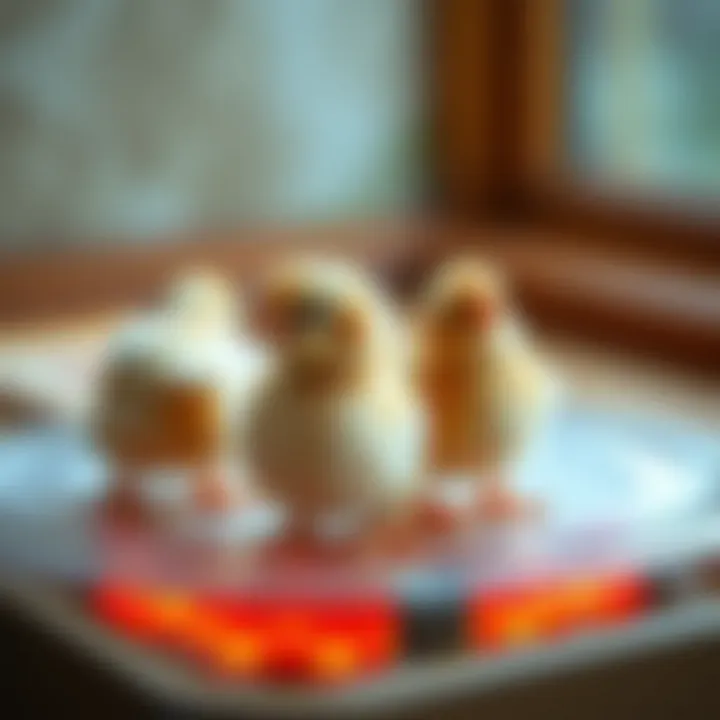
In the world of poultry care, ensuring that chicks are kept warm and comfortable is paramount for their growth and survival. The premier chick brooder heating plate emerges as a vital tool for those embarking on the rewarding journey of chick rearing. With its emphasis on mimicking the warmth provided by a mother hen, this product not only serves the basic function of heat but also encourages natural behaviors that are essential for a young chick's development. In this guide, we will explore the features that make this heating plate stand out, as well as practical tips that can enhance your experience in raising healthy chicks.
Design and Functionality
The design of the brooder heating plate is both innovative and user-centered. Unlike traditional heat sources, which can be a fire hazard and may not distribute heat evenly, the heating plate offers a more controlled environment. Here are its key attributes:
- Low profile design: This feature ensures that the chicks feel secure beneath it, similar to how they would feel sheltered by their mother.
- Energy efficiency: Many heating plates on the market use less electricity compared to incandescent bulbs, which can be a cost saver in the long run.
- Adjustable height settings: This function caters to the growth of chicks, allowing easy adjustments as they mature, ensuring optimal comfort at every stage.
"Investing in a quality heating plate can be the difference between thriving chicks and a struggling flock."
Benefits
The advantages of utilizing a premier heating plate go beyond just warmth. Here are some benefits worth noting:
- Encourages Natural Behaviors: Unlike heat lamps, the heating plate allows chicks to spread out and engage in natural pecking and social interactions.
- Reduced Stress Levels: The steady warmth provided helps to lower stress levels in young chicks, leading to healthier growth.
- Safety Considerations: With decreased fire risk, poultry keepers can sleep easier, knowing their chicks are in a safer environment.
Installation Guidelines
Setting up the heating plate requires a bit of thought, but it’s also straightforward. Follow these essential steps:
- Choose the right location: Place the plate in a draft-free area to maintain consistent heat levels.
- Adjust height properly: Make sure it’s at a distance that allows chicks to move comfortably in and out from beneath it.
- Secure it well: Make sure it’s stable and will not tip over, which could lead to accidents.
Practical Usage Tips
Using the heating plate effectively can make a world of difference. Here are a few nuts and bolts:
- Monitor temperature: Use a thermometer to ensure heat levels are appropriate.
- Observe chick behavior: If they huddle together too closely, they might be too cold; if they are far away, they may be too warm.
- Regular cleaning: Keep the area tidy to prevent any potential health issues from arising due to waste accumulation.
Ending
In summary, a well-chosen brooder heating plate can become an indispensable tool in the arsenal of any poultry enthusiast. Understanding its design, functionality, and best practices for use allows for effective care, leading to a higher success rate in breeding healthy chicks. By integrating this type of equipment into your brooding routine, you're contributing significantly to the overall welfare and well-being of your feathered friends.
Foreword to Brooding
Brooding is a critical phase in poultry farming, particularly when it comes to raising chicks. This initial period lays the foundation for a chick's growth, health, and productivity. The importance of understanding the brooding process cannot be overstated, as it directly impacts the overall success of poultry operations.
When you think about brooding, imagine a warm, safe haven where newly hatched chicks begin their life. This process typically spans the first few weeks of a chick's life, and it serves several essential functions, from providing nourishment to fostering a nurturing environment. To ensure a smooth transition from hatchery to brooder, one must consider various factors, including temperature regulation, lighting, and overall space—all crucial for healthy chick development.
Understanding the Brooding Process
The brooding process begins as soon as the chicks hatch. At this stage, they are particularly vulnerable and rely heavily on external heat sources to maintain their body temperature. Newly hatched chicks are not yet able to self-regulate their temperature, making it imperative to create a warm spot for them to gather. A brooding setup typically includes a heat source, bedding materials, and sufficient space for chicks to move around.
From the outset, it's crucial that the environment mimics nature as closely as possible. When mother hens brood their chicks, they provide warmth and protection, which is replicated in a brooder. Chickens are quite social animals, and they thrive in a group setting; thus, ensuring they remain together under the heat source can help reduce stress and promote healthy behaviors like pecking, scratching, and exploring their surroundings.
Importance of Heat in Chick Development
Heat plays a pivotal role in the development of chicks. The ideal temperature for newly hatched chicks, generally around 95°F (35°C), needs careful monitoring. Failing to provide proper heating can lead to severe consequences—chicks can suffer from both overheating and chilling. Overheated chicks may become lethargic and retreat from warmth, while chilled chicks can develop health issues, growing slow and weak.
A well-regulated temperature can enhance feed intake and boost immune function, vital for their growth. In contrast, a poorly managed thermal environment can lead to stress, which adversely affects their development. Thus, providing a consistent, appropriate heat source is paramount. One practical solution in today’s brooding practice is using high-quality heating plates, which deliver a more natural heat source that mimics the warmth of a mother hen.
"Proper heat management in brooding is not just about comfort—it's about survival. Heat is the lifeline for early-stage chicks and their development."
In summary, brooding is an indispensable art and science that directly influences a chick's early life. A solid understanding of the brooding process, along with the significance of a stable heating environment, sets the stage for a thriving poultry operation.
Overview of the Premier Chick Brooder Heating Plate


The Premier Chick Brooder Heating Plate is more than just a gadget; it's a crucial component in the successful nurturing of young chicks. As any seasoned poultry enthusiast can tell you, providing adequate warmth is fundamental to the growth and well-being of these delicate creatures. This heating plate is designed with the needs of both novice and experienced breeders in mind, ensuring that every chick receives the warmth necessary for healthy development.
In the bustling world of poultry farming, choosing the right heating source can feel overwhelming. Traditional methods like heat lamps have their advantages, but they come with drawbacks like high energy consumption and potential safety hazards. This is where the Premier Chick Brooder Heating Plate shines, offering a modern solution that addresses many of the concerns associated with older technologies. It brings energy efficiency to the table while presenting features that prioritize both safety and convenience.
Design and Build Quality
When considering a brooder heating plate, the design and build quality can tell you a lot about its performance and durability. The Premier heating plate boasts a sturdy frame made of high-quality materials that can withstand the rigors of poultry farming. Unlike flimsy alternatives, this product is designed to endure the hustle and bustle of a breeding operation.
The surface of the heating plate is smooth, allowing for easy cleaning, which is essential given the mess that little chicks can make. Its dimensions are typically tailored to accommodate various brood sizes, providing ample space for chicks to gather and warm up. Moreover, the plate is adjustable in height, giving it the flexibility to grow with your chicks and ensuring that they remain comfortable regardless of their age.
Key Features:
- Adjustability: Allows for height modification according to chick size.
- Sturdy Materials: Built to last, ensuring longevity and reliability.
- Easy to Clean: Smooth surface makes maintenance a breeze.
Heating Technology Explained
The heating technology behind the Premier Chick Brooder Heating Plate is both innovative and straightforward. Rather than radiating heat like a conventional lamp, this plate uses direct conduction to provide warmth from below. This method mimics the natural warmth of a mother hen, creating a more comfortable environment for the chicks.
The plate's heating elements are designed to distribute warmth evenly, preventing hot or cold spots that might lead to discomfort or health issues among the chicks. This feature is particularly important, as uneven heat distribution can often lead to stress and increased mortality rates in young birds. The result is a stable comfort zone that the chicks can choose to move into or out of as they please, promoting their natural behaviors and well-being.
While the Premier heating plate is efficient in its energy usage, it does not compromise on performance. It's crafted to reach optimum temperatures quickly, ensuring that the chicks are warmed up without delay. This aspect is vital, especially during those critical first few days after hatch when chicks are particularly vulnerable.
To sum it up:
The Premier Chick Brooder Heating Plate represents a significant advancement in brooding technology, striking a balance between innovation, safety, and practicality.
As we proceed into further sections, it will become clear how these elements play crucial roles in promoting effective and responsible poultry rearing.
Benefits of Using a Heating Plate
When it comes to brooding chicks, providing the right warmth is crucial. The choice of heating method can significantly impact chick development and overall health. A heating plate stands out as an effective solution, offering various benefits over traditional heat sources.
Energy Efficiency Compared to Traditional Heat Sources
One of the standout advantages of using a heating plate is its energy efficiency. Traditional methods like heat lamps consume a fair bit of power. In contrast, heating plates are designed to emit warmth directly to the chicks, which means they don’t waste energy heating the surrounding air. This focused heat not only saves on electricity bills but also reduces the environmental footprint.
- Lower Energy Consumption: The heating plate typically uses less wattage, streamlining electrical costs over time.
- Ambient Temperature Stability: Unlike heat lamps which can cause fluctuations, the heating plate maintains a stable temperature, creating a cozy environment for chicks.
- Longer Lifespan of Equipment: With reduced power load, you can expect the heating plate to have a longer operational life compared to traditional bulbs that may burn out quickly.
In essence, if you’re worried about hefty energy bills or the environmental impact of your brooding setup, a heating plate could be a game-changer.
Safety Features and Design Benefits
Safety is another significant factor when it comes to choosing the right heating option for your chicks. Heating plates come equipped with various safety features that ensure both the well-being of your chicks and peace of mind for the user.
- Reduced Fire Hazard: Unlike traditional heat lamps that can easily overheat, heating plates are designed to minimize the risk of fire, making them safer in brooding environments.
- Secure Setup: Many heating plates offer adjustable heights, allowing them to grow with your chicks. This feature helps maintain ideal warmth at every stage of their development, preventing overheating or drafts.
- User-Friendly Design: Most heating plates are lightweight and straightforward to install. This makes the setup process easier for poultry enthusiasts, no matter their skill level.
"The design of a heating plate not only accounts for the comfort of the chicks but prioritizes safety above all else."
With all these design strengths, the heating plate not only enhances the brooding experience but also fosters a nurturing environment where chicks can thrive. Investing in a heating plate can be a wise choice for both seasoned poultry breeders and newcomers looking to ensure their chicks' best start in life.
Installation and Setup
Proper installation and setup of the Premier Chick Brooder Heating Plate is crucial for ensuring optimal performance in brooding chicks. The setup process not only impacts immediate comfort and safety for the chicks but also enhances the overall effectiveness of the heating system. A well-installed heating plate can minimize fluctuations in temperature, ensuring that the chicks receive consistent warmth, which is vital for their growth and health. Proper installation also prolongs the lifespan of the equipment, allowing for more efficient energy use.
Step-by-Step Installation Guide
- Location Selection: Choose a suitable area in your brooder that is free from drafts and is spacious enough for the chicks to move around. Ideally, the location should allow for proper airflow while keeping the heat focused.
- Height Adjustment: Set the heating plate at an appropriate height above the floor. This height should accommodate the chicks' size. For newly hatched chicks, aim for about 2 to 4 inches above their backs. As the chicks grow, this height will need to be adjusted, so ensure the setup allows for easy modifications.
- Securing the Heating Plate: Ensure that the heating plate is securely fastened. Most units come with adjustable legs or brackets to keep the plate stable. It’s essential that it does not tip over easily, which could lead to unsafe conditions for the chicks.
- Plugging In: After setting everything up, plug in the heating plate. Check the connections to ensure they are firm and that the cord does not pose a tripping hazard.
- Initial Testing: Before introducing the chicks to their new environment, turn on the heating plate and monitor the temperature to ensure it reaches the desired level.
- Observation: After introducing the chicks, observe their behavior closely for the first few hours. If they huddle together closely, they may be too cold, while if they scatter away from the heat plate, it may be too hot. Adjustments might be necessary at this stage.


Ideal Brooding Conditions for Optimal Performance
Optimal brooding conditions are key to nurturing healthy chicks and can greatly affect their development. The following factors should be considered:
- Temperature Stability: Maintain a consistent temperature starting at around 95°F during the first week, decreasing it gradually each week. Stability is crucial; sudden temperature changes can stress the chicks.
- Humidity Control: Maintain humidity levels between 40% to 60% to prevent dehydration. Using a hygrometer can help monitor humidity effectively.
- Ventilation: While the chicks need warmth, proper ventilation is also necessary to provide fresh air and reduce ammonia build-up from droppings. This balance is essential to ensure that the chicks are thriving.
- Space Requirements: Each chick requires adequate space to move around freely. Overcrowding can lead to stress and aggression among chicks. A general guideline is to provide at least 0.5 square feet per chick in the brooder.
Setting up the heating plate properly and ensuring ideal brooding conditions creates a nurturing environment. This not only enhances the chicks' chances for healthy growth but also contributes to the effectiveness of your overall poultry management.
Using the Heating Plate Effectively
To maximize the benefits of the Premier Chick Brooder Heating Plate, understanding how to use it effectively is crucial. The right approach not only ensures the well-being of your chicks but also enhances their growth and development. Fostering a comfortable environment can make the difference between a flourishing brood and one that struggles.
Monitoring Temperature and Comfort Levels
One of the pivotal elements to observe when using the heating plate is maintaining proper temperature. Chicks have a specific range of heat they need, usually around 90 to 95 degrees Fahrenheit during the first week, gradually tapering down as they mature. Here are a few pointers for monitoring:
- Use a Reliable Thermometer: Invest in a quality thermometer to take accurate readings. Consider using digital thermometers for quick updates.
- Observe Chick Behavior: Chicks will give cues about comfort. If they huddle together under the plate, they may be cold. If they are spread out away from it, they might be too warm.
- Adjust Temperatures Gradually: If adjustments are needed, it’s wise to change temperatures slowly, avoiding drastic fluctuations that can stress the chicks.
This careful monitoring plays a central role in ensuring that chicks have access to the warmth they need for optimal health. Being attentive can help poultry owners preemptively address issues before they escalate, ensuring a nurturing environment.
Adjusting the Plate for Growing Chicks
As chicks grow, their requirements change. Thus, repositioning the heating plate is necessary to accommodate their increasing size and activity levels. Here's how to adjust the heating plate effectively:
- Height Adjustments: Ideally, the heating plate should be adjustable. As chicks mature, raise the plate to prevent them from crowding or bumping into it.
- Consider Space: Ensure that the area beneath the plate is spacious enough for all chicks to gather. A cramped space could lead to bullying behavior amongst them.
- Reassess as They Grow: Regularly check the setup. What works for one week may not for the next as chicks become more mobile and inquisitive. Keeping the plate properly adjusted correlates directly with their comfort and growth potential.
By integrating these practices into the daily care of chicks, owners can significantly enhance their health and well-being. The right adjustments and monitoring equip poultry enthusiasts with the tools to foster a thriving environment.
"A comfortable chick is a happy chick, and a happy chick grows into a robust bird."
Effective use of the heating plate isn’t merely about warmth; it’s about creating an environment conducive to growth and development. For more in-depth information on chick care, visit wikipedia.org and reddit.com for community support and insights.
Comparative Analysis with Other Heating Options
In the world of poultry management, selecting the right heating method is crucial for the well-being of chicks. The comparative analysis with other heating options lays the groundwork for understanding how the premier chick brooder heating plate stands out. It’s not only about keeping the chicks warm; it’s about doing so in a manner that is energy-efficient, safe, and conducive to their overall growth.
Comparing Heating Plates with Heat Lamps
When we look at heating solutions, heat lamps often come to mind. These traditional devices have long been the go-to for many poultry farmers due to their widespread availability and relatively low upfront cost. However, a few key differences set the brooder heating plate apart from heat lamps.
- Energy Efficiency:
Heat lamps can consume a significant amount of energy, especially if they are used consistently for long stretches. In contrast, heating plates are designed to operate more efficiently, reducing energy consumption and, ultimately, electricity bills. - Consistency of Heat Distribution:
With heat lamps, there's often variability in temperature. Some areas may be hotter than others, which can lead to chicks crowding in certain spots and avoiding others. Heating plates provide a consistent, gentle warmth that encompasses a wider area, allowing chicks to comfortably spread out beneath them. - Reduced Risk of Burns:
Unlike heat lamps, which can pose a burn risk due to high surface temperatures, heating plates are safer for young chicks. This advantage gives peace of mind to those new to brooding or those who've experienced issues in the past with lamps. - Behavioral Enhancements:
Chicks are naturally inclined to huddle under a heat source. With heating plates mimicking the natural heat they would receive from a mother hen, it encourages more natural behaviors, contributing to healthier development.
Evaluating Alternatives: Electric vs. Non-Electric
In considering heating options, the spectrum of electric and non-electric solutions emerges. Each has its own merits and potential drawbacks that need careful evaluation, especially in varying farm setups.
Electric Heating Solutions:
- Electric heating plates and lamps offer precise temperature control, allowing operators to maintain a stable environment, particularly in colder regions.
- However, reliance on electricity may not be ideal for all setups. Outages or high electricity costs can disrupt brooding conditions.
- For instance, a sudden blackout can lead to dangerous temperature drops, risking chick health.
Non-Electric Heating Options:
- Options such as heat pads or bedding materials like straw or wood shavings can be utilized, yet they often require more manual oversight. They may not provide the same level of warmth consistency found in electric solutions.
- While these alternatives could be more reliable in areas with frequent power interruptions, they generally lack the control and ease provided by electric devices.
In summary, evaluating the various heating options remains imperative for effective chick brooding. While heating plates offer advanced features compared to heat lamps and other electric heating methods, the choice ultimately hinges on individual circumstances, farm setup, and specific needs of the chicks.
"Choosing the right heating method can be the difference between a thriving flock and failed attempts. Knowledge about each option leads to better decisions."

For more insights and practical advice on poultry management, visit Poultry Farming Tips or peruse the latest studies on best practices in the field at Agricultural Research Service.
Always remember, prioritizing the comfort and safety of your chicks guarantees enhanced development and greater success in your breeding endeavors.
Common Issues and Troubleshooting
Understanding the common issues related to heating plates is crucial for maintaining optimal conditions for the chicks. The last thing any poultry farmer wants is equipment failure leading to compromised chick health. Recognizing and solving these issues can make a substantial difference in the well-being of your flock. Troubleshooting not only helps prevent potential hazards but also extends the life of your heating equipment. Here, we will delve into identifying heating problems and providing maintenance tips to ensure the longevity of your heating units.
Identifying Heating Problems
Spotting heating problems early can save a lot of headaches down the line. There are several signs you should be on the lookout for to ensure that your heating plate is doing its job properly. Here are a few indicators:
- Temperature Fluctuations: If the plate is not consistent in providing heat, it could lead to stressed or poorly growing chicks. Invest in a reliable thermometer to monitor the heat source regularly.
- Reduced Activity in Chicks: When the chicks appear lethargic or huddled together for warmth, this may indicate that the heating plate isn’t providing adequate warmth.
- No Heat Emission: If the heating plate is completely cold without any signs of warmth, there’s a good chance the unit has malfunctioned or the plug is not properly connected. Check all connections before assuming there is a breakdown.
- Unusual Noises: Any odd sounds coming from the plate may indicate a problem. While silent operation is typical, unusual clicks or buzzing could suggest that there’s an internal issue.
Taking the time to check on these specific signs will aid in ensuring the health and vitality of your chicks.
Maintenance Tips for Longevity
Maintaining your heating plate can indeed prolong its life and enhance performance. Here are some practical tips:
- Regular Cleaning: Dust and debris can build up on heating plates, obstructing heat distribution. Ensure to wipe down the surface regularly with a damp cloth – don’t be afraid to get into the nooks and crannies. A clean plate will run more efficiently.
- Inspect Electrical Connections: Regularly check the cords and plugs for any signs of wear and tear. Damaged wiring can be a fire hazard and impede the heating effects.
- Follow Manufacturer Guidelines: Adhering to the manufacturer's instructions for maintenance and use can prevent mishaps. If they suggest replacement of parts or regular checks at specific intervals, make it part of your schedule.
- Calibration Check: Occasionally, you should check if the heating plate is calibrated correctly, ensuring that it emits heat within the designated temperature ranges.
Taking proactive steps for maintenance allows for a more effective heating system that will serve your chicks well during their early vulnerable stages. With a little effort, you can prevent issues from becoming larger problems, ensuring the sustainability of your operations.
Remember, consistent care and troubleshooting measures not only impact your chicks' immediate health but also contribute to the overall success of your poultry business.
For more on poultry management, check out resources at Wikipedia and Britannica to expand your understanding of best practices for maintaining a healthy flock.
User Experiences and Testimonials
User experiences and testimonials play a crucial role in understanding the practical realities surrounding the use of the Premier Chick Brooder Heating Plate. These insights provide invaluable perspective, giving potential buyers an eye into how the heating plate functions in the real world. It's one thing to read about specifications, but witnessing actual results from fellow poultry enthusiasts can make or break a decision.
Real-World Applications in Poultry Farming
Many poultry farmers have started favoring the brooder heating plate over traditional methods like heat lamps. This shift comes from diverse experiences shared within the farming community. Farmers who manage rearing facilities express how the heating plate replicates a mother hen’s warmth more effectively. Imagine the comfort of chicks snuggling under a consistent and gentle heat source, mirroring their natural instincts. This setup reduces stress and promotes better growth rates.
In real world applications, the heating plate shines in several ways:
- Temperature Stability: Users frequently emphasize how the heating plate maintains a steady temperature. Unlike heat lamps, which can cause drastic fluctuations, the heating plate provides a more controlled environment to grow chicks.
- Increased Space: Chicks are known to be curious creatures. The plate allows them more freedom to roam without the risk of burns that come from traditional heat sources.
- Lower Energy Costs: First-hand accounts show savings on energy bills. The efficiency of the heating plate means it uses less electricity while still providing adequate warmth.
Feedback from Chick Breeders
Feedback from chick breeders brings forth a wealth of knowledge rooted in experience. Many have noted how the ease of use and setup of the Premier Chick Brooder Heating Plate can’t be overstated. Reports suggest that new users can start brooding right away without unnecessary hassles.
Breeders often mention several key points in their reviews:
- User-Friendly Design: The straightforward instructions and intuitive setup process are often praised. Even those who are not very tech-savvy can manage it.
- Positive Growth Outcomes: Numerous breeders have reported a more uniform growth rate among their chicks when using the heating plate. This consistency reduces the need for corrective measures in growth later on.
- Safety Concerns Addressed: Safety is paramount in any breeding environment. The reduced likelihood of fires and injuries when using the heating plate has been a significant influence on breeders’ decisions.
"We switched our entire operation to using heating plates. The chicks seem happier, and we rely less on manual adjustments. It’s been a game-changer for us!" – A satisfied brooder user
Finale
In wrapping up our detailed exploration of the Premier Chick Brooder Heating Plate, it's paramount to highlight the pivotal role that effective heating plays in the life of newly hatched chicks. As these young birds require warmth for growth and well-being, the choice of heating equipment can significantly influence their overall health and development. The Premier Heating Plate has been specifically designed to meet these needs, forging a path for enhanced chick care practices among poultry enthusiasts.
Summarizing Key Takeaways
- Critical Importance of Temperature Management: Consistent warmth is non-negotiable. The heating plate not only provides a stable temperature but also mimics a mother hen's natural heat, reducing stress for the chicks.
- Energy Efficiency: Compared to traditional heat lamps, the Premier Heating Plate operates with less energy, offering a sustainable option for poultry farmers.
- User-Friendly Design: Its intuitive setup allows for easy adjustment, catering to the growth stages of chicks. Adjusting the height as chicks grow reinforces comfort and aids in their development.
- Robust Safety Features: Built with safety in mind, this heating solution minimizes risks of fire hazards and overheating, which can be a concern in traditional brooding methods.
- Real-World Feedback: Testimonials from breeders show improved survival rates and healthier chicks, underscoring the practical benefits of using this method over others.
Final Thoughts on Choosing Heating Methods
When contemplating heating strategies for your flock, several factors come into play. The decision shouldn’t be taken lightly, as the welfare of your chicks depends on it. The Premier Chick Brooder Heating Plate stands out for several reasons:
- Adaptability: It effectively adapts to various brooding environments, whether in small backyard setups or larger commercial operations.
- Cost-Effective in the Long Run: While the initial purchase might seem like a hefty investment, the long-term savings on energy costs and enhanced chick growth make it worthwhile.
- Integration with Modern Practices: As poultry farming evolves, so should the methods employed. Utilizing cutting-edge heating solutions aligns your practices with community standards and expectations in animal husbandry.