Nylon Fence Netting: Essential Guide for Pet Safety


Intro
In the realm of pet ownership, ensuring the safety and containment of our furry companions is paramount. Nylon fence netting emerges as a reliable solution, providing both security and peace of mind. Particularly beneficial for pets that tend to wander off or those lively ones full of energy, this netting serves as an effective barrier against escape.
As pet owners, understanding the various aspects of nylon netting can significantly influence our decision-making when selecting the right containment solutions. From material properties that define strength and durability to practical installation techniques, each segment of this guide meticulously explores critical factors that contribute to a safer environment for pets.
Through a thorough examination of nylon fence netting, we aim to equip pet owners with the necessary insights to make informed choices. Whether you're contemplating its application or seeking maintenance tips, this guide has you covered. Let's delve into the intricacies of nylon fence netting for the benefit of our beloved pets.
Material Properties of Nylon Fence Netting
Before getting into the practical application and installation processes of nylon fence netting, it is crucial to understand its fundamental properties. Nylon, known for its impressive strength-to-weight ratio, offers significant advantages in terms of elasticity and tear resistance. This material is lightweight yet durable, making it perfect for outdoor use, especially in environments where animals tend to be active.
Moreover, nylon's resistance to UV rays prolongs its lifespan when exposed to sunlight, ensuring that it can withstand various weather conditions. The mesh design of the netting allows for visibility and ventilation, ensuring pets remain comfortable while contained. This aspect is particularly important for pet owners looking to create a comfortable outdoor space for their animal companions.
Key Advantages
- Strength: Nylon mesh can endure significant tension without falling apart.
- Lightweight: Easy to handle during installation and requires minimal support structure.
- Weather Resistant: Endures rain and sun exposure without deteriorating too quickly.
- Visibility: The transparent nature of the mesh helps maintain an open feel in your yard.
In short, the choice of nylon for fence netting aligns perfectly with the needs of pet owners aiming to maintain a safe and engaging outdoor setting.
Installation Methods
Applying nylon fence netting can be a straightforward task, especially with the right approach. Taking a step-by-step method ensures that the netting adequately secures your pets without compromising the aesthetic of your garden or yard. Here’s a basic outline of what the installation process might look like:
- Measure Your Space: Before you even think about purchasing the netting, accurate measurements of your yard or the area where the netting will go are crucial. This assures that you aren’t left with too much or too little material.
- Gather Your Tools: Common tools required for installation include stakes, zip ties or clamps for securing the netting, and a measuring tape. Having everything at hand simplifies the process.
- Prepare the Area: Clear any debris, sharp objects, or plants that could interfere with the netting. This preparation helps to avoid damage to both the net and the fencing structure.
- Install Anchors: If using stakes, ensure they are anchored securely into the ground. This provides foundational support for the netting.
- Attach the Netting: Begin at one end and unroll your netting, securing it as you go either with zip ties or clamps to the stakes. Make sure the netting remains taut to prevent sagging.
- Trim Excess: After installation, any extra netting can be neatly trimmed away to maintain a tidy appearance.
By following these straightforward steps, pet owners can create a safe play area that is visually appealing and functional.
Remember: Consistently check for any signs of wear and tear in the netting to ensure your installation remains effective long-term.
Maintenance Tips
After installation, it's essential to keep an eye on your nylon fence netting to ensure it provides reliable protection over time. Regular maintenance not only extends the lifespan of the netting but also fortifies the safety barrier it offers to your pets.
- Inspect Regularly: Make it a habit to check the netting at least once a month for any holes, tears, or areas that might need reinforcement.
- Clean Occasionally: Degrading elements such as dirt or moss can weaken the netting. A simple wash with mild soap and water can help maintain its integrity and appearance.
- Adjust Tension: Over time, netting can sag. Tightening the fixtures may be necessary to ensure it remains effective.
By keeping these maintenance practices in mind, pet owners can ensure their nylon fence netting continues to serve its purpose effectively, giving both them and their furry friends peace of mind.
As a final note, nylon fence netting integration embodies a blend of practicality and safety that every pet owner should consider. By understanding its properties, installation methods, and maintenance practices, pet owners can elevate their outdoor environments while ensuring their pets remain safe and happy.
Understanding Nylon Fence Netting
Understanding nylon fence netting is crucial for any pet owner seeking an effective solution to ensure their animal's safety and containment. In this section, we will dissect the material's characteristics and advantages as well as its practical utility. Gaining insight into nylon fence netting empowers pet owners to make informed decisions that prioritize their furry friends' well-being while considering long-term solutions for outdoor spaces.
What is Nylon Fence Netting?
Nylon fence netting is essentially a resilient, woven fabric designed specifically for confining pets and providing them with a secure play area. Unlike traditional fencing, which can be bulky and visually obstructive, nylon netting offers a lightweight and more adaptable alternative. It’s commonly used in both residential and agricultural settings to keep pets enclosed, while also permitting visibility. One of its appealing attributes is its ability to blend effortlessly into various environments, making it a favored choice for pet owners who prefer discretion without compromising safety.
Composition and Durability
This netting is primarily composed of high-quality nylon fibers, which are known for their strength and ability to endure wear and tear. The manufacturing process involves weaving these fibers in a grid-like pattern, creating a formidable barrier against playful paws or curious snouts.
- Strength: Nylon’s inherent elasticity gives the net excellent tension and flexibility.
- Weather Resistance: It can withstand diverse weather conditions, from scorching sun to heavy rainfall, reducing the risk of deterioration.
- Low Maintenance: Pets cannot chew through nylon as easily as other materials, meaning you won't find yourself constantly replacing sections.
Despite being lightweight, nylon is remarkably tough, which is a significant factor for energetic pets that may be prone to jumping or climbing. Its durability makes it a long-lasting investment for pet safety.
Types of Nylon Netting
When it comes to nylon netting, there’s no one-size-fits-all solution. Various types cater to different needs and applications. Here are a few noteworthy options:
- Standard Nylon Netting: Generally used for simple pet containment. Suitable for small to medium-sized animals, offering a safe environment for them to roam freely.
- Heavy-Duty Nylon Netting: This variant is intended for larger or more energetic pets. It features thicker threads and tighter weavings, providing an extra layer of safety.
- UV-Resistant Nylon Netting: For those living in sunny regions, this version has UV stabilizers embedded within the fibers to prevent degradation from sun exposure, ensuring longevity.
- Customizable Nylon Netting: Some manufacturers offer tailored solutions to fit specific yards or designs, giving owners the chance to adapt netting based on their unique space requirements.
Benefits of Nylon Fence Netting
Nylon fence netting has upped the game when it comes to keeping pets safe and secure in designated areas. Just think about it: a sturdy yet flexible barrier that allows sunlight and visibility while keeping your furry friends contained. Let’s delve into why this type of netting is becoming a go-to solution for pet owners everywhere.
Safety for Pets
First and foremost, let’s talk about safety. Cats, dogs, and even rabbits have a knack for getting curious, sometimes to a fault. Nylon fence netting is designed to provide a protective enclosure that keeps your pets secure while they enjoy the great outdoors. Unlike traditional fences that may have sharp edges, nylon is soft on paws and noses, minimizing any chance of injury.
Moreover, a quality nylon fence creates a visual barrier that helps prevent pets from running away or getting into dangerous situations. You won't find a more livable safeguard for your prized companions.
A Word to the Wise
“The best fence is one that keeps the pets in, but doesn’t confine their spirit.”
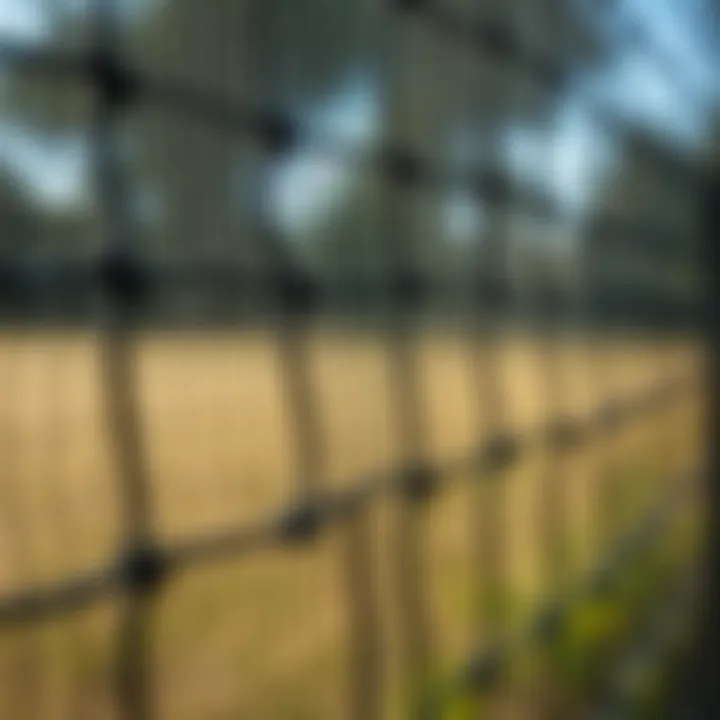
This is why ensuring the height and strength of the netting matters. For larger dogs especially, a well-constructed nylon fence can deter attempts to escape without feeling oppressive to your pets.
Versatility in Use
Nylon fence netting isn’t just about keeping pets safe—it’s about versatility, too. Need a makeshift barrier at a picnic? Or perhaps an enclosure for your garden? This netting can adapt to various needs easily. Here are a few examples of its versatility:
- Pet containment: Whether it's a small yard or an open space, nylon netting can be tailored to fit almost any area.
- Garden protection: Its strong structure can prevent pets from trampling over delicate plants or digging up bulbs.
- Sports and recreation: Got kids? This netting comes in handy for temporary play areas.
Nylon's lightweight nature means it can be transported without hassle, making it easily deployable wherever the occasion arises. It meets the dual need of functionality and safety, which is hard to beat!
Weather Resistance
Let's not forget about the elements. Nylon, by its nature, withstands the test of time. This weather resistance is a boon for pet owners, as it can stand up to rain, wind, and bright sunlight without deteriorating. Unlike wood or metal fences that may rust or mold, nylon remains robust under varying conditions.
Maintenance-Free Joy
You also won't have to bend over backwards maintaining it every season. Occasional cleaning with soap and water will keep your setup looking spick and span. This durability gives you peace of mind so you can focus more on your pets rather than on constant repairs.
If you're looking for a long-term solution that keeps your pets safe, adapts to your lifestyle, and withstands whatever nature throws its way, then nylon fence netting is a very logical choice.
Installation Process
The installation process of nylon fence netting is a key component for any pet owner looking to ensure the safety of their furry friends. This section lays out the step-by-step necessities involved in properly setting up your nylon netting, focusing on critical elements that can enhance the overall effectiveness of the installation. From preparing the area to avoiding common pitfalls, it’s all about creating a secure environment for pets without breaking the bank or exhausting your energy.
Preparing the Area
Before the netting even rolls out, there’s a bit of groundwork to be done. Clear the area where the fence will be situated; make sure it’s free of any rocks, branches, or other debris that might interfere with installation. Not only is this step essential for an effective setup but also helps in preventing wear and tear on the netting down the line.
- Take a good look at the layout. Consider the dimensions of your pets and any spots they like to escape from.
- Mark the boundaries using stakes or spray paint so you know exactly where the netting will go.
Taking just these initial steps can save you a headache later. Remember that a well-prepared site leads to a smoother installation process, providing long-lasting results.
Tools Required
Gathering the right tools before you jump into the installation is paramount. You don't want to be halfway through, only to realize you’ve forgotten that crucial item. Here are some tools you should have on hand:
- Tape measure: To ensure accurate dimensions.
- Post holes digger: This will be key for planting support stakes securely.
- Hammer or mallet: For securing the stakes into the ground.
- Heavy-duty scissors or utility knife: To cut the netting to size.
- Optional: Zip ties or cable ties can also be handy for attaching the netting to the framework.
Having these tools ready can prevent delays and help the job go more smoothly.
Step-by-Step Guide
Installing nylon fence netting is straightforward if you follow a systematic approach:
- Measure the Area: Use your tape measure to get the exact dimensions where the netting will be placed and add a little extra for adjustments.
- Dig Post Holes: Space your holes according to the netting dimensions, generally about 6-8 feet apart.
- Install Support Stakes: Place your stakes into the holes worked before. Ensure they’re firmly in place.
- Unroll the Netting: Carefully roll out your nylon netting along the length of the posts. Make sure it’s free of snags.
- Attach the Netting: Use zip ties or rope to secure the netting to the stakes. Check for tension; it should be taut yet flexible to withstand any outdoor elements.
- Trim Excess: Once secure, use your scissors to cut away extra netting if necessary.
Following these steps can make the difference between an effective fence and a poorly installed one. It's all about precision and care.
Common Installation Mistakes to Avoid
Even seasoned DIY'ers can run into traps during the installation. Here are some pesky pitfalls to keep in mind:
- Forgetting to Level the Ground: Even slight slopes can lead to uneven tension on the netting, making it less effective.
- Wrong Measurements: Always double-check your tape measure. It’s better to measure twice than to buy extra netting unnecessarily.
- Skipping Secure Fastenings: A loose netting can lead to escapes. Make sure you fastened everything tightly.
- Neglecting Maintenance Access: Leave space to access your fence easily for inspections and repairs later.
By avoiding these mistakes, you’ll have a robust and effective nylon fence that ensures the safety and happiness of your pets.
"Preparation is the key to success. Without it, you might just find yourself in a bit of a pickle."
Taking time for preparation during the installation process can save you a world of trouble in the future. Making little efforts now can culminate in big benefits for both you and your pets!
Maintenance and Care
When it comes to nylon fence netting, maintenance and care aren't just practical; they're crucial for ensuring the longevity and effectiveness of this barrier. Proper upkeep can substantially extend its life, safeguarding your pets while also keeping your outdoor areas looking sharp. Regular attention to the netting minimizes the risks of wear and tear, making it an essential part of pet ownership. So, let's dig into this varied territory of care that every responsible pet owner should consider.
Regular Inspections
One of the best ways to maintain nylon fence netting is through regular inspections. This might seem simple, but it's a game changer. Aim to inspect your netting at least once a month or after severe weather events, like heavy rains or strong winds. As the saying goes, "a stitch in time saves nine," and catching small issues early on can save you from larger headaches down the road.
When inspecting, look for:
- Tears and Holes: Even small tears can pose a risk, allowing pets to escape or hazards to enter.
- Weak Spots: Areas that feel thin or compromised should be addressed immediately.
- Anchoring Points: Check that the netting is secure at posts or fences, as unstable anchoring can lead to sagging or even complete failure.
If you notice any issues, don't procrastinate on repairs. Keeping everything in tip-top shape ensures your pets remain safe and secure within their designated play area.
Cleaning Procedures
Keeping your nylon fence netting clean is just as important. Over time, debris like leaves, dirt, and dust can accumulate, compromising its integrity and appearance. To give your netting a thorough cleaning:
- Gather Supplies: Use a soft brush, a sponge, mild soap, and water. Avoid harsh chemicals as they can degrade the material.
- Brush Off Debris: Start by using the brush to remove any loose dirt or debris. This step prevents buildup that can lead to structural damage.
- Wash Gently: Mix soap with water and use the sponge to wipe down the netting. A gentle approach is key here. You want to clean without stretching or tearing the netting.
- Rinse and Dry: Thoroughly rinse the area with water and let it air dry completely. This prevents any moisture retention, which could lead to mold or mildew.
Tip: Setting a seasonal cleaning schedule can help keep the netting looking new and functioning properly throughout the year.
Storage Tips
If you ever need to take down your nylon fence netting—perhaps for seasonal changes or repairs—how you store it can make all the difference. Here are a few helpful storage tips to keep it in pristine condition:
- Clean Before Storing: Always ensure that your netting is clean and dry before storing it away. This prevents any musty smells or growth of mold.
- Use Proper Containers: Opt for breathable storage options like fabric bags or bins with ventilation. Avoid airtight containers as moisture trapped inside can lead to degradation.
- Find a Cool, Dry Spot: Store your netting in a cool, dry place away from direct sunlight to prevent UV damage.
- Keep It Folded Neatly: If you fold your netting for storage, do so carefully. Avoid sharp creases that could weaken the material over time.
By following these maintenance and care strategies, pet owners can ensure that their nylon fence netting remains an effective guardian for their beloved pets. It's not just about setting up the fence; it's about guaranteeing that it continues to do its job in the long run.
Cost Considerations
When investing in nylon fence netting for your pets, understanding the associated costs can be revelatory. It's not just about the initial price tag; it's about evaluating long-term value against potential risks and future expenses. Budgeting wisely can lead to significant cost-saving in maintenance, replacement, and even health-related expenses for your pets.
Initial Investment
The initial investment for nylon fence netting can vary widely. Prices generally fluctuate based on factors like the type of netting, dimensions, and quality. On average, per linear foot, nylon netting can cost anywhere from $0.50 to $2.00, depending on the thickness and design. If you have a larger area to cover, this can add up quickly.
- Consider what you're actually purchasing:
- High-quality netting often comes with a longer lifespan, meaning you'll save money in the long run by not needing replacements.
- Cheap netting might look appealing initially but be prepared to replace it sooner, resulting in higher costs over time.
Moreover, if you opt for professional installation, this can swell costs. Installation fees can range from $300 to $800 for average residential spaces, depending on your area and the complexity of the setup. Weighing these factors is crucial:
- DIY Installation: If you're handy, it can be a rewarding option to save on labor costs.
- Professional Help: If you're uncomfortable doing it yourself or want a perfect fit, consider hiring a professional.
Comparative Cost Analysis
A comparative cost analysis will prove beneficial in understanding where nylon fence netting stands relative to other fencing options. Here’s a quick breakdown:
- Wood Fence
- Chain Link Fence
- Electric Fencing
- Nylon Fence Netting
- Initial cost is higher, commonly between $15-$50 per linear foot, but they offer aesthetic appeal and durability. However, they require upkeep, like painting or staining.
- This option comes in at about $10-$20 per linear foot. While durable and functional, it doesn’t offer the same level of pet security or safety as nylon netting.
- Costs can vary widely from $1-$3 per linear foot initially, but remember the ongoing expenses of power supply and maintenance.
- In contrast, nylon offers an affordable way to secure a space for pets while prioritizing visibility and safety.
Considering these different installations can lead you to see that nylon netting often provides the best balance of cost vs. long-term benefits.
In Summary: Analyzing initial investments alongside ongoing costs will enable you to make astute decisions concerning pet safety and budget. If you're savvy with numbers and options, your pets can enjoy a safe haven without breaking the bank.
"Investing in the right materials often saves you more than just money; it saves your pets from potential harm."
For a deeper dive into fencing options, you can check resources such as Encyclopedia Britannica, or pet-related forums on Reddit.
Evaluating cost should not only be about immediate financial impact but also involve considering the longevity and safety it brings to your beloved animals.
Environmental Impact
When considering nylon fence netting, it becomes crucial to assess its environmental impact. This topic is not just a buzzword in today's world; it informs pet owners about how their choices affect the planet. Many people opt for solutions that not only protect their pets but also minimize ecological harm. Hence, understanding the implications of using nylon materials is paramount.
One of the first aspects to evaluate is the sustainability of materials used in manufacturing nylon netting. Nylon is a synthetic fiber, produced primarily from petrochemicals. This raises concerns about fossil fuel dependency and the carbon footprint linked to its production. However, advancements in technology are enabling manufacturers to explore more sustainable manufacturing processes. Companies are increasingly investing in bio-based nylons, which utilize renewable plant materials, thereby reducing emissions and environmental degradation. Moreover, manufacturers are focusing on using recycled nylon sourced from discarded fishing nets or other plastic waste. This not only diverts waste from landfills but also contributes to conserving resources.
"Sustainability is not just a choice; it’s a necessity in our evolving world."
Furthermore, understanding recycling options for nylon fence netting plays a vital role in mitigating its environmental impact. Unlike some materials that merely contribute to the overflowing landfills, nylon can be recycled. Many manufacturers now offer take-back programs, allowing consumers to return old or damaged products for recycling. This process helps transform used netting into new nylon products, thus extending the lifecycle of the material.
Here are some key recycling practices:
- Collection Initiatives: Pet owners can participate in community recycling events aimed at collecting nylon products.
- Local Drop-off Centers: Many municipalities now accept nylon netting at specific recycling centers.
- Manufacturer Programs: Some manufacturers provide mailing options for consumers to send back their nylon netting.
For more information on sustainability and recycling practices, check sites like Wikipedia and Environmental Protection Agency.
Applications Beyond Pets
Nylon fence netting isn't just a boon for pet owners; its uses stretch far beyond keeping Fluffy or Fido secure in your yard. This section explores the multifaceted applications of nylon netting in both agriculture and sports, highlighting how its properties can serve diverse needs and environments.
Uses in Agriculture
In the agricultural realm, nylon netting offers a versatile solution for various challenges faced by farmers and gardeners alike. With its robust design, this material not only protects crops from animals but also acts as a barrier against pests, extreme weather, and sun exposure.
- Animal Protection: Farmers often battle with wildlife eager to munch on their crops. Nylon fence netting serves as a practical deterrent, helping to keep rabbits, deer, and even birds at bay. By creating a physical barrier, it allows crops to grow undisturbed.
- Pest Control: This netting is particularly effective at preventing insects from infesting plants. A tightly woven net can keep harmful insects away while allowing air circulation and sunlight to reach the crops.
- Support Structures: Beyond mere protection, nylon netting can be used to support climbing plants. Trellising with netting provides a framework for vines and other climbing crops, promoting healthy growth and maximizing space utilization within a garden or farm.
- Soil Erosion Prevention: In areas prone to soil erosion, nylon netting can be laid down to help stabilize the soil, particularly on slopes or areas with loose earth. This use underscores its versatility as a protective measure in various agricultural settings.
Applications in Sports
Nylon fence netting isn't only practical for agricultural settings; it also finds its home in the realm of sports. Its unique properties cater to a wide array of athletic activities, offering both functionality and safety.
- Enclosure for Sports Fields: One of the most common applications is within sports fields, especially for baseball or softball. The netting confines the play area, ensuring that balls do not stray too far, which minimizes interruptions and enhances player focus.
- Safety Nets: High-traffic areas of sports complexes often require safety nets. Nylon fence netting can be installed around areas such as tennis courts or swimming pools to secure these spaces against accidental injuries, providing a safeguard for both players and spectators.
- Training Aids: Athletes use nylon netting as training equipment as well. For instance, soccer goal nets are commonly made from nylon; this material's durability withstands intense usage and weather conditions while maintaining its structural integrity.
"Using nylon netting in athletics creates an environment that fosters both safe practice and effective performance."
- Event Barriers: During major sporting events, nylon netting helps establish boundaries, directing crowds and preventing unauthorized access to the playing field or court. This application underscores the netting's important role in organizing events and ensuring overall security.
The diverse applications of nylon fence netting in agriculture and sports underscore its importance beyond pet containment. Whether it's safeguarding crops from wildlife or providing safety in sports arenas, the benefits and functionalities of nylon netting make it an invaluable resource in various sectors.
Choosing the Right Nylon Netting
Selecting the appropriate nylon fence netting is crucial for the overall safety and containment of your pets. With varied options available, making the right choice can feel like searching for a needle in a haystack. This section aims to unravel significant elements that will guide pet owners in making an informed decision, ensuring durability, functionality, and style does not compromise safety.
Factors to Consider
When diving into the sea of nylon netting, several considerations must come into play.
- Mesh Size: The size of the mesh is fundamental. Smaller openings might seem ideal for keeping tiny pets contained, but too small can restrict air flow or visibility. It's important to find a balance that keeps pets safely inside while allowing for ventilation and visibility.
- Weight and Thickness: Heavier and thicker netting can generally withstand harsher elements and the antics of more playful pets, providing longer service without sagging or tearing. Look for netting with a weight rating that suits your specific climate conditions.
- UV Resistance: If you’re living in an area where the sun shines brighter than a lighthouse, look for nylon netting specially treated to resist UV rays. Without this, your investment can quickly fade and lose integrity.
- Color Options: While functional aspects are vital, aesthetics shouldn't be ignored. Choose a color that complements your property; after all, it’s not just a barrier but part of your landscape.
- Ease of Installation: Not all nettings are crafted with the same simplicity. Opt for netting that’s straightforward to install, reducing time and frustration.
Tip: Before finalizing a purchase, consider requesting samples. This practical step can help gauge the quality and suitability of the netting in your specific environment.
Product Recommendations
As for products, the market is brimming with choices. Here’s a rundown of well-regarded nylon fence netting products that have gained the trust of pet owners across the country:
- PetSafe Pawsitively Tough Fence Netting: This option is known for its impressive durability and resilience against weather elements. Its heavy-duty weave makes it suitable for active pets.
- Nylon Garden Fence Netting by Gardeners Supply Company: An excellent multifunctional option for not only pet owners but also gardeners looking to protect their plants. Easy to set up and UV resistant.
- Xspec Heavy Duty Nylon Netting: This robust choice is particularly favored for larger breeds and offers additional protection against breakouts. It comes in various sizes, catering to diverse pet needs.
- VIVOSUN Heavy-duty Safety Netting: Primarily used in gardens, it also provides a solid barrier for keeping small animals in check. Thoughtfully designed for easy installation and removal.
When selecting netting, reviewing experiences and feedback from fellow owners can lead to valuable insights. Often, firsthand accounts reveal unpackaged details that could be pivotal in your choice. For deeper insights, consider browsing pet-related forums on platforms like Reddit's r/pets or checking out discussions on Facebook Groups.
"Investing in the right nylon netting can save you from future headaches. The right choice is not only about keeping your pets safe, but it also is about smart spending and long-lasting results."
Ensuring that the nylon fencing netting you choose aligns with your specific needs can lead to a more comfortable environment for both you and your pets. Armed with this knowledge, you're ready to make a decision that resonates with your lifestyle.
Case Studies and Experiences
Examining case studies and personal experiences regarding nylon fence netting provides invaluable insights for pet owners. These real-life examples illustrate the practical applications of this versatile material, demonstrating how it has affected the lives of both pets and their owners. Every story brings a unique flavor, revealing the challenges and successes that come with incorporating nylon netting in various settings.
Real-Life Success Stories
Consider the story of a golden retriever named Max, who managed to escape his old wooden fence through a gap that had developed over time. His owner, Linda, decided to replace the fence with nylon netting after hearing a slew of success stories from fellow dog owners. The installation was straightforward—she had a handy neighbor lend a hand, and in less than a weekend, the backyard was securely enclosed. Max now plays freely, while Linda enjoys the peace of mind that comes from knowing he can’t wander off into the street.
Another fascinating case features a cat named Whiskers. Her owner, Tom, faced challenges keeping her indoors, as she was quite the escape artist. After unsuccessfully trying more traditional barriers, he opted for nylon fence netting installed around his balcony. This move transformed his space into a secure haven for Whiskers. Now, she spends her afternoons sunbathing on the balcony, safe and sound.
These stories highlight the effectiveness of nylon netting in keeping pets secure and providing pet owners with relief and assurance. Investing in such solutions can lead to significant enhancements in the lives of both pets and their humans.
Lessons Learned
Each case study offers lessons that can guide future improvements and installations. First, one common piece of advice from these stories is to pay close attention to measurements prior to purchasing netting. Underestimating the required material may lead to gaps, which could negate its intended purpose. In Linda's case, the meticulous measurement ensured a snug fit that stood the test of time.
Second, durability proves to be a recurring theme. Many owners emphasize the necessity of selecting high-quality netting made from robust materials. Using subpar nylon may save costs initially but can lead to premature wear and tear, complicating the owner’s setup down the line. Tom learned this the hard way; after a year, he opted for thicker netting when he noticed wear in the original installation, ensuring Whiskers remained safe.
Additionally, the stories often highlight the importance of combining netting with regular checks. Just like with fences, owners should regularly inspect for wear, especially after extreme weather or heavy use. Taking these steps can help prevent minor issues from turning into major safety hazards.
"Hearing about real experiences gives us a broader perspective; it’s not just about installing nylon netting, it's about how it changes our lives with our pets."
For further assistance in selecting and installing nylon fence netting, consider browsing resources such as Wikipedia or informative forums on Reddit. They are treasure troves of user-generated content and insights.
Future Trends in Nylon Netting
As we delve into the future of nylon fence netting, it becomes apparent that this area is not standing still. Innovators, manufacturers, and researchers are constantly exploring ways to improve this essential material for pet safety. What's important to note here is that these trends signal enhanced functionality, better user experience, and sustainability—which are all crucial for pet owners. Keeping an eye on these developments helps owners make informed decisions in choosing the best options for their furry companions.
Innovations in Material Science
Material science has long been the backbone of advancements in nylon fence netting technology. Currently, there's a strong emphasis on developing lighter yet stronger types of nylon that can withstand extreme weather conditions without succumbing to wear and tear. This leads to a longer lifespan for the netting, saving owners both time and money in replacement costs.
One notable innovation is the incorporation of UV stabilizers in the nylon production process. These additives enhance the netting's durability under prolonged sun exposure, protecting pets while ensuring the fence remains intact. Moreover, researchers are looking into bio-based nylon, made from renewable resources, that could greatly reduce the carbon footprint associated with traditional nylon manufacturing.
In addition, enhanced flexibility is being integrated into new products, making it easier for pet owners to install and adjust the netting as needed. This type of adaptability could be a game changer for owners who want to create a safe environment for pets without a lot of stress during the setup. Integrating these new materials into every day fencing solutions drives home a promise: better safety options for pets that don’t break the bank.
Potential Market Developments
The market dynamics around nylon fence netting are expected to shift significantly in the coming years. With increasing awareness of pet safety and ecological concerns, manufacturers are likely to ramp up their production of eco-friendly options that appeal to caring pet owners.
We can anticipate a rise in local production as well. This could lead to shorter supply chains, which not only lowers the overall cost but also enhances the product availability. Home improvement retailers may start to stock a wider range of nylon fence netting products, catering more to niche markets such as vintage homes needing custom sizes and styles.
Furthermore, technological advancements in online sales enable pet owners to easily compare products and read reviews, allowing them to make informed purchasing decisions. That means consumers will have more power and greater access to premium options tailored for their specific needs.
In summary, staying informed about these trends can greatly assist pet owners in selecting the right nylon fence netting. Kiiling two birds with one stone makes perfect sense here, offering pet safety while aligning with sustainable practices. As the nylon netting landscape evolves, those who keep a close watch will not only protect their pets more effectively but also contribute positively to a larger environmental narrative.