Natural Perches for Budgies: Enhancing Their Habitat
Intro
When it comes to creating an ideal living space for budgerigars, often called budgies, the focus tends to be on diet and toys. However, the significance of natural perches can hardly be overstated. These essential fixtures offer more than just a spot to sit; they play a pivotal role in the physical and mental health of these spirited birds. By incorporating natural perches into their habitats, pet owners can enhance these creatures' well-being while also mimicking their natural environment.
Natural perches promote various benefits, such as improved foot health, increased mental stimulation, and the overall enrichment of a bird's habitat. This guide explores the facets of natural perches, detailing their advantages and offering practical advice on sourcing, sanitizing, and arranging them for optimal results. While some might view this as mere decoration, the significance of these elements touches the core of effective bird care.
The Role of Natural Perches
Understanding the importance of natural perches is akin to grasping the essence of a budgie's existence. In the wild, these avian companions perch on branches of varying thickness and texture, which helps them maintain healthy feet and strong muscles. Without this experience in captivity, budgies could face foot problems such as bumblefoot, a painful ailment caused by a lack of appropriate perching surfaces.
In addition to physical health, having different perches fosters mental engagement. Birds are inquisitive by nature, and natural perches can provide them with the variety they crave, as each perch may have unique textures and shapes. This creates an inviting and stimulating environment, reducing anxiety and boredom.
Types of Natural Perches
1. Branch Perches
- Material: Opt for safe woods like maple, birch, or apple. Avoid cedar and pine as they contain harmful oils.
- Variability: Choose branches of various thicknesses to promote foot health. A thicker perch mimics larger branches, while thinner ones allow for better grip exercise.
2. Roosting Perches
- Design: These can be thicker, flat perches or those with differing widths, providing a space to rest comfortably.
- Location: Place them in quiet areas away from dominant climbing toys to provide a sense of security while they rest.
3. Grapevine Perches
- Shape: Twisted forms that cater well to a budgie’s playful instincts.
- Benefits: Offers a unique surface that reduces foot fatigue due to its irregular shape and texture.
4. Sisal Rope Perches
- Engagement: These allow for climbing and scratching. Budgies often enjoy chewing on the fibrous material.
- Installation: Rope perches can be hung at various heights, providing opportunities for vertical movement.
5. Bamboo Perches
- Sustainability: Made from a naturally occurring resource, providing varied thickness and resilience.
- Accessibility: Lightweight and easy to install, allowing for quick changes in setup.
Finding the right natural perch can feel like searching for a needle in a haystack, but the effort pays off when you see your budgie thriving. It's not just about what looks good in the cage; it's about what promotes a healthy lifestyle for these pets.
Benefits of Natural Perches
- Health Improvement: Promotes foot health and prevents injuries.
- Mental Stimulation: Encourages exercise and exploration.
- Natural Behavior Simulation: Mimics the settings they would encounter in the wild.
- Aesthetic Appeal: Adds to the visual aspect of the birdcage, making it a more inviting space.
To conclude, embracing the use of natural perches in your budgie's habitat can create a world of difference. They are not mere accessories but integral components of a healthy and engaging environment. In the next section, we will discuss how to properly select, source, and maintain these invaluable additions.
Understanding Budgies and Their Needs
Creating a harmonious living environment for budgies isn't just about feeding them seeds or giving them a bath. It involves understanding their specific needs and behaviors, which can vastly improve their overall well-being. In this article, you will discover how important it is to recognize what makes budgies tick. By providing suitable perches, owners can create a habitat that goes beyond mere survival—encouraging health, happiness, and fulfillment.
Behavioural Characteristics of Budgerigars
Budgerigars, often affectionately known as budgies, are remarkable little beings with personalities as vibrant as their plumage. These birds are naturally social, and in the wild, they live in flocks. Social interactions are vital for their happiness and cognitive health. In a cage setting, they thrive on companionship, whether it be from another budgie or regular engagement with their human caregivers.
Understanding their subtle body language is key. For instance, when a budgie fluffs up its feathers, it's usually feeling comfortable and relaxed. On the other hand, a bird that puffs up and exhibits rapid movements might be anxious or fearful. Another behavioral trait to note is their playful nature; they love to gnaw on objects and explore their space. Providing them with varying perch types encourages play and exercise, crucial elements for their physical and mental well-being.
Importance of Perches for Physical and Psychological Health
Many budgie owners might not realize that the type of perches available in their birds’ cages play a significant role in their health. Natural perches made from unforged wood, such as manzanita or willow, can mimic the branches that budgies would encounter in the wild. Scientists and avian experts agree that these perches not only provide a comfortable resting place but also engage their feet in a natural and healthy way.
Research suggests that going beyond basic round dowels can offer variety in diameter and texture, which keeps their feet active and stimulates perching behaviors. Additionally, using different heights and positions for perches within the cage can create more dynamic environments, allowing budgies to exercise their wings as they fly between them.
"A bird in a cage is not a bird at all; it is merely a shadow of what they were meant to be."
Beyond the physical advantages, the psychological effects are just as notable. When budgies have access to natural perches, they engage in more natural behaviors, reducing stress and boredom. Owners who witness an increase in their budgies' exploratory instincts and social interactions may notice a remarkable change in their birds’ demeanor and activity levels.
Types of Natural Perches
Understanding the types of natural perches available for budgies is crucial, as these structures contribute immensely to their physical and psychological health. Choosing appropriate perches can create an enriched environment that fosters natural behaviors and helps to maintain the well-being of these lively birds. In this section, we’ll delve into specific types of natural perches that not only offer comfort but also an opportunity for activity and stimulation within their habitat.
Branches from Native Trees
Using branches from native trees is a fantastic way to provide natural perches for budgies. These branches vary in texture, diameter, and stability, which offers a comfortable surface for the birds while allowing them to exercise their claws. Lightweight yet sturdy branches—like those found from maples or willows—encourage climbing and exploring, mimicking their natural behaviors in the wild. Additionally, branches from these trees expose budgies to fragrances and out there environmental factors, enhancing their sensory experiences.
Handling these branches requires care: ensure they are free from pesticides or any chemicals that might harm your budgie. It’s essential to clean them thoroughly before introducing them to your pet's habitat. The unique structure of branches adds charm to the aviary, creating an inviting space for your feathered friends.
Ledge and Rope Perches
Ledge and rope perches offer diversity in texture and height, which is beneficial in creating an engaging environment for budgies. A ledge perch, typically made from natural wood, provides a solid area for rest and feeding. The flat surface allows budgies to have a stable spot for munching on treats or surveying their kingdom.
On the other hand, rope perches, often crafted from untreated cotton or sisal, give a swaying and flexible option. This type allows for more dynamic movement as the birds can perch on it at various angles. The different textures stimulate budgies’ feet, encouraging physical activity and strengthening their grip.
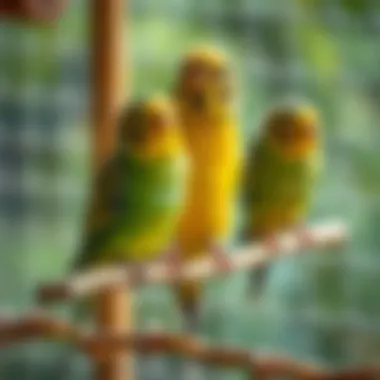

When installing these perches, consider positioning them at various heights to promote flight and movement within the cage. A mix of ledge and rope perches can spark curiosity and offer an opportunity for interaction amongst birds. Proper usage of these perches can lead to a playful atmosphere that keeps budgies stimulated.
Natural Wood Perches
Natural wood perches are often the go-to choice for pet owners looking to enhance their budgie's habitat. Unlike plastic or metal alternatives, wood naturally accommodates a budgie's feet, mimicking their natural perching experiences. The use of different woods, such as pine or birch, can provide varying widths and textures that are less likely to lead to foot problems.
Furthermore, real wood perches can be a source of entertainment. Budgies may chew on them, helping to keep their beaks trimmed and healthy. It's crucial to select untreated wood to avoid exposure to harmful chemicals often found in treated varieties. Being mindful of the longevity of natural wood, most perches can be lightly sanded down if they start to show signs of wear. This maintenance extends their usability while continuing to support a healthy environment for your budgie.
Natural wood perches not only satisfy physical needs but also play a role in the psychological comfort of your budgies, making them feel secure in their surroundings.
Benefits of Using Natural Perches
Natural perches serve as more than just resting spots for budgies; they play a crucial role in shaping their behaviour and well-being. When we look closely at the benefits these perches offer, we can see that they contribute significantly to a budgie's health, happiness, and quality of life.
Promoting Natural Behaviour
Utilizing natural perches helps encourage behaviours that mimic those found in a wild setting, where budgies typically roost, forage, and interact with their flock. These behaviours include climbing, flapping, and exploring their environment. In a cultural context, when budgies are given a chance to engage in activities that come naturally to them, they exhibit less stress and anxiety.
Think of it this way: instead of a monotonous, straight stick, a branch from a native tree offers varied textures and diameters, allowing budgies to grip and play like they would in their natural habitat. Installing branches with different shapes and surfaces not only keeps them occupied, but also stimulates their mind by requiring different muscle movement, which is vital for their overall health.
Enhancing Physical Activity
Physical activity is vital for budgies, and natural perches are a great way to promote it. By incorporating various perch heights and types, budgie owners can create an environment that motivates these birds to fly, hop, and climb. A healthy budgie, akin to a well-oiled machine, should exhibit a fair amount of activity daily. Without appropriate stimulation, they may become lethargic or develop obesity, which is common in domesticated birds.
Natural environments provide ample opportunities for movement, and replicating this at home can boost your budgie’s vitality.
For instance, incorporating a ledge or rope perch alongside traditional branches can encourage exploratory behaviour. Budgies can swing, climb, and interact, which keeps those tiny wings fluttering. Strong muscles lead to a healthy heart and better overall lifespans.
Reducing Boredom and Stress
Just like humans, birds can experience boredom, which can lead to stress and behavioural issues such as feather plucking or aggression. Natural perches combat boredom by offering an engaging, dynamic space. When a budgie has access to a variety of perches, it can explore new textures and angles, therefore, keeping its mind occupied.
Additionally, the presence of natural elements can have an impact on a budgie's stress levels. Real branches can aid in grounding the bird, while also creating a sense of security. A bird that feels secure is a happy bird, and it’s much easier to achieve that with elements that resonate closely with their instinctual behaviours.
Creating opportunities for interaction with natural perches leads to the development of a more enriching environment which, in turn, enhances the quality of life of pet budgies significantly.
In summary, the benefits of using natural perches extend beyond aesthetics. They influence behaviour, encourage movement, and mitigate stress—a trio of factors paramount to nurturing happy and healthy budgies. Owners should seriously consider these elements when furnishing their birds' habitats.
Selecting the Right Materials for Perches
Choosing the right materials for perches is not just about aesthetics or personal preference. It's critical for the well-being of budgerigars. The right materials support their anatomical needs, encourage natural behaviors, and foster an environment where they can thrive physically and mentally. When selecting materials, considerations like safety, sturdiness, and comfort should be front and center. Perches made from specific types of wood offer the best balance of all these factors, enhancing the habitat while ensuring that the birds can enjoy a naturalistic experience.
Types of Wood Suitable for Budgies
When it comes to wood, not all types are created equal for our feathered friends. Certain species are safer and more beneficial, while others could pose risks. Here are some suitable wood types:
- Manzanita: Known for its durability and rough texture, manzanita provides a gripping surface that's perfect for budgies. Its twisty branches mimic the natural environment where these birds thrive.
- Apple Wood: This wood not only offers a safe perching option but also provides a lovely taste for the birds as they chew its bark. Apple branches are often readily available and are considered a favorite.
- Willow: Flexible and soft, willow is great for budgies that like to gnaw. Its unique structure also keeps the perching surface engaging.
- Cottonwood: Lightweight and easy to manipulate, cottonwood perches are safe and comfortable for budgies, giving them a place to rest and play.
When selecting wood, always look for untreated pieces free from chemicals or coatings. Ideally, you want to provide a selection that varies in width and texture, allowing budgies to exercise their feet and discover new experiences as they explore.
Avoiding Toxic Materials
Bird health cannot be compromised; that’s a given. Unfortunately, not every wood is suitable for budgies. Some species are downright toxic, and unknowingly offering them can lead to serious consequences. The following are common materials that need to be avoided:
- Cedar: Though aromatic, cedar contains oils that can irritate birds' respiratory systems.
- Redwood: Similar to cedar, redwood can release toxins harmful to small animals like budgies.
- Pine: Often found in many homes, pine wood can actually be hazardous due to its oils which may lead to feather plucking and other issues.
- Pressure-treated woods: These often contain chemicals to preserve them, which can be lethal to birds when ingested through chewing.
Keeping these toxic materials out of your budgie’s habitat will help to create a safe and enriching environment. The process of selecting perch materials is essential. After all, your little feathered companion deserves nothing but the best.
Sourcing Natural Perches
Sourcing natural perches for budgies is not merely an aesthetic choice but a pivotal aspect of crafting a thriving habitat. When we think of a budgie's environment, it's essential to consider the quality and type of perches they are provided with, as it has direct implications on their well-being. By focusing on both sourcing methods—whether collecting from the wild or purchasing from reputable suppliers—owners can take significant steps in ensuring their feathered friends enjoy an enriched and healthy living space.
Collecting from the Wild
Collecting natural perches from the wild can be a rewarding and economical option, provided it’s done with care and consideration. This approach allows you to bring home a piece of nature that is not only authentic but also tailored to your budgie’s instinctual need to interact with its environment. Here are a few key points to keep in mind when considering this sourcing method:
- Choosing the Right Locations: Seek areas that are rich in native trees, as these branches often provide a variety of textures and diameters, which can be stimulating for your budgie. Check local parks or nature reserves.
- Species Awareness: It’s important to be familiar with the types of plants and trees in your area. Familiarize yourself with species that are safe for budgies, such as willow, aspen, and almond. Avoid any trees that may be toxic, like cedar or cherry.
- Legal Considerations: Ensure that collecting branches from the wild is permissible in your area. Some locations have regulations regarding the removal of natural resources.
- Sanitization: Before introducing any wild branches into your budgie’s habitat, a thorough cleaning process is essential. Rinse them well to remove dirt or parasites and let them dry completely under the sun.
"Nature provides a treasure trove of resources; we just need to respect its rules when we take a little home."
By harvesting your own perches, you not only reduce costs but also create a more naturalistic environment that reflects your local ecosystem. However, it’s vital to proceed with caution and consider the health implications for both your budgies and the environment.
Purchasing from Reputable Suppliers
If collecting branches from the wild isn’t appealing or feasible, purchasing from reputable suppliers is a solid alternative. This option often guarantees that the materials meet safety standards. Here’s how to choose wisely:
- Research Suppliers: Look for pet supply stores specializing in avian needs, or consult online retailers that cater specifically to bird enthusiasts. Reviews and ratings on platforms such as Reddit or dedicated forums can offer user insights.
- Material Compliance: Ensure that the wood has been harvested from non-toxic sources. Many suppliers provide information on their materials and whether they are treated with any harmful chemicals.
- Variety and Selection: A reputable supplier will often have an assortment of perches, enabling you to select various sizes and shapes to keep your budgie’s habitat dynamic. Consider options like driftwood or branches from non-toxic fruit trees, as they can add visual interest and comfort.
- Quality Assurance: Choose brands that guarantee the integrity of their products. This may include certification for bird safe materials and guidelines for proper use. Trusted companies often have clear return policies if the products do not meet expectations.
Purchasing from verified suppliers offers peace of mind with the assurance of quality and safety that wild collected materials might lack. In all cases, keeping your budgie’s health and happiness as the top priority is paramount.
In summary, whether you’re venturing into the wild or opting for the convenience of established suppliers, sourcing natural perches for budgerigars is a critical step in enhancing their environment. The choices made here can greatly impact their physical and mental health, showcasing the importance of thoughtful consideration in this aspect of pet care.
Preparing and Sanitizing Natural Perches
When it comes to creating a lively and healthy habitat for budgies, preparing and sanitizing natural perches is a crucial aspect that often gets overlooked. The well-being of these small birds relies not just on the presence of perches, but on the cleanliness and safety of the materials used. Natural perches, while providing essential benefits to a budgie’s physical and psychological health, can also harbor harmful bacteria, parasites, and contaminants if not properly cleaned and sanitized before use.
Importance of Cleaning Natural Perches
Natural perches, made from branches or wood, can attract dirt and germs. Just as we wouldn’t want to sit on a dirty chair, budgies too deserve a hygienic resting space. Regular cleaning helps to remove droppings, fallen feathers, and any potential mold that can grow on damp wood. Not only does this maintenance keep their environment neat, but it also reduces the risk of infectious diseases, ensuring that our feathered friends thrive in a safe habitat.
Initial Cleaning Process
Before you can enjoy the unique beauty of natural perches in your budgie's environment, a thorough initial cleaning is paramount. Start by collecting the branches or wood you plan to use. Give each piece a good shake to dislodge any loose debris or insects.
Next, here’s a straightforward approach to the cleaning process:
- Rinse with Water:
Using lukewarm water, rinse the perches to wash away larger particles. This initial step helps prepare the wood for a deeper clean. - Scrub with a Brush:
Utilize a soft-bristled brush—a toothbrush works well! Scrub the surface to eliminate dirt and grime. Pay close attention to crevices where build-up can occur. - Soak in soapy Water:
Prepare a mixture of water and a mild, bird-safe soap. Soak the perches for around 15 to 20 minutes to help loosen stubborn dirt. Be careful to choose soaps that do not contain harsh chemicals. - Rinse Thoroughly:
After soaking, rinse again under clean running water, ensuring there's no soap residue left, which can be harmful to your budgie.
Effective Disinfection Methods
Once the initial cleaning is done, the next step is disinfection. It’s not just about looks; we want to ensure the perches are free from bacteria. Here are some effective methods:
- Vinegar Solution:
Combine equal parts of white vinegar and water in a spray bottle. Vinegar is a natural disinfectant and breaks down mold and bacteria. Spray the perch, allow it to sit for a few minutes, then rinse thoroughly. - Bleach Solution:
In extreme cases, a dilute bleach solution (1 part bleach to 10 parts water) can be used. However, this method requires extra caution. Ensure you rinse thoroughly, and allow the perch to air dry completely to eliminate any trace of bleach.
"If you're unsure, always opt for the gentler methods first before reaching for harsher chemicals. Your budgies will appreciate the effort!"
- Boiling Water:
A simple method involves boiling the perches in water for about 10 minutes. This heat sterilizes the wood, effectively killing bacteria and parasites. Just be sure to let the perches cool and dry completely before placing them back in the habitat.
Following these steps not only enhances the safety of your budgie's perches but also underscores your commitment to providing a healthy environment. Remember, a little effort goes a long way in ensuring lasting comfort and well-being for your avian companions.
Arranging Perches within the Habitat
When it comes to the well-being of budgerigars, how perches are arranged within their habitat plays a crucial role. It’s not just about providing a place to stand; it’s about creating an environment that is stimulating and naturalistic. A thoughtful arrangement can significantly enhance the physical and psychological health of these spirited birds. Budgies are active and social creatures, and their habitats should reflect functionalities that cater to their innate behaviors.
Creating Vertical Space
Budgies are naturally inclined to fly high in their native habitats. Creating vertical space in their living environment mimics this behavior and encourages exercise. By arranging perches at different heights, budgies get the opportunity to exercise their wings and enjoy their instinctual urge to climb. This promotes not only physical health but also psychological stimulation, as they navigate their environment as they would in the wild.
- Why Vertical Space Matters:
- Encourages flight and exercise.
- Provides a sense of safety, as higher spaces are often where birds feel secure.
- Reduces competition for lower perches, giving each bird its own space.
To effectively create vertical space, use a combination of tall branches or multi-level designs in the cage. Ensure that your budgies can easily access each perch, considering their flight capabilities and agility. High perches should be stable, allowing birds to perch without wobbling or causing anxiety.
Variety in Perch Heights and Diameters
A habitat with varied perch heights and diameters caters to the natural behaviors of budgies. Different sizes encourage exploration and adaptability, allowing budgies to choose perches based on their comfort level. Each bird has its preferences; some may enjoy a wider perch for a relaxed standing position, while others might prefer narrower ones that resemble branches in the wild.
Consider these points for perch variety:
- Benefits of Different Heights and Sizes:
- Physical exercise improves muscle tone and coordination.
- Mental stimulation keeps their minds active and engaged.
- Lower perches may encourage ground foraging behaviors and play.
Remember, the diameter of the perch is just as important as its height. A perch that’s too thick can be uncomfortable for small feet, while a too-thin perch can lead to foot problems. A well-planned mixture helps in reducing the risk of foot injuries.
“Arranging perches with varied heights and sizes not only enhances accessibility but also promotes natural behaviors, ensuring your budgie remains both physically and mentally stimulated.”
To implement this, mix different types of natural wood perches, rope perches, and branches. This not only creates visual interest but makes the habitat a lively place for the birds to enjoy. Take into account the individual needs and preferences of your budgies, always aiming to create an environment that truly feels like their natural habitat.
In short, by giving thought to how you arrange perches, you are not only enhancing the aesthetic appeal of their home but also enriching their lives in a way that mirrors their instincts.
Observing Budgie Behaviour with Natural Perches
When it comes to caring for budgerigars, understanding their behaviour in relation to natural perches can make all the difference between a standard habitat and a thriving environment. Observing how budgies interact with their surroundings, especially their perches, reveals insights that are not just intriguing but vital for their overall well-being. The presence of natural perches provides an opportunity to study these fascinating creatures closely and appreciates their needs better.
Monitoring Usage Frequency
Understanding how often budgies use their natural perches is not merely an exercise in curiosity; it serves as a core indicator of their comfort and health. When a budgie frequently returns to its perch, it signifies that the perch is not only acceptable but perhaps preferred. This data can guide you in selecting additional perches or in modifying your existing setup.
- Data Collection: Using a simple chart or notepad, record the times your budgies visit their perches throughout the day. This can help identify patterns, such as whether they prefer certain perches during specific times.
- Changes with Environment: When introducing new perches or rearranging them, keep an eye on their usage. A dip in frequency could indicate they’re finding it less appealing. Conversely, increased use can confirm that a change was beneficial.
- Health Indicators: An unexpected decrease in perch usage may hint at underlying health issues. If your budgie isn't using its perches as much, it might be worth seeking veterinary advice.
By closely monitoring usage frequency, pet owners can gain a clearer picture of their budgie's happiness and healthiness, ensuring their feathered companions have a fulfilling habitat.
Identifying Preferences
Understanding the specific preferences of your budgie can enhance their living environment immensely. Just like humans, each budgie has its own likes and dislikes, which could be influenced by factors such as perch shape, texture, and height. Identifying these preferences goes hand-in-hand with monitoring usage frequency.


- Texture Considerations: Budgies often gravitate towards natural wood perches that mimic their wild habitats. Pay attention to whether your budgie prefers smooth or rough textures. This can impact not only their comfort but also their beak health.
- Height Diversity: Some birds might favor high perches, while others might feel more secure on lower ones. Incorporate varying heights in your habitat to see where your budgie tends to hang out more.
- Perch Diameter: The thickness of a perch can significantly affect your budgie's grip comfort. Be observant: do they cling more readily on wider perches, or do they seem to prefer slender ones?
By taking note of these behaviors, you can adjust your habitat to cater specifically to your budgie’s taste. This attention to detail not only fosters a more stimulating environment but can also foster a deeper bond between you and your pet.
Observing your budgie's perch preferences is as essential as choosing nutritious food; both play pivotal roles in their overall well-being.
Ultimately, the behaviour of budgerigars in relation to their perches reveals a wealth of information for pet owners. By monitoring how often they use their perches and understanding their preferences, you can tailor their environment to suit their needs—a chance to boost their quality of life significantly. This holistic approach makes for a happy budgie and a fulfilling experience for their caretakers.
Common Mistakes with Natural Perches
Creating a comfortable and stimulating habitat for budgies is an important task for any owner. However, there are pitfalls that can detract from the benefits that natural perches can provide. Understanding these common mistakes is essential for ensuring the well-being of your feathered companions. This section highlights some frequent errors in selecting and maintaining natural perches.
Ignoring Size and Shape Requirements
One of the most prevalent mistakes among budgie owners is disregarding the appropriate size and shape of perches. Budgies come in various sizes, and their perches should reflect that diversity. A perch that is too thin may strain their feet, while one that is excessively thick could prevent them from gripping properly.
The diameter of a perch should generally range between one-half to one inch, ideally tailored to fit comfortably in a budgie’s claws. A well-sized perch promotes healthy foot posture and reduces the risk of foot problems. Moreover, a variety of sizes should be incorporated, as it encourages exercise and natural movement.
Additionally, the shape of the perch is just as crucial. Natural wood provides uneven surfaces that mimics tree branches found in the wild. This type of variety is great for preventing foot issues like bumblefoot, which results from standing on flat, uniform surfaces for too long.
Investing time to select perches that adhere to these size and shape requirements not only enhances the budgies’ comfort but also enriches their lives, resulting in more active and happy birds.
Inadequate Cleaning Practices
Another misstep often encountered in the realm of natural perches is neglecting proper cleaning routines. Many owners assume that natural materials are self-sanitizing, but this couldn't be further from the truth. Regular cleaning is vital to prevent the accumulation of bacteria and parasites which can affect your budgie’s health.
To effectively maintain the hygiene of natural perches, implement a routine that includes:
- Daily inspections for any signs of droppings or accumulated debris.
- Washing with warm water and mild detergent at least weekly. A soft brush aids in reaching crevices.
- Disinfecting the perch with a solution of vinegar and water can help eliminate unwanted microorganisms.
By ensuring thorough cleaning practices, you can mitigate illness caused by contaminants and maintain a vibrant environment for your pet.
“Healthy birds are happy birds; cleanliness plays a key role in their overall joy.”
Long-Term Maintenance of Natural Perches
Long-term maintenance of natural perches is crucial for ensuring the health and happiness of budgerigars. These perches are not just mere accessories but pivotal components of a budgie's habitat. When one considers the daily activities of these birds—perching, climbing, and exploring—it becomes evident that consistent upkeep is essential. Neglecting maintenance can lead to unsafe environments that not only impede natural behaviors but also pose health risks to the birds.
Regular Inspections
Conducting regular inspections of natural perches is a fundamental part of maintaining a healthy habitat for budgies. It’s a straightforward task that can prevent potential dangers before they escalate. It's often a good idea to check the perches at least once a week. Look for signs of wear such as rough edges, cracks, or splinters that may hurt the birds or affect their ability to grip securely.
- Key aspects to consider during inspections include:
- Surface wear: Check for any splintering or peeling wood that could lead to injury.
- Stability: Ensure the perch is firmly attached and doesn't wobble. Budgies like to hop around, and an unstable perch can be unsettling.
- Bacterial buildup: Pay attention for any signs of mold or excessive dirt that could lead to health problems.
By staying on top of these factors, pet owners can ensure their budgies have access to safe and enjoyable environments.
Replacing Worn or Damaged Perches
At some point, every perch will need to be replaced, whether due to wear and tear or unforeseen damage. Knowing when to replace a perch can save you from dealing with bigger issues later on. A good rule of thumb is to consider both the time since the perch was introduced and its visible condition.
Hints for identifying the right time for replacement:
- If you notice any significant deterioration from your inspection, it’s time to swap it out.
- If the perch has been a staple in your budgie habitat for over a year without any rotation, consider replacing it even if it looks okay, as build-up of bacteria can still be a concern.
When replacing perches, think about variety—different diameters and textures can enhance the birds' experience and fitness. Natural wood perches, ropes, or even ledges made from safe materials can create an ideal environment. By factoring in these considerations, budgie owners can maintain a vibrant and invigorating habitat for their feathered friends.
"Taking care of your budgies means paying attention to their surroundings. #SafetyFirst"
By investing time in regular inspections and timely replacements, you help create a habitat that's not just functional, but lively, allowing your avian companions to thrive.
Finale on Natural Perches for Budgies
Creating a suitable environment for budgerigars is more than just filling a cage with toys and food. It involves an understanding of their natural behaviors and preferences. Natural perches are more than mere resting spots; they fulfill essential needs that contribute to the overall well-being of these vibrant birds. This section delves into the significant benefits that natural perches offer, reinforcing the importance of thoughtfully incorporating them into a budgie's living space.
Recap of Benefits and Importance
Natural perches bring a myriad of advantages for budgerigars. Here's a succinct summary of why they are crucial in a budgie's habitat:
- Physical Health: Natural wood promotes varied grip and claw exercise. When budgies climb or shift positions on uneven surfaces, it keeps their feet strong and healthy.
- Mental Stimulation: The unique textures and shapes of natural perches engage a budgie’s curiosity. Unlike uniform plastic, real wood encourages exploration and play.
- Behavioral Enrichment: Providing a variety of perch sizes and types facilitates natural behaviors such as preening, stretching, and socializing, which are critical for their mental health.
- Enhanced Comfort: Natural materials often provide a snug texture that budgies prefer over synthetic alternatives, making them feel more at ease in their surroundings.
In summary, using natural perches effectively supports the physical and psychological health of budgies, offering them the opportunity to thrive in an environment that mirrors their natural habitat.
Final Recommendations for Owners
To ensure budgies enjoy the full benefits of natural perches, consider the following recommendations:
- Diverse Options: Incorporate different types of natural perches in various locations within the habitat. This not only optimizes space but also encourages movement and exploration.
- Quality Materials: Always opt for untreated, chemical-free wood from safe sources. Cherry, birch, and apple are excellent choices for budgies.
- Regular Maintenance: Keep a close eye on the condition of the perches. Regularly inspect both for wear and tear, removing any that might pose a risk to your birds.
- Observe Behavior: Pay attention to how your budgies interact with the perches. This can provide insight into their preferences and allow you to adjust their environment accordingly.
Natural perches not only enhance the physical structure of the habitat but can also build a deeper bond between the budgie and its owner. Owners who prioritize thoughtful choices in their budge care will find, over time, that the rewards are multifaceted, from healthier birds to an enriched bond.
“Natural perches are crucial to your budgie’s health—choose wisely and maintain regularly.”