Large Pine Shavings for Chickens: A Complete Guide


Intro
The world of poultry care is multifaceted, requiring not just an understanding of feeding and health patterns but also a keen eye for the right environment. When it comes to providing chickens with a comfortable and hygienic habitat, bedding choices play a vital role. Among these options, large pine shavings have emerged as a popular and effective bedding solution. This guide will delve into the specifics of using large pine shavings as bedding for chickens. We will discuss their various benefits, address important considerations when selecting them, and explore how they can enhance the overall health of your flock.
Chickens spend a significant amount of their lives in close quarters, making the selection of proper bedding critical for their well-being. From their ability to absorb moisture to their role in maintaining cleanliness, large pine shavings stand out. But, it’s not just about choosing any bedding; it’s about understanding the dynamics of a chicken's living environment and how suitable bedding can impact their life.
Throughout this guide, we aim to equip you with the knowledge necessary to optimize your chicken coop using pine shavings, whether you're just beginning your poultry journey or you've been raising chickens for years. The right approach can make all the difference in fostering a healthy, happy flock.
Prelims to Bedding Options
When it comes to raising chickens, one core aspect that often gets overlooked is the choice of bedding for their coop. Selecting the right bedding is not just about comfort; it directly affects the health and well-being of your flock. In essence, proper bedding plays a multifaceted role—it aids in waste management, helps control odors, and creates a more pleasant living environment for your chickens. Hence, understanding the options available can make a significant difference in your chicken-keeping experience.
Importance of Suitable Bedding
Farming professionals and hobbyists alike emphasize the significance of choosing an appropriate bedding type. Why is this choice so crucial? Well, for starters, suitable bedding absorbs moisture effectively. Chickens are notoriously messy, and a damp environment can lead to harmful bacteria growth that jeopardizes their health. Moreover, suitable bedding provides insulation, keeping your chickens warm during colder months and helping them remain cool during the hot summer.
Another vital aspect is the impact of bedding on the chickens’ feet. Rough or unsuitable materials can lead to injuries or infections, which are undesirable for any chicken keeper. This is where large pine shavings excel. They are soft, reduce the risk of foot injuries, and allow chickens to scratch and dig as they naturally would, promoting mental well-being.
Common Materials Used
There exists a wide array of bedding materials, but not all are created equal. Here are some commonly used options, alongside their pros and cons:
- Straw: While somewhat affordable, straw tends to be less absorbent than other materials. It can also harbor pests and mold, leading to potential health risks for your flock.
- Hay: Similar to straw in terms of downsides, hay can also attract certain critters. Furthermore, it might not be the best choice for long-term use due to its tendency to decompose quickly, which can create a breeding ground for bacteria.
- Wood Chips: Generally more absorbent than straw, wood chips can provide a comfortable surface. However, they often lack the effective odor control that some chicken keepers seek.
- Large Pine Shavings: This material stands out due to its great absorbency and natural pest deterrence. The soft texture is gentle on chickens' feet, and it can keep coops smelling fresh longer than many other types of bedding. Plus, it can easily be composted afterward, making it an eco-friendly choice.
In sum, what you choose as bedding can impact your flock’s comfort and health immensely. Large pine shavings offer a compelling blend of benefits, effectively balancing comfort, manageability, and health considerations, making them a worthy consideration for any chicken keeper.
Overview of Large Pine Shavings
When it comes to providing a safe and comfortable environment for chickens, bedding choices stand out as critical. Large pine shavings, in particular, offer unique advantages that make them a favorable option for poultry keepers. Understanding the properties and implications of using pine shavings as bedding can help in maintaining the overall health of your flock while optimizing your chicken coop.
Characteristics of Pine Shavings
Pine shavings are derived from the wood of pine trees. They are usually ground and shredded into convenient sizes for various uses. The first thing to note is their absorbency. These shavings are natural sponges, soaking up excess moisture from manure and waste, thus keeping the coop dry. Dry bedding is essential, as it reduces the likelihood of bacteria growth, which can harm your chickens.
Another notable characteristic is the light, airy texture. When spread generously across the coop floor, it promotes good airflow within the bedding. This quality serves to maintain a cooler environment in hot weather, contributing positively to chicken welfare. Moreover, the subtle scent of pine can help mask foul odors, making the coop more pleasant for both chickens and their caretakers.
In terms of size, large pine shavings are specifically appreciated for their chunkier composition. This characteristic helps to reduce dust, a factor that can exacerbate respiratory issues in both birds and humans. Larger pieces are less likely to become airborne, providing a cleaner reusable bedding option.
Comparison with Other Bedding Materials
When we stack large pine shavings against other bedding materials, some distinctive advantages are apparent. For instance, straw is a popular choice for bedding, but it often falls flat in terms of absorbency. While straw can work in a pinch, it tends to retain moisture, leading to potential dampness and bacterial growth if not managed properly. Pine shavings, on the other hand, have a much higher absorbent capacity, keeping the living environment drier.
Additionally, compare pine shavings to products like sand or sawdust. Sand might provide good drainage, but it can also become hard-packed and uncomfortable for chickens. Sawdust, on its own, might be overly fine and dusty, causing respiratory issues due to the high airborne particulate density.
It’s worth mentioning that cost and availability also play a role. Large pine shavings are generally more accessible and affordable compared to premium bedding materials like hemp or specially treated straw, which can be pricier and harder to find.
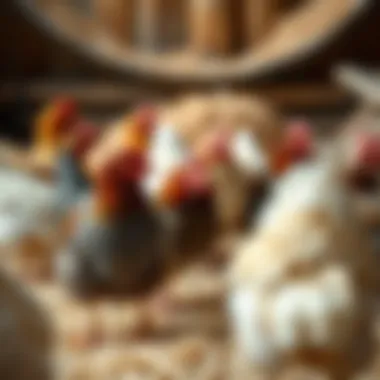

"Choosing the right bedding isn't just about comfort; it's also crucial for maintaining a healthy environment for your chickens."
Benefits of Using Pine Shavings
When it comes to providing a comfortable and hygienic environment for chickens, the choice of bedding is paramount. Pine shavings, particularly the larger variety, offer a range of significant advantages that benefit both the poultry and their caretakers. understanding these benefits plays a crucial role in ensuring the overall health and welfare of your flock. This section will break down how these shavings contribute to absorbed moisture and odor control, provide comfort to the birds, and act as a deterrent to pests.
Absorbency and Odor Control
One of the foremost benefits of using large pine shavings is their impressive absorbency. These shavings can hold a substantial amount of moisture, which is vital in preventing a breeding ground for bacteria and other pathogens. In a chicken coop, where droppings can accumulate quickly, this property mitigates the smell and maintains a cleaner environment.
Pine shavings work effectively by quickly absorbing moisture, trapping it within their cellular structure. As a result, they can keep the coop relatively dry. When the coop is free from excessive moisture, the chance of illness caused by damp conditions is reduced, allowing chickens to thrive. Additionally, the natural properties of pine make it effective in reducing odors. Pine contains compounds that can neutralize some of the unpleasant smells associated with chicken waste, making the overall environment more pleasant for both the birds and their keepers.
Comfort for Chickens
Chickens, like all animals, appreciate having a cozy space to rest and sleep. Large pine shavings serve as an excellent bedding material because they provide a soft, cushioned surface for the birds to stand and lay on. Instead of a hard floor, which can lead to discomfort or injuries, shavings create a more forgiving surface underfoot.
Moreover, when chickens are comfortable, it positively affects their overall health. Stress can bring on a host of issues in poultry, ranging from reduced egg production to weaker immune systems. By using pine shavings, you can help alleviate some of this stress. The thickness of the shavings allows for natural scratching behaviors; chickens instinctively enjoy burying their beaks into the bedding, making them feel at home and more at ease.
Pest Deterrence Properties
Large pine shavings possess natural pest deterrent properties that can be an extra layer of protection in your chicken coop. The oils found in pine are known to ward off certain insects, especially mites, which can plague poultry. Fewer insects mean less stress for your chickens and a reduced chance of disease transmission.
By incorporating pine shavings into the bedding, the chances of pest infestations decrease. This is particularly beneficial during warmer months when pests are more active. Additionally, as the shavings break down over time, they produce a mulch that repels unwanted critters, keeping your coop safer and more comfortable for your flock.
In summary, using large pine shavings for bedding offers exceptional absorbency, comfort, and natural pest prevention. These attributes contribute to the welfare and health of chickens, simplifying the management tasks for poultry keepers.
As we delve into the next section of this guide, this foundational understanding of the benefits provided by pine shavings will serve as a valuable context for exploring other aspects of their use, ensuring you can make informed decisions for your chicken coop.
Considerations When Using Pine Shavings
Using large pine shavings as bedding is not all roses and sunshine. Though they offer several advantages, it’s crucial to consider their downsides too, particularly regarding the health and well-being of your chickens. Understanding the potential risks, as well as practical issues like dust and costs, will bear influence on your overall poultry care strategy.
Potential Health Risks
Even if large pine shavings are favored for their absorbency and comfort, they can also pose specific health risks for your chickens. One of the primary concerns involves volatile organic compounds (VOCs) released from pine wood. Over time, these compounds can irritate the respiratory system of birds, particularly young chicks or older chickens, whose health may already be fragile.
In more severe cases, direct exposure to certain oils in fresh pine shavings can lead to toxic reactions. Chickens may develop skin irritations or even respiratory distress. Therefore, if you're using fresh pine shavings, you'll want to consider letting them off-gas for a few days in a well-ventilated area before adding them to the coop. This allows the harmful compounds to dissipate, leading to a safer environment for your flock.
Dust Issues and Respiratory Concerns
Dust is another considerable element when using pine shavings. Once these shavings start to crumble with age, they produce fine particles that can waft into the air and create a dust cloud. While dust is often a minor inconvenience for humans, it can be problematic for chickens.
Chickens have delicate respiratory systems. If too much dust accumulates, it can lead to respiratory issues, such as coughing or irritation. This is especially critical during the winter months when coops are sealed up tighter than a drum. To mitigate this, consider regularly turning or fluffed the shavings to reduce dust buildup.
Using a damp cloth to spot clean the bedding can also help cut down on the dust while enhancing the overall cleanliness of your coop; maintain a balance without making a big mess!
Cost and Availability


When it comes to cost, large pine shavings generally won’t break the bank. The price point tends to favor many other natural bedding options, which is a boon for budget-conscious keepers. Pine shavings can often be found at local agricultural supply stores or even larger retail chains. However, their availability can vary from region to region, and purchasing in bulk often leads to more significant savings.
It’s worth noting that prices may fluctuate from season to season. August through early September is when many stores stock up for fall, making it an excellent time to grab your supplies at potentially lower prices. Always do a little shopping around to find the most suitable deal, and consider checking online marketplaces such as eBay or Amazon to see if you can snag a good price.
In summary, while large pine shavings have plenty of benefits, a prudent chicken keeper should weigh these health considerations. Monitoring VOCs, managing dust levels, and considering costs are critical for optimizing the welfare of your feathered friends.
Choosing Quality Pine Shavings
When it comes to bedding options for chickens, not all pine shavings are created equal. Choosing high-quality pine shavings plays a significant role in ensuring the well-being and health of your chickens. Quality shavings can enhance the living conditions of your birds while also making maintenance easier for you. In this section, we’ll explore the essential elements to consider when selecting the best pine shavings for your coop, focusing on the assessment of quality, the differences between treated and untreated options, and where you can find the best products.
Assessing the Quality of Shavings
To gauge the quality of pine shavings, there’s no shortage of factors to consider. First off, the consistency and size of the shavings should be uniform; large, chunky bits are less desirable because they can cause discomfort for chickens. Ideally, you want shavings that are properly shredded to a medium size. This size allows for effective absorbency while also providing comfort.
Furthermore, a fresh scent is an indicator of good quality. A foul odor can suggest contamination or inferior grade shavings that may harbor mold or pests. You should also keep an eye out for dust; excessive dust can cause respiratory issues among your flock, so opt for low-dust products if possible. A quality check can be performed by simply running your hands through the shavings—if they feel clean and soft, you’re likely on the right track.
Identifying Treated vs. Untreated Shavings
While browsing through the options, it’s crucial to differentiate between treated and untreated shavings. Treated pine shavings might be infused with chemicals for pest control and preservation, but these additives can cause harm to chickens, particularly young or sensitive birds.
On the other hand, untreated shavings are generally safer and promote a healthier environment. Make sure you check for labels that specify whether the product is treated. When in doubt, don't hesitate to ask vendors for details about the manufacturing processes. Ensure you prioritize untreated natural shavings for the well-being and longevity of your flock.
Where to Purchase Pine Shavings
The next step is sourcing quality pine shavings. You have a multitude of avenues available, depending on your preferences. Local feed stores are a great first stop. Here, you're likely to find shavings that are not only of good quality but also reasonably priced.
Moreover, agricultural supply websites and co-op online stores often stock a range of options. Websites like Tractor Supply Co., or local farm supply chains, can provide insight into available types. Don't overlook the power of community; local growers or fellow chicken keepers may have recommendations on where to get quality products at a fair price. Just make sure to inquire about their experiences with the product to ensure you’re making an informed purchase.
Application in Chicken Coops
Incorporating large pine shavings as bedding in chicken coops presents a kaleidoscopic range of benefits that not only enhance the well-being of your poultry but also simplify management routines significantly. When it comes to providing a cozy yet practical habitat for chickens, bedding plays a pivotal role, acting as a buffer against moisture and a cushion that helps keep the coop comfortable. With their natural properties, pine shavings set the stage for good health and hygiene among your birds.
Best Practices for Bedding Management
Effective management of bedding is crucial to the overall environment in a chicken coop. Here are some essential best practices:
- Regular Inspection: Keep an eye on the bedding condition. Monitoring helps you catch problems like dampness or odor before they become a significant issue.
- Depth Consideration: A layer of around three to four inches works well. This depth provides the necessary cushioning while allowing for effective insulation.
- Ventilation: Ensure proper airflow in the coop. Good ventilation helps to reduce humidity, which can keep the shavings dry and lessen odor buildup.
- Maintenance Routine: Establishing a routine for replacing or refreshing bedding can help maintain cleanliness and reduce the risk of disease.
Implementing these practices can help chicken keepers maintain a healthier living environment for their flock.
Layering Techniques
Layering is an art form when it comes to using pine shavings effectively. Doing it right not only enhances the comfort level but also aids in controlling odors and managing waste. Here’s how to go about it:
- Base Layer: Start by laying a foundation of pine shavings, which should be the bulk of your bedding. This layer absorbs waste and moisture effectively.
- Middle Layer: Add a mixture of straw or hay on top of the shavings to absorb excess moisture and provide additional warmth during colder months.
- Top Layer: Finally, a thin layer of fresh pine shavings can be added on top. This helps keep everything looking tidy and fresh.


Layering bedding this way not only creates a warm and inviting environment for chickens but also encourages a natural composting process with minimal odor.
Changing and Maintaining Bedding
The key to a healthy coop lies in how often you change and maintain your bedding. Here are several considerations:
- Frequency of Change: Ideally, replace old bedding entirely every few weeks. However, deeper bedding systems may require less frequent complete changes, relying instead on spot cleaning to manage droppings and debris.
- Dewatering Technique: Before replacing bedding altogether, consider removing the top layer for composting while keeping the base layer intact. The breakdown of the shavings can help enrich the nutrients in the remaining bedding.
- Sanitize Thoroughly: When changing bedding, doing a thorough cleaning of the coop itself is essential. Use a mixture of vinegar and water as a natural disinfectant to maintain a sanitary environment.
Keeping up with changing and consistently maintaining your bedding can lead to a cozier, healthier space for your chickens to thrive.
"A clean coop is a happy coop; happy chickens lay better eggs."
By focusing on the application of large pine shavings in chicken coops, chicken owners set their birds up for success in both health and productivity.
Alternatives to Pine Shavings
When you're raising chickens, choosing the right bedding seems like a no-brainer, yet there's a whole world of alternatives out there that might suit your needs better or even just add a bit of variety to your coop setup. This section dives into several options besides large pine shavings, examining each one’s unique properties, advantages, and some things to keep in mind. Knowing these alternatives can help you make informed decisions about what goes into your chickens’ living space.
Other Wood Beddings
Apart from pine shavings, there are several other types of wood bedding that you can consider:
- Cedar Shavings: Though aromatic, cedar shavings should be used with caution. They can repel insects and have a pleasant scent, but the oils that give cedar its smell can potentially irritate chickens’ respiratory systems. If you opt for cedar, it's wise to use it sparingly or mix it with other bedding types.
- Aspen Shavings: Aspen is a good alternative that's relatively lightweight and absorbent. It lacks the strong aromatic oils found in cedar, making it a safer choice for your flock. Many poultry owners appreciate aspen for its softness and dust-free nature, which helps reduce respiratory issues.
- Hemp Bedding: This option has been gaining traction in recent years. Hemp is highly absorbent and decomposes well, which makes cleaning easier. It also tends to be less dusty than other wood options. Just be aware that it might be pricier than traditional wood shavings.
Straw and Hay Considerations
When discussing chicken bedding, it’s easy to overlook straw and hay, but both can serve unique purposes:
- Straw: Often confused with hay, straw is generally the leftovers from grain crops and is typically hollow, making it lightweight and insulating. It's a natural choice, but it can harbor pests and mold if not changed regularly. Reflect on your local climate and how much protection you want to offer your chickens. Straw is excellent at regulating temperature but can be a bit messy, as it tends to scatter everywhere.
- Hay: On the other hand, hay is primarily used to feed animals, and using it as bedding can be problematic. It contains seeds and might encourage unwanted plant growth in your coop. Furthermore, it can attract rodents looking to munch on the nutritious pieces. So while hay might be good for feeding, it’s not the best choice for bedding.
Commercially Available Pet Products
If you’re looking for convenience or are unsure about sourcing more natural options, there’s a range of commercial products designed for chicken bedding. A few to consider include:
- Paper-based Bedding: Made from recycled paper, this type is exceptionally absorbent and biodegradable. It's also free from dust and chemicals, making it a healthier option for breathing. The downside is that it can be pricier and might not offer the same levels of warmth as wood shavings.
- Pelletized Bedding: This type of bedding typically comes in small pellets made from compressed sawdust or other organic materials. Pelletized bedding expands when moistened, turning into a fluffy material that absorbs a lot of moisture and aids in odor control. Just like with paper bedding, however, you may find it can get more costly depending on where you buy it.
- Coconut Coir: Made from the fibrous husk of coconuts, this option is sturdy and offers excellent moisture retention. It's becoming more popular among poultry keepers, though its availability may vary by region.
In choosing between these alternatives, weigh factors like cost, availability, absorbency, and your chickens’ specific needs. By considering these bedding options, you'll be well on your way to ensuring a cozy coop for your flock.
Ending
In the landscape of chicken care, the choice of bedding material holds pivotal importance, shaping not only the comfort of the birds but also their overall health and well-being. This guide has delved into the multifaceted benefits of using large pine shavings, standing out as a favorable option among various bedding materials. The insights provided herein aim to foster a deeper understanding of how proper bedding can significantly enhance the living conditions of chickens.
Summarizing the Key Points
Throughout the article, several salient points have emerged:
- Characteristics of Pine Shavings: Their natural properties, such as absorbency and lightweight nature, contribute to a dry, comfortable environment for chickens.
- Health Benefits: Using pine shavings aids in controlling odors and also helps deter pests, creating a cleaner and safer coop environment.
- Considerations: While the advantages of pine shavings are compelling, there are considerations regarding potential health risks and proper management practices that must not be overlooked.
- Quality Selection: Understanding how to choose high-quality shavings—recognizing treated versus untreated varieties—ensures that chicken keepers provide the best possible bedding for their flocks.
- Comparative Analysis: Compared to other materials, large pine shavings often offer superior durability and ease of maintenance, making them a top choice among various bedding options.
Encouraging Best Practices for Chicken Health
For the well-being of chickens, adhering to best practices in bedding management is crucial. Here are several recommendations for chicken keepers:
- Regular Maintenance: Consistent changing of the bedding ensures that the coop remains dry and free from pathogens. An unkempt environment can lead to health issues for chickens.
- Layering Techniques: Implementing effective layering strategies enhances moisture retention without compromising comfort. A thick top layer of shavings can help manage waste beneath.
- Monitoring Health: Regularly observe your flock for signs of discomfort or respiratory issues, which could arise from dust or damp conditions in the coop. Keeping an eye on your chickens is essential for early intervention.
- Educating Yourself: Engage with communities on platforms like Reddit or relevant Facebook groups to share experiences and learn from fellow chicken enthusiasts. Their tips can be invaluable in optimizing practices.