Essential Guide to Choosing Your Perfect Pet Parrot


Intro
Owning a pet parrot is like inviting a lively companion into your home. Many bird enthusiasts are drawn to these colorful creatures for their intelligence, vibrant personalities, and ability to mimic human speech. However,.when it comes to buying a parrot, there’s more to it than simply picking a pretty one at the pet store. This journey requires careful thought and consideration.
In this guide, we will navigate through the essential elements that proper parrot ownership entails. From choosing the right species to understanding their unique habitat needs, diet, social behavior, and grooming practices—every angle will be explored. Before plunging into the colorful world of parrots, let’s unpack the layers of responsibility and joy that come with these avian friends.
Understanding Parrots
Understanding parrots is crucial for anyone considering bringing one of these colorful, intelligent birds into their home. Parrots are not just pets; they are complex creatures, each with unique traits and needs. To successfully integrate a parrot into your family, you must grasp their diversity, natural behaviors, and social dynamics. Without this knowledge, potential owners might end up frustrated or—worse yet—contemplate giving up their feathered companions.
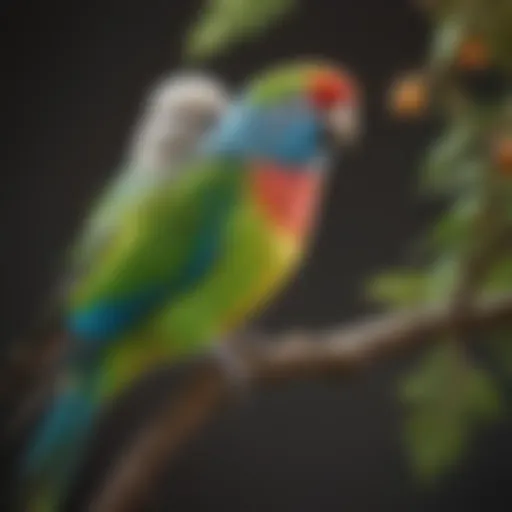
Parrots come in various sizes, from the tiny budgerigar to the grand macaw. Each species carries its personality, which influences their social interactions and care requirements. Additionally, understanding their natural habitats can provide a vital backdrop for creating an adequate living environment. In a nutshell, knowledge about parrots sets the foundation for a harmonious relationship between humans and these fascinating creatures.
The Diversity of Parrot Species
When we look into the world of parrots, we uncover a vast array of species, each with its own quirks and characteristics. There are over 393 species of parrots, and they can be grouped into different families, such as true parrots (family Psittacidae) and cockatoos (family Cacatuidae).
- Budgerigar: Often simply called "budgies," these small birds are among the most popular pet parrots. They are known for their playful demeanor and can be taught to mimic human speech, making them a favorite among pet owners.
- African Grey: Renowned for their exceptional intelligence, African Grey parrots are also skilled talkers. They require a lot of mental stimulation and social interaction to thrive.
- Amazon Parrots: With vibrant feathers, Amazon parrots are known for their outgoing personalities. They thrive when socialized, and their mimicking abilities can be quite amusing.
- Macaws: These larger birds are stunning with their long tail feathers and bright colors. They are playful and often form strong bonds with their owners.
Understanding these species is vital because it influences everything from the space they need to their social requirements. Not every parrot suits every person or household; thus, recognizing personality traits and care demands becomes a linchpin in selecting your feathered friend.
Natural Habitats and Behavior
Parrots originate from various habitats, primarily tropical and subtropical regions. Most live in dense forests, savannas, or mangroves. This diversity in habitat influences their behavior and social structures.
In the wild, parrots are highly social creatures. They typically live in flocks, which provide safety in numbers and opportunities for social learning. This behavior extends into their pet life; owners should note that parrots crave interaction—both with humans and other birds.
Parrots are also known for their inquisitive nature. They love to explore their environment, solve puzzles, and engage with toys. Their natural curiosity must be nurtured through environmental enrichment in your home, allowing for mental stimulation that mimics their wild lifestyle.
"For a parrot, boredom is a bird's worst enemy; ensure their habitat is engaging to keep them happy and healthy."
When preparing to welcome a parrot into your life, appreciate not just their beauty but also their complex needs and behaviors shaped by their natural environments. Understanding where they come from allows for a more enriching life for both you and your new companion.
Factors to Consider Before Buying
When contemplating the addition of a pet parrot to your life, the stakes are high; it’s not just about picking a colorful bird that can squawk tunes. The reality is you're considering a long-term companion that comes with its own set of needs and quirks. This section delves into crucial factors that you must weigh before making this significant decision.
Assessing Your Lifestyle
First things first, you’ve got to take stock of your day-to-day life. Parrots are not low-maintenance pets. They need engagement, attention, and social interaction. If you’re someone who travels a lot, works long hours, or simply enjoys the quiet life, a parrot might not be the best fit for you. Keep in mind:
- Time Commitment: Parrots are social creatures that thrive on interaction. They can become lonely and even develop behavioral issues if left alone for extended periods.
- Activity Level: If you live an active lifestyle, perhaps you exercise, entertain guests frequently, or prefer a home bustling with activity, some parrot species might fit right in. Other parrots, however, prefer a calmer environment.
- Adaptability: Consider how easily you adapt to changes. Parrots can often take time to adjust to new environments, which can be stressful for both you and them.
Space and Environment Requirements
Finding a suitable environment for your feathered friend is paramount. It's not just about where they sleep; it’s about the entire space you can provide. Different species have distinct space requirements, and those need careful consideration:
- Cage Size: The cage should be large enough for the parrot to stretch its wings and move around comfortably. A huddled flock is a happy one, but little space can cause stress.
- Safe Zones: When out of the cage, your parrot needs designated safe areas to explore. Check for potential hazards like toxic plants or open windows.
- Noise Levels: Parrots are notorious for their vocalizations. If you live in a noise-sensitive environment (like an apartment), think about how your prospective parrot might fit into that landscape.
Expected Lifespan and Commitment
Understanding the long-term responsibility is crucial when buying a parrot, as many species boast surprisingly long lifespans.
- Longevity: Some smaller species, like budgerigars, might live around 5 to 10 years, while larger varieties, such as macaws, can live upwards of 50 years. Are you ready for that kind of long-term commitment?
- Changing Needs: As your parrot ages, its needs may change. This can include diet adjustments, increased medical care, or modified interaction patterns.
- Life Stages: Beyond lifespan, consider the various stages in a parrot’s life—baby, juvenile, adult—and how these might align with your own life phases, such as career changes or family dynamics.
Remember, owning a parrot is much like adding a new family member. It’s a serious commitment that can involve significant emotional and financial resources.
In summary, before buying a parrot, it’s essential to reflect deeply on these critical factors: your lifestyle, space, and the commitment required for a lifetime. Investing time in this self-assessment not only helps ensure a happy pet but also a happier you as you navigate the joys and challenges of parrot ownership.
Choosing the Right Species
Selecting the right parrot species is a cornerstone of ensuring a harmonious relationship between you and your new feathered companion. Not all parrots are created equal; each species carries its own set of traits that can significantly impact your experience as a pet owner. An informed choice can lead to a fulfilling companionship for years, whereas a mismatch can cause headaches for both you and your avian friend.
Popular Pet Parrot Species
Budgerigar
Often referred to as "budgies," Budgerigars are small, colorful parrots that have won the hearts of many bird lovers. One notable aspect of budgies is their social nature. These birds are typically friendly and are known for their ability to mimic human speech. This makes them a delightful addition to households, especially for beginner bird owners.


The small size of budgies lends to their easy care—less space and fewer resources than larger species. However, it's important to note that they still require social interaction. A lonely budgie can become withdrawn or develop behavioral issues. Additionally, their vibrant colors can cheer up any room, and you may find their playful antics quite entertaining. Consider the budgie if you seek a lively companion without the hefty maintenance of larger species.
African Grey
The African Grey Parrot is often considered the genius of the avian world. Known for their prodigious intelligence and unparalleled mimicking abilities, these birds can learn a vast vocabulary and even understand context. An African Grey can be a remarkable friend for someone dedicated to interactive training sessions.
However, the high cognitive demands of these parrots mean they require mental stimulation and constant engagement from their owners. Neglect can lead to behavioral issues, including screaming or feather plucking. The African Grey's complexity demands a significant time commitment and dedication, but their affectionate and loyal nature can be rewarding for the right owner.
Amazon Parrots
Amazon Parrots boast a vibrant personality alongside their colorful feathers. They thrive in social settings and are known for their playful behavior and vocal nature. These parrots can engage in antics that can brighten up a dull day, making them excellent companions for active families.
While they are highly sociable, Amazons need ample interaction and can exhibit challenging behaviors if bored. This might include raucous vocalizations or engaging in destructive activities. Owners considering this species should ensure they have time to devote to socializing and mental challenges.
Macaws
Macaws are the giants of the parrot world, famous for their striking colors and charismatic presence. These birds are known for their playful demeanor, intelligence, and sociability, making them ideal for experienced bird owners. A Macaw's capacity for bonding with its human companions often surpasses that of smaller species, offering deep emotional connections.
However, with great size comes great responsibility. Macaws require large cages, significant socialization, and an investment in their diet and care. Their vocal abilities can also pose challenges, as they are notoriously loud, which may not be suitable for every household. If you have the resources and time to dedicate, a Macaw can provide a lifelong friendship that brings joy and adventure.
Comparative Behaviors and Needs
Understanding the differences in behavior and needs across these popular parrot species is crucial for prospective owners. While size, diet, and space requirements vary, there are overarching themes you should be aware of:
- Social Needs: All these species are social creatures, yet the extent of interaction required varies.
- Space & Enrichment: Larger species like Macaws need more space to thrive compared to Budgerigars.
- Vocalization: Expect varied levels of noise—Macaws and African Greys can be quite loud, whereas Budgies might be more manageable.
- Training & Bonding: Different species may respond to training in unique ways, making patience and consistency key.
By examining these factors closely, future parrot owners can make a more informed decision that respects both their lifestyle and the specific needs of their chosen species.
Preparing Your Home
Establishing a warm and safe environment for your feathered friend is a core pillar of responsible parrot ownership. Your home is not only the place where your parrot will spend most of its life, but it must also serve as a sanctuary that meets its unique needs. Ensuring your home is appropriately prepared is vital and demands careful consideration of several key components.
Creating a Safe Space
Setting up a safe area for your parrot is the first step in its transition to a life with you. Parrots are naturally curious creatures and tend to explore their surroundings. This exploration can sometimes lead to mishaps, so it’s critical to bird-proof your living space.
You should start by securing any hazardous items from the bird’s reach. This list includes:
- Toxic plants: Remove common houseplants that can poison birds, such as pothos or philodendrons.
- Electrical cords: Hide or cover these to prevent chewing.
- Sharp objects: Knives, scissors, or glass should be stored away.
Additionally, ensure windows and balconies are fitted with screens. This helps keep your parrot safe while still allowing them to enjoy natural sunlight and views outside. Remember, a secluded area can also help your parrot feel secure, especially when they first arrive.
Selecting the Appropriate Cage
Choosing the right cage is non-negotiable when it comes to parrot care. The cage should not only be spacious enough for your bird to move freely but must also fulfill several specific requirements to accommodate their needs. Ideally, the cage should be:
- Large enough: A roomy cage allows for easy flight inside and should be at least twice the wingspan of the parrot while opened.
- Sturdy: An ideal cage is made of non-toxic materials and has robust construction, so it withstands chewing and climbing.
- Easy to clean: A removable tray will make your cleaning routine more manageable and maintain hygiene, which is vital for a parrot's health.
The layout of the cage also matters. Include multiple perches at varied heights and avoid plastic perches that might cause foot problems. There are various resources to help you find reliable cage options, such as BirdChannel.com and AvianWeb.
Environmental Enrichment
Parrots, by nature, are intelligent animals that thrive on mental stimulation. Providing environmental enrichment is paramount for keeping them happy and engaged. Boredom can lead to destructive behaviors, so consider the following forms of enrichment:
- Toys: Rotate toys regularly—a mix of chewable, swinging, and puzzle toys keeps your bird's curiosity piqued.
- Foraging opportunities: Hiding food in different places can encourage natural foraging behaviors, making for an enriching experience.
- Interaction: Daily playtime outside the cage and positive interaction with family members can lead to better social skills and a happier bird.
Utilizing materials like cardboard, paper, and safe wood for DIY toys can also save money while providing entertainment for your parrot. You can find more ideas for enriching your pet’s environment on forums like Reddit or by visiting avian blogs that focus on behavioral expertise.
Investing time in preparing your home ahead of welcoming a parrot not only nurtures their physical well-being but also sets the stage for a close bond to develop over time.
Dietary Needs
Understanding the dietary needs of pet parrots is absolutely crucial for their health and wellbeing. A well-balanced diet not only ensures proper growth and vitality but also fosters a vibrant personality that can be witnessed in their playful behavior. Each species has its unique requirements, and overlooking these specifics can lead to health challenges down the line, which is something no parrot owner wants to face.
Understanding Nutritional Requirements
Nutritional needs for parrots can be quite complex. In the wild, parrots feed on a diverse array of foods, from seeds to fruits, nuts, and even flowers. This varied diet provides them with essential vitamins and minerals. When you bring a parrot into your home, replicating this balance is vital.


Working to understand their specific nutritional requirements involves being familiar with the different macronutrients:
- Proteins: Crucial for tissue repair and overall health.
- Carbohydrates: Provide energy for those energetic flights and play.
- Fats: Necessary for vibrant feathers and skin health.
Additionally, certain vitamins and minerals play a significant role in a parrot's diet. For instance, calcium is essential for bone health, while Vitamin A supports their immune system and eye health. A lack of these critical nutrients can lead to a myriad of health problems like obesity, feather plucking, or even liver disease.
Common Foods and Toxicities
While it's essential to offer a diverse diet, not all foods are created equal for parrots. Here’s a practical breakdown of foods that are generally safe and those that should be kept far away from your feathery friend:
Safe Foods:
- Fresh fruits such as apples, bananas, and berries
- Vegetables like carrots, spinach, and bell peppers
- High-quality pellets specifically formulated for parrots
- Seeds in moderation, as they can be high in fat
Foods to Avoid:
- Avocado
- Chocolate
- Caffeine
- Alcohol
It’s remarkable how some seemingly harmless foods can harbor toxins that are perilous to parrots. For instance, avocados contain a substance called persin, which can be lethal to birds. It’s not just a matter of providing basic nutrition, but also ensuring the diet avoids harmful substances.
Seasoned parrot owners recommend introducing new foods gradually to monitor for any adverse reactions. Whether it’s a new fruit or a colorful veggie, always ensure that it complements the overall diet. Regular consultation with an avian veterinarian can also help in fine-tuning meal choices to optimize health.
Proper feeding practices and a well-rounded diet are crucial for maintaining the happiness and health of your parrot, just like knowing who to trust when you go to the market.
In summary, understanding dietary needs is fundamental in creating a stimulating and healthy life for parrots. With diligence and care, you can ensure that your pet thrives rather than just survives.
Socialization and Interaction
When it comes to bringing a parrot into your home, the main theme revolves not only around providing proper care or nutrition but also about fostering socialization and interaction. Parrots are intelligent, socially-driven creatures. They thrive on engagement, which makes building a bond with these feathered friends quite essential. Good socialization influences their behavior, health, and overall well-being, leading to a happy and harmonious household.
The Importance of Bonding
Bonding with your parrot goes beyond mere pet ownership; it's about creating a relationship built on trust and affection. Without this bond, your parrot might demonstrate signs of stress, anxiety, or even aggression. When you invest time and effort into interacting with your bird, you lay the groundwork for a strong relationship. Parrots are known to recognize their human companions, often developing unique behaviors and vocalizations tailored to their interactions with you.
Regular positive interactions also contribute to a parrot's emotional stability. Consider this: a well-bonded parrot is less likely to engage in destructive behaviors, such as plucking feathers or excessive screaming. Instead, they become companions that enjoy spending time with their humans, which enhances their quality of life. The more you connect with your parrot, the healthier their mental state tends to be.
Training Techniques for Good Behavior
Training your parrot isn't just about teaching tricks; it plays a crucial role in their socialization and helps establish boundaries within the home. Here are some effective techniques to consider:
- Positive Reinforcement: This method focuses on rewarding your parrot for desired behaviors rather than punishing for unwanted ones. Treats like small pieces of fruits or nuts can work wonders in motivating your bird.
- Consistent Commands: Just as a dog learns to sit or stay, parrots can grasp simple commands. Use clear, consistent language so your parrot knows what you expect from them.
- Short Training Sessions: Parrots have relatively short attention spans, so it's best to keep training sessions brief. A few minutes, a couple of times a day, is often more effective than a long session.
- Socialization with Others: Encourage family members or friends to interact with your parrot. It helps them feel more comfortable around various people and environments, combating any tendency towards fear or aggression.
Being proactive in your parrot's training and socialization process translates to a well-adjusted pet. By merging enjoyment with structure, you can cultivate a delightful, interactive atmosphere that benefits both you and your feathered companion.
"A well-bonded parrot becomes an integral part of the family, bringing joy and richness to your everyday life."
For further insights on parrot training and care, consider visiting resources such as Wikipedia on Parrots or explore community discussions on Reddit. Remember, investing in socialization and training is a rewarding venture that enhances your experience as a parrot owner.
Health Considerations
When it comes to owning a pet parrot, understanding health considerations is crucial. Just like any other pet, parrots are prone to a variety of health issues, and being informed can make all the difference between a happy, thriving bird and a distressed companion. This section will delve into common health concerns you might face with parrots and underscore the importance of regular veterinary care. The health of your feathered friend significantly impacts their quality of life, which is why taking preemptive measures matters.
Common Health Issues in Parrots
Parrots can suffer from a range of health problems. Knowing the signs can help you catch issues early. Some common health troubles include:
- Feather Plucking: This is a behavioral issue often linked to stress or boredom. It can lead to skin infections and other complications.
- Respiratory Problems: Parrots are sensitive to air pollutants, and respiratory problems can arise from mold, dust, or smoke in the environment.
- Polyomavirus: Especially dangerous for younger birds, this virus can cause severe symptoms, impacting their overall health.
- Obesity: Many pet owners don't realize how easily parrots can become overweight, which can lead to other health complications like heart disease.
- Psittacosis: Known as parrot fever, this bacterial infection can be transmitted to humans. Symptoms in birds include lethargy and respiratory issues.
Keeping an eye on your parrot's behavior and physical condition is vital. Changes in appetite, droppings, or demeanor can suggest something isn't quite right.
Preventative Care and Regular Check-Ups
Investing in regular veterinary check-ups is non-negotiable if you want a healthy parrot. Here are a few reasons why preventative care is key:
- Early Detection: Regular visits allow veterinarians to spot health issues before they escalate. This proactive approach can save time, money, and your parrot's wellness.
- Vaccinations: Just like other pets, parrots may need vaccinations to protect against certain diseases. Your vet can advise on what your bird needs.
- Dietary Consultations: Nutrition plays a crucial role in a parrot's health. Regular check-ups can ensure that their diet is well-balanced and that they are not at risk of deficiencies or obesity.
- Behavior Assessments: Many issues can arise from environmental stressors or improper socialization. A vet can guide you on correcting behavior problems through management techniques or training tips.
"An ounce of prevention is worth a pound of cure."


Making your parrot’s health a priority means more than just addressing immediate concerns. It involves ongoing education and open communication with a qualified avian veterinarian. This proactive stance not only benefits your pet but enriches the life you share together. For more information on parrot health and care, you can check out resources from The Association of Avian Veterinarians or visit related discussions on platforms like Reddit.
Staying vigilant and applying what you've learned can help ensure your parrot lives a long, healthy life—one chirp at a time.
Ethical Aspects of Parrot Ownership
Owning a parrot transcends mere acquisition; it involves embracing a set of ethical responsibilities that govern the welfare of these intelligent creatures. The importance of understanding ethical aspects when considering parrot ownership cannot be overstated. As highly social and cognitively advanced beings, every parrot deserves a life marked by respect, care, and freedom from exploitation. Things like breeding practices, living conditions, and lifelong commitments must weigh heavily on the heart and mind of any prospective owner.
Being aware of the ethical considerations promotes a deeper bond between parrot and owner. It empowers individuals to make informed choices that improve not just their pet’s quality of life but also enhances the partnership they share. Parrots, by their very nature, require more than a mere cage and basic nourishment; they thrive on companionship, mental stimulation, and an environment that acknowledges their complex emotional needs.
Understanding Aviculture Ethics
Aviculture ethics primarily entail the considerations of how and why we keep birds as pets. At the heart of this conversation is the question of natural behavior and habitat. It's crucial to realize that many parrot species have very particular habits and social structures that differ widely from those of other domesticated pets. A responsible owner must understand these dynamics and strive to replicate them as closely as possible within the confines of a household.
When it comes to breeding, ethical aviculture champions the idea of breeding for temperament and health rather than for profit alone. The reality is that breeding practices can significantly impact a bird's wellbeing. Potential owners should seek sources that prioritize health over aesthetics, avoiding the lure of flashy colors at the expense of the parrot’s overall fitness. In addition, it's vital to consider the role of bird rescues in this paradigm. Commitment to rescue animals can profoundly change the course of many birds' lives, giving them a second chance.
Rescue vs. Breeder Acquisition
Navigating the choice between adopting from a rescue and purchasing from a breeder involves careful consideration of values and priorities. On one hand, adopted parrots often come from environments of neglect, abandonment, or irresponsible breeding. Adopting not only gives these unfortunate birds a home but also alleviates the burden on overcrowded shelters. It’s a noble choice that can enrich both the bird’s and the owner’s life, fulfilling the urgent need for companionship and love. These adopted pets often form incredibly deep bonds with their new families, grateful for their new start.
On the contrary, acquiring a parrot from a reputable breeder allows for specific selection of species and traits, leading potential owners to choose healthy birds that have been raised in a controlled, loving environment. Ethical breeders ensure healthy genetics and proper socialization. In order to make an informed decision, individuals should perform due diligence: researching breeders, understanding their practices, and asking detailed questions about the parrot’s socialization and care.
Decisions regarding sourcing a parrot require a delicate balance. Both pathways have their pros and cons. An informed owner ought to weigh the immediate circumstances and the long-term consequences of their choice. At the end of the day, the goal is to provide a wholesome and nurturing environment, enabling their feathered friend to flourish.
"Owning a parrot is not simply about possession; it’s about understanding and respecting a creature of immense intelligence and emotion."
By adopting a holistic approach rooted in ethical considerations, parrot ownership can transform into a mutually enriching journey, benefitting both bird and human in profound ways. Resources such as the American Bird Conservancy and the Birds of the World websites can offer further insights into aviculture ethics, rescue options, and responsible ownership practices.
Where to Buy a Pet Parrot
Deciding where to acquire a pet parrot is a crucial portion of the overall process. The source you choose can vastly influence the health, happiness, and well-being of your avian companion. This section will explore the different avenues for purchasing a parrot, the advantages of each, and the important considerations to keep in mind.
Identifying Reputable Sources
When it comes to finding a place to buy your new parrot, the old saying "you get what you pay for" rings especially true. Reputable sources tend to ensure healthier birds and better practices. Here are some indicators you might look for:
- Certified breeders: They usually have the required paperwork and knowledge. Such breeders can offer a wealth of information about their birds' lineage, age, and health.
- Rescue organizations: These places can be golden opportunities to adopt. Not only do you provide a home to a bird in need, but you often receive them for a lower cost, sometimes with necessary vetting already done.
- Established pet stores: Not all pet stores are made equal. Look for stores that focus on avian care and that have knowledgeable staff who can give you insights into caring for parrots.
When visiting a potential source, take a look around. Cleanliness, the treatment of the birds, and how they are housed can give you a snapshot of the quality they maintain. A reputable source will likely encourage you to ask questions and show you that they care about their birds' welfare.
In-Person vs. Online Purchases
With the rise of the digital age, buying a pet parrot has also migrated online, but should you do it? Let's break things down.
In-person purchases carry a unique set of advantages:
- See the bird firsthand: You get to observe the parrot’s behavior, health, and temperament before making a commitment.
- Immediate interaction: If you interact directly with the parrot, you can gauge how it reacts to different environments and people.
- Informed advice: You can ak questions directly to the seller, which can be incredibly beneficial. Sellers often can provide information regarding the specific care that bird requires.
On the flip side, online purchases offer some benefits as well:
- Access to a wider range of species: You may discover birds you wouldn’t typically come across in your local area.
- Convenience: You can browse from the comfort of your own home, giving you time to make a deliberate choice.
- Reviews and recommendations: Many online sources provide customer reviews, which can help you make a more informed decision.
However, caution is needed when considering online options. It's crucial to verify the seller's legitimacy. Check for an actual physical location, and always seek out reviews and testimonials. Don’t fall for the bait of a bargain if it seems too good to be true; often, it is just that.
Remember: The source is just as important as the bird itself. Taking the time to choose wisely will benefit you and your feathery friend in the long run.
Epilogue
Bringing a parrot into your home is a decision that stretches well beyond the simple act of purchasing. The journey involves embracing a living creature with complex needs, a vibrant personality, and a potential lifespan that could span decades. Understanding this commitment is crucial, as it underscores the overall purpose of this guide.
Summary of Key Points
In this guide, we’ve journeyed through various facets of parrot ownership, from the diverse species to the nitty-gritty of preparing your home and understanding their dietary needs. Here’s a quick recap of what we've covered:
- Understanding Parrots: Familiarity with different species and their natural habitats sets the groundwork for making informed choices.
- Factors Before Buying: Each parrot’s requirements can vary widely, depending on your lifestyle and the environment.
- Choosing the Right Species: Not all parrots are created equal; some require more interaction or specialized care than others.
- Preparing Your Home: A safe, enriching environment is paramount for the physical and mental well-being of your feathered friend.
- Dietary Needs: Knowledge of nutritional requirements and toxicities can prevent serious health issues down the line.
- Socialization and Interaction: Building a bond with your parrot helps ensure good behavior and happiness for both you and your pet.
- Health Considerations: Regular vet check-ups and knowledge of common health issues can lead to a longer, healthier life for your parrot.
- Ethical Aspects: Understanding the ethical implications and making responsible decisions about where to acquire your parrot is vital.
- Where to Buy: Finding reputable sources, whether in-person or online, can influence the health and temperament of your new companion.
Remember, the heart of parrot ownership lies in commitment, responsibility, and ongoing learning. Always be ready to adapt and grow alongside your avian companion. The partnership can yield immense joy, fulfilling experiences, and lifelong learning moments.
Final Thoughts on Parrot Ownership
Owning a parrot can be akin to nurturing a long-term friendship. As intelligent and social creatures, they thrive on interaction and mental stimulation. You’ll find that building a relationship with your parrot can be incredibly rewarding.
As you embark on this adventure, keep in mind that patience and understanding will lead the way. Embrace the quirks and challenges that come with parrot care. It's this very journey that colors the bond you will share with your bird. Consider joining communities like Reddit or local avian clubs to share experiences and learn from others.