Where to Find Chickens That Lay Eggs Effectively


Intro
From local farms to online marketplaces, potential chicken owners must navigate various avenues. Each source presents unique opportunities to acquire chickens that fit your specific needs. Along with this, understanding what breeds yield the best eggs, and how to care for them post-purchase, are equally important elements in ensuring maximum productivity.
By exploring various sources and focusing on the nuances of chicken breeds, this guide offers a detailed map for anyone looking to start their journey into egg-laying poultry. Let's delve into this topic to help you get a headstart on your chicken-keeping adventure.
Preamble to Egg-Laying Chickens
When it comes to raising chickens for their eggs, understanding the landscape is paramount. This isn't merely about plucking any feathered friend off a shelf; it’s a nuanced journey that involves recognizing breeds, their specific characteristics, and the suitable environments they thrive in. Chickens can be a joy, providing fresh eggs and even companionship, but responsible ownership starts with selecting the right breed for your needs.
Egg-laying chickens differ significantly in terms of productivity, temperament, and the care they require. For those venturing into the world of poultry, having a solid grasp on these elements will not only ensure a fruitful relationship but will also minimize common pitfalls associated with chicken keeping. Knowing what type of chicken aligns with your expectations of egg yield and lifestyle is crucial, particularly for those who may be new to this endeavor.
Understanding Chicken Breeds
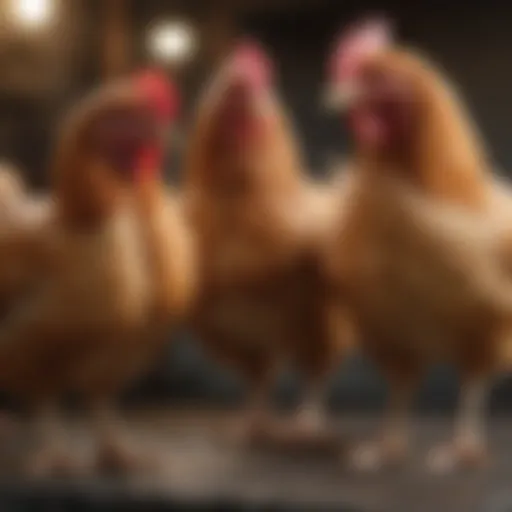
The universe of chicken breeds is vast and diverse. From the prolific Leghorn, capable of producing an impressive quantity of eggs, to the more ornamental breeds like Silkies which lay fewer eggs but bring charm to your yard, each breed has its niche. It’s vital to weigh factors such as egg production rates, hardiness, and even personality traits. For example, some breeds may be more skittish around people, while others are as friendly as a dog.
A good starting point for anyone interested in the nuances of chicken breeds would include visiting websites such as Wikipedia for their breed directories or engaging with community discussions on Reddit where enthusiasts share firsthand experiences.
Egg Production Basics
Now that you’ve narrowed down your choices to a few breeds, let’s talk about what really matters: egg production. Egg-laying chickens typically start producing eggs at around five to six months old, depending on the breed. They can lay anywhere from a couple of eggs a week to over a dozen. It’s not only about quantity; the quality of eggs—size, shell strength, and nutritional content—all plays a significant role in overall productivity.
To maximize egg yield, owners should consider factors such as:
- Nutrition: Chickens require a balanced diet, rich in proteins and vitamins, to support their egg-laying capabilities.
- Lighting: Chickens need adequate sunlight; generally, around 14-16 hours of light daily promotes optimal laying.
- Environment: Clean, spacious surroundings help keep chickens happy and productive.
Understanding these basics sets the groundwork for successful backyard egg production.
"Raising chickens isn’t just about the eggs; it’s about cultivating an entire ecosystem that promotes health for both the owner and the flock."
Whether you’re after just a few eggs a week or you’re looking to start a small-scale egg business, the foundational knowledge you build here creates a ripple effect throughout your chicken-keeping journey.
Local Breeders
Local breeders are an essential part of acquiring chickens that lay eggs. Choosing a local source often proves advantageous due to the close-knit nature of these small operations. When you consider owning chickens, sourcing them from a local breeder can be as refreshing as a cool breeze on a summer day. They typically have a wealth of knowledge about the specific breeds they raise, and they can provide insights that big commercial hatcheries may lack. Moreover, local breeders are generally more invested in the welfare of their birds than mass producers, which often means healthier stock.
Finding a Reputable Breeder
To find a reputable breeder, you need to do a bit of digging, quite like searching for buried treasure in your backyard. Start by asking around in your community or checking local online forums. Websites like Reddit often have dedicated groups where experienced chicken keepers share leads to trustworthy breeders. It’s worthwhile to also visit any local agricultural fairs or farmers' markets to make face-to-face connections.
When checking out a breeder, look for the following characteristics:
- Credentials: See if they are part of chicken breed associations. Many reputable breeders will be members of organizations that promote animal husbandry best practices.
- Housing Conditions: Visit the breeder's farm if possible. Observe how the chickens are housed and cared for. Clean and spacious conditions are a good sign.
- Health Records: Ask for health guarantees or records. This is like having a clean bill of health for your new feathery friends.
- References: Don’t hesitate to ask for references from previous customers. Positive reviews could be the icing on the cake.
Overall, take your time while selecting a breeder. Sometimes a little patience can yield a flock that rewards you with eggs for years to come.
Advantages of Local Breeders
Opting for local breeders to source your laying hens has some enticing perks. Firstly, it allows you to support small businesses in your community. This isn’t just about buying chickens; it’s about investing in your local economy, too. Plus, the relationships you build can often lead to better care advice, ongoing support, and a network of fellow chicken lovers.
In addition to this, local breeders can often provide chickens that are better suited to local climate conditions. Unlike commercial operations that may focus on efficiency over adaptability, local breeders often prioritize the breeds that thrive well in specific regions.
Here are some of the noteworthy advantages:
- Knowledge: Local breeders possess experience and can offer tailored advice specific to your area.
- Healthier Birds: They tend to care more about bird health and well-being, resulting in robust chickens.
- Personal Touch: You’re more likely to get that small-town personal interaction, which can make you feel more connected to your birds' origins.
"Finding the right birds for your coop isn’t just about the eggs they produce; it’s about the relationship formed from the ground up."
So, while your journey to owning egg-laying chickens might begin with enthusiastic choices online or at hatcheries, don’t overlook the charm and fine quality that local breeders can offer. Their personalized attention transforms the mundane task of purchasing chickens into an engaging experience that benefits both you and the chickens.
Farmers' Markets
Farmers' markets serve as vibrant hubs where local farmers and producers sell their goods directly to the community. They offer an excellent opportunity for chicken enthusiasts to find chickens that are not only capable of laying eggs but also are likely to be healthy and well-cared-for. When you’re looking to acquire chickens, farmers’ markets can be a reliable source due to the personal connection you often form with the sellers. This allows you to ask questions about the chickens’ backgrounds, health, and needs directly.


Navigating Farmers' Markets
When attending a farmers' market in search of laying chickens, it’s good to come prepared. First off, it helps to know the hours of operation because many markets may only run on specific days of the week. Look up the vendor list ahead of time if it’s available. This will give you a good idea of which vendors specialize in poultry.
Also, be sure to arrive early. The best selection typically goes fast, and by midday, your choices might be limited. Engage with the vendors when you arrive; they can provide insights about their chickens' laying capabilities, typical breed behaviors, and any special care instructions. Interacting with the sellers often leads to fruitful conversations, revealing tips and tricks for raising your future flock.
What to Look For When Buying
When perusing the selection of chickens at a farmers' market, keep an eye out for several factors that denote healthy and productive birds:
- Physical Appearance: Look for chickens that exhibit healthy plumage, bright eyes, and a lively demeanor. Feathers should be smooth and shiny, signaling good health.
- Age: If you’re seeking chickens that lay eggs, consider birds aged around 18 weeks or older. This is typically when hens start laying.
- Breed Suitability: Each breed has its own egg-laying capabilities. Popular breeds include Rhode Island Reds, Leghorns, and Australorps. Inquire about the specific breeds being sold.
- Temperament: Chickens with calm, friendly dispositions are often easier to manage, especially for first-time owners.
- Health History: Don’t hesitate to ask the seller for information on the health history and vaccination status of the chickens.
Adopting a hand-on approach can make a world of difference.
"Farmers' markets are a fantastic environment to learn and develop connections that will be beneficial in your chicken keeping journey."
Overall, taking the time to engage properly at farmers’ markets can reap incredible rewards, both in finding the perfect laying chickens and in gaining valuable insights related to their care.
Hatcheries
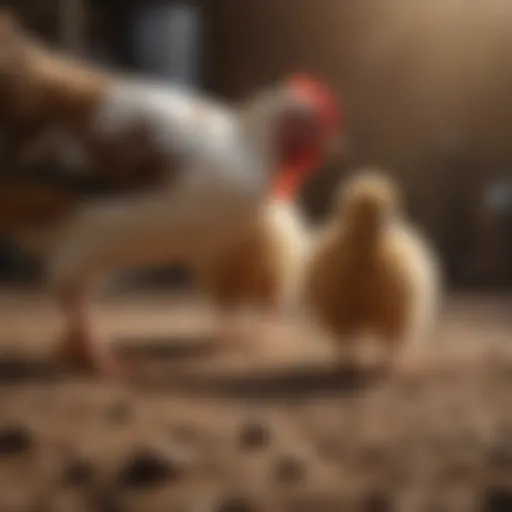
Hatcheries play a crucial role in the pursuit of finding chickens that lay eggs. They serve as a primary source for acquiring healthy, vibrant chicks that are often bred for individuals looking to maintain a productive flock. When you think about it, hatcheries are essentially the entry point for many aspiring poultry keepers. Whether you're interested in backyard hens or a more extensive egg-laying operation, understanding what a hatchery offers can pave the way for a successful poultry-keeping experience.
One of the significant benefits of hatcheries is the diversity of breeds available. They often stock various egg-laying chickens, from well-known layers like the Leghorn to the charming Rhode Island Red. The staff is typically knowledgeable in their breeds, providing insights into the characteristics and egg production potential of each type. This level of expertise is invaluable, especially for beginners who may not be familiar with the specific needs of different breeds.
Another element to consider is the health standards maintained by reputable hatcheries. Many are committed to high health and biosecurity standards, ensuring that you are bringing home chicks that are less likely to carry diseases.
> Choosing chickens from a reliable hatchery means investing in the health and productivity of your future flock.
In addition, hatcheries offer the convenience of purchasing chicks directly, often allowing for a smoother and more streamlined buying process. However, this convenience is not without its considerations. You need to be cautious about factors like shipping policies, temperature controls, and availability, all of which can impact the vitality of your chicks.
Selecting a Hatchery
When it comes to selecting a hatchery, thorough research is essential. You’re not just looking for a quick purchase; you want to ensure that the hatchery practices responsible breeding and provides healthy chicks. A good starting point is to look for hatcheries that are registered and have certifications. For example, hatcheries registered with the American Poultry Association (APA) tend to adhere to strict guidelines, minimizing potential health issues.
It's wise to consult reviews and testimonials from previous customers. Positive feedback can guide you toward trustworthy sources, while complaints can serve as warning signs. Additionally, online communities, such as relevant subreddits or Facebook groups, can be goldmines for shared experiences and recommendations from fellow chicken enthusiasts. Here are some factors to evaluate:
- Reputation: Years in business, testimonials, and customer reviews.
- Biosecurity Measures: Their approach to prevent diseases among stocks.
- Diversity of Breeds: Availability of the specific laying breeds you are interested in.
Direct Purchases from Hatcheries
Purchasing directly from hatcheries streamlines the process of acquiring laying chickens. Most hatcheries offer an easy-to-navigate website where you can browse available breeds, check prices, and even pre-order for future seasons. It's common for hatcheries to have an online catalog complete with pictures and detailed descriptions of each breed, helping you make a more informed choice about what to purchase.
One cautious aspect of direct purchases is the shipping of your newly acquired chicks. If you choose this option, make sure to read up on their shipping methods. Conditions during transit can be harmful to the chicks, so hatcheries with optimally controlled shipping practices should be at the top of your list. Look for hatcheries that explicitly state their commitment to ensure that the chicks are healthy upon arrival, typically by having them shipped on specific days to ensure optimal handling.
In summary, hatcheries are an essential pillar in sourcing egg-laying chickens. The importance of selecting a reliable hatchery simply cannot be overstated—it can be the difference between a thriving flock or a challenging experience. So, whether you're gathering eggs for your breakfast table or selling them at local farmers' markets, starting with a reputable hatchery sets a solid foundation for your chicken-raising journey.
Online Retailers
In today's digital world, sourcing chickens that are notable for their egg-laying capabilities has become as convenient as a click of a button, thanks to online retailers. This segment not only diversifies your options but also connects you with breeders and hatcheries that might be beyond your local reach. In a realm where convenience meets accessibility, online sources provide layers of advantages essential for both novice and seasoned poultry enthusiasts.
Benefits of Online Retailers
- Wider Selection: Unlike local stores that might have limited stock, online retailers often feature a variety of breeds. Whether you're after the agile Leghorn or the hardy Orpington, the odds are you’ll find what you need online.
- Price Comparisons: Browsing through different sites allows you to easily compare prices, ensuring you get the best deal for your new feathered friends.
- Established Reviews: Many reputable sites feature customer feedback which can guide you in making informed decisions before you hit 'buy'. This level of transparency is essential in verifying the integrity of the sellers.
- Convenience: You can shop from the comfort of your home, making it a feasible option for busy individuals.
Identifying Reliable Online Sources
Choosing a trustworthy online retailer is akin to finding a needle in a haystack—easy enough if you know where to look. The difficulty lies in the sheer volume of options available. Here are some tips to help you identify reliable online sources.
- Research Breeders: Websites like the American Poultry Association (www.amerpoultryassn.com) can lead you to recognized breeders. Their credentials may indicate a commitment to quality.
- Check for Certifications: Look for organizations that certify animal welfare standards. This can ensure you're buying from a source that adheres to ethical practices.
- Read Reviews and Testimonials: Online platforms like Reddit (reddit.com) often have communities discussing poultry care. Such forums can be an invaluable resource for identifying reputable sellers.
- Contact Customer Service: A quick call or message can give you insight into the retailer’s responsiveness and customer service policies before making a purchase.
Shipping Considerations
Shipping chickens is not as straightforward as ordering a standard package. Numerous factors can come into play that are worth discussing before you decide to buy.
"Always read the fine print regarding shipping policies, especially for live animals!"


- Timing: Many retailers ship their chickens at certain times of the year to avoid extreme weather conditions which can be harmful to the birds. Understanding these timelines will help you plan your purchase accordingly.
- Packaging: Businesses that specialize in shipping live animals will often use specific packaging to ensure safe travels for the chickens. Look for descriptions that detail how the chickens will be transported.
- Insurance: Some breeders offer shipping insurance. This is worth considering, especially for valuable breeds.
- Local Laws and Regulations: Familiarize yourself with your state or municipality's regulations regarding the import of livestock. There may be rules around visiting certain breeds and if you’re allowed to keep chickens in your locale.
By carefully selecting your online retailer and being aware of the nuances of shipping, you can significantly improve your chances of successfully obtaining healthy, vibrant egg-laying chickens.
Rescue Organizations
Benefits of Adopting Rescue Chickens
Adopting chickens from rescue organizations comes with a host of benefits:
- Compassionate Choice: By choosing to adopt instead of shop, you're giving a second chance to a bird that may have faced grave circumstances. This feels good for the heart and the soul.
- Cost-Effective: Many rescue organizations charge lower adoption fees compared to purchasing chickens from breeders or hatcheries. These fees often contribute to the organization’s mission and care for other animals in need.
- Health and Care: Rescued chickens are usually vetted, vaccinated, and sometimes even spayed or neutered, depending on the organization. This can save new chicken owners time and money in the long run.
- Variety of Breeds: Rescue organizations may offer a diverse array of breeds, giving prospective owners an opportunity to find chickens that are well-suited for egg production but perhaps aren’t available in more commercial outlets.
- Community Support: When you adopt from a rescue, you’re often gaining access to a community of fellow chicken enthusiasts who are willing to share tips, insights, and experiences to help you succeed in your new journey.
"Adopting a chicken can truly make a difference, both in the love you'll give and the life you'll help foster."
How to Find Rescue Groups
Finding rescue organizations that specialize in chickens is easier than one might assume:
- Local Searches: Utilize social media platforms like Facebook or community boards to locate local rescue groups. Many of these organizations maintain active online presences, showcasing their available chickens and rescue stories.
- Networking: Engaging with local farmers or poultry enthusiasts can lead to recommendations for rescue organizations. Often, word of mouth is a powerful tool for connecting to these resources.
- Humane Societies: Many humane societies and animal shelters include poultry in their adoption programs. It's worth checking if they have chickens available for rehoming.
- Online Resources: Websites like
- Meetups and Fairs: Look for local poultry expositions, farmers’ markets, or community fairs where rescue groups may set up booths. These events often feature chickens needing homes.
- Petfinder
- Adopt a Pet can also be helpful in locating rescue organizations that have chickens up for adoption.
By engaging with these rescue organizations, not only do you gain a delightful addition to your household, but you also become part of a larger effort to support animal welfare.
Selecting the Right Breeds
Choosing the right breed of chicken is a considerable factor when looking to acquire egg-laying hens. Not all chickens are created equal; some excel at producing eggs, while others might not meet the expectations. It's essential to consider various aspects, including egg production rates, temperament, and adaptability to your environment. This decision impacts not only your immediate needs but also your long-term success in poultry keeping. Selecting breeds that are well-suited for your climate and personal preferences can lead to a happier flock and a bountiful egg yield.
Top Breeds for Egg Laying
When it comes to egg production, certain breeds stand out from the crowd. Here are a few popular choices:
- Leghorn: Known to be hardy and prolific, Leghorns can produce approximately 280 eggs a year. They are very active and require plenty of space to roam.
- Rhode Island Red: This dual-purpose breed not only lays a good number of eggs but also provides meat. They typically lay around 250 eggs per year and are well-suited for various environments.
- Plymouth Rock: With a friendly disposition, Plymouth Rocks lay around 200-250 eggs yearly. They adapt well to different climates and are a good choice for beginners.
- Australorp: Renowned for their excellent egg production, Australorps can produce about 300 eggs annually. They are known for their calm nature, making them suitable for families.
These breeds are among the best for ensuring a steady supply of eggs, but it’s crucial to align your choice with your specific goals and circumstances.
Egg Production Rates by Breed
Egg production rates can vary significantly among different chicken breeds. The following categories outline general egg-laying capabilities:
- High Producers: Breeds like the Leghorn and Australorp often produce more than 250 eggs annually, making them favorites for those seeking maximum yield.
- Moderate Producers: Breeds such as the Rhode Island Red and Plymouth Rock generally lay between 200 to 250 eggs a year. They balance egg production with adaptability and friendliness.
- Low Producers: Some breeds, though lovely and charismatic, may only lay 100 to 150 eggs in a year. They could be a good addition for those more focused on temperament rather than egg yield.
It's imperative to assess your expectations before choosing a breed. If you seek high production rates, it makes sense to opt for breeds that are naturally inclined to lay well.
Climate and Breed Suitability
Not all chickens thrive under the same environmental conditions. It's vital to consider climate suitability when selecting your breeds.
- Cold Climates: Breeds like the Plymouth Rock and Jersey Giant are known to withstand colder temperatures, thanks to their heavier body types and thicker plumage. Thus, they can continue to lay eggs well into the winter months.
- Hot Climates: In contrast, Leghorns fare better in warmer environments. Their active nature and heat tolerance make them ideal for warm areas, where other breeds might struggle with egg production.
To make an informed decision, evaluate your local climate and choose breeds accordingly. Knowledge about the chickens' capabilities in relation to your environment will set you on a path to successful poultry keeping.
"Selecting the right breed is half the battle in egg production; breed characteristics can influence not just yield but also the joy of keeping poultry."
By paying attention to these factors, you’re likely to find the ideal egg-laying chickens that best fit your needs.
Post-Purchase Considerations
Once you've successfully acquired your chickens, the journey doesn’t quite end there. Post-purchase considerations are essential to ensure that your layers thrive and produce eggs efficiently. This stage is about providing the right environment and care for your feathery friends. Understanding these aspects can be the difference between a flock that flourishes and one that struggles.
Housing Requirements
A suitable home is like a cozy blanket for your chickens. Proper housing not only protects them from the elements but also keeps them safe from predators. Here are some key points to keep in mind:


- Space Requirements: Chickens need enough room to move around comfortably. Generally, each bird should have at least 4 square feet inside the coop and 10 square feet in an outdoor run.
- Ventilation: Good airflow is crucial to prevent moisture buildup and ammonia from droppings. Ensure that your coop has sufficient windows or vents, while still being protected from drafts.
- Nesting Areas: Provide nesting boxes, usually one box for every 3-4 hens. Fill them with straw or shavings to create a comfortable laying space.
- Roosting Bars: Chickens naturally like to perch. Install roosting bars higher than the nesting boxes to encourage sleeping away from eggs.
Think of your coop as a sanctuary. If they feel secure, they are more likely to lay those eggs reliably.
Nutrition for Optimal Egg Production
Just like us, chickens need a balanced diet to perform at their best. Proper nutrition plays a significant role in egg production. Here’s what you should focus on:
- Layer Feed: Once hens start laying eggs, switch to a high-quality layer feed that contains at least 16% protein and is rich in calcium. This supports both egg quality and chicken health.
- Fresh Water: Access to clean and fresh water is non-negotiable. Dehydration can significantly affect egg production and overall health.
- Supplementation: Occasionally, you might consider providing grains or kitchen scraps. However, avoid giving them any food that could be harmful, like onions or chocolate.
- Calcium Sources: You may supplement their diet with crushed oyster shells to further enhance the calcium intake, facilitating stronger egg shells.
Feeding your chickens right is akin to giving someone a hearty meal; it fuels their productivity.
Health Considerations for Your Flock
Keeping a close eye on your chickens' health is paramount. When hens are healthy, you can bet your boots they’ll be laying consistently. Here are a few essential health checks:
- Vaccinations: Ensure that your chickens are vaccinated against common diseases like Marek's disease or coccidiosis. Consult with a vet to determine the best vaccination schedule.
- Regular Health Checks: Look for signs of illness, such as lethargy, abnormal droppings, or changes in appetite. Early detection can save you part from heartache.
- Parasite Control: Worms and lice can cause issues. Implement a regular deworming schedule and maintain cleanliness in and around the coop.
- Integration: If you’re introducing new chickens to an existing flock, do it carefully. Quarantine newcomers for a few weeks before integration to prevent the spread of potential diseases.
By staying proactive about your flock's health, you are setting the stage for successful egg production. You might say, an ounce of prevention is worth a pound of cure.
End
In summary, after acquiring your chickens, focus on their housing, nutrition, and health. These factors play a crucial role in sustaining your flock and maximizing egg production. Each tiny detail contributes to creating an ideal environment, fostering well-being, and achieving your egg-laying goals. If you keep each of these elements in check, you’re on your way to a happy chicken journey.
"A well-cared-for chicken is a happy chicken, and a happy chicken lays the best eggs."
For further reading, you might find helpful resources like Wikipedia, or check in with communities on Reddit.
Common Challenges in Chicken Keeping
Keeping chickens isn't all sunshine and rainbows; it's akin to tending a vibrant garden that can sometimes have its weeds. Understanding the common hurdles that come with chicken keeping is essential for anyone wanting to embrace this rewarding adventure. From pests that linger in the shadows to managing how often your chickens lay, these challenges can impact the well-being of both the birds and their owners. This section will shed light on two significant challenges: protecting your flock from predators and managing egg production levels.
Predators and Protection Strategies
When you decide to keep chickens, one of the most pressing concerns is the threat posed by predators. It’s a cruel world out there, and these birds are often seen as easy targets for creatures big and small. Raccoons, foxes, hawks, and even domestic dogs can wreak havoc on your flock if preventive measures aren't taken. The consequences can be distressing; losing a chicken not only impacts your egg supply but can also be an emotional burden.
To safeguard your hens, consider implementing a multi-layered approach:
- Secure Housing: A well-built coop with sturdy locks can deter most ground-level threats. Ensure the walls are robust, and the doors shut tightly.
- Run Protection: Enclose your run with chicken wire or hardware cloth, burying it a few inches underground to thwart burrowing animals.
- Predator Guards: There are electric fences available that can provide an effective barrier, especially in high-risk areas.
"The best way to protect your flock is to be proactive, not reactive."
- Safe Roaming: If your hens roam freely, accompany them outdoors whenever possible. If not feasible, consider supervised free-range days.
- Community Awareness: Working with local animal control and your neighbors can establish a mutual defense against local wildlife threats, paving the way for less stress and a safer environment for your flock.
Managing Egg Production Levels
It's not just about having henhouses full of chickens; it's about ensuring those chickens are healthy and productive. The level of egg production can fluctuate due to various factors, including age, health, and environmental conditions. Experienced chicken keepers often face periods where egg production dips unexpectedly, and knowing how to manage this can be the difference between a fulfilling egg supply and frustration.
Age is a primary consideration. Hens tend to lay most consistently when they’re between six months to two years old. After that, their production may taper off. Factors affecting egg laying can also be complex:
- Stress Factors: Changes in routine, such as moving the flock or introducing new birds, can stress hens and lead to reduced laying.
- Regular Health Check-ups: Routinely check for signs of illness or distress among your birds, as health issues can drastically reduce their egg-laying capabilities.
- Nutrition: Make sure your flock is fed a balanced diet rich in the appropriate nutrients, such as protein, calcium, and vitamins. Poor nutrition can lead to weak eggshells and reduced laying rates.
- Lighting Conditions: Chickens need a consistent light schedule to maintain their laying patterns. Typically, they require around 14-16 hours of light daily to maximize egg production.
Being aware of these influences allows you to adjust and adapt your care techniques. Monitoring your flock, adjusting their environment, and being patient can lead to more fruitful results over time. Keeping a diary might also help you track changes and identify patterns related to egg production.
In summary, chicken keeping is a delightful venture that does come with its challenges. However, with a little foresight and an understanding of potential pitfalls, you can create a thriving environment for your flock.
Epilogue
Acquiring chickens that lay eggs is more than just a hobby; it’s a commitment that brings with it a multitude of benefits. This article has traversed various avenues available to potential chicken owners, covering local breeders, hatcheries, online retailers, farmers' markets, and even rescue organizations. Each source presents unique advantages and challenges, but the crux of the matter lies in understanding your specific needs and circumstances.
Final Thoughts on Acquiring Laying Chickens
When it comes to selecting the right laying chickens, factor in not just the breed but also your environment and lifestyle. Once you’ve settled on a source, such as a reputable local breeder or an ethical hatchery, you’ll want to consider the age and health of the chickens. Young hens often produce more eggs but require a good chunk of time and care to reach their peak productivity.
- Before committing, assess:
- Your living space: Do you have enough room and resources to accommodate your flock?
- Local regulations: Are there any zoning laws in your area that restrict chicken keeping?
- Support network: Are there local groups or enthusiasts you can turn to for advice and assistance?
Retrieving laying hens requires careful considerations. It’s not solely about egg production—there's a sense of connection with the animals and a greater appreciation for sustainable living that develops.
"The greatest gift of the garden is the restoration of the five senses."—Hanna Rion