Comprehensive Guide to Duck Breeds and Their Traits
Intro
Ducks are not just charming aquatic birds; they are also fascinating creatures that come in a wide variety of breeds, each with unique characteristics and temperaments. Whether you're a budding enthusiast thinking about raising ducks or a seasoned owner looking to expand your flock, understanding the different breeds available is key.
This guide delves deep into the eclectic world of duck breeds, aiming to equip readers with essential knowledge on their distinctive features, behaviors, and care requirements. From the stately Pekin to the wildly charming Call duck, each breed has its own quirks that make it special. Images will accompany the descriptions, providing a visual feast that brings these waterfowl to life, allowing one to see their colors and personalities, which is just as essential as the words.
Duck ownership is not merely an aesthetic pursuit; it involves responsible care and understanding their needs, be it grooming, health, or training. Readers can expect detailed breakdowns of grooming techniques, health tips, and training methods tailored specifically for the various breeds. In essence, this guide serves as a bridge for connection, enriching the reader’s experience and knowledge while fostering a deeper appreciation for these delightful creatures.
Prolusion to Duck Breeds
Diving into the world of ducks opens up a fascinating landscape of characteristics, behaviors, and practical considerations that can be paramount for anyone looking to keep these remarkable fowl. Ducks are not just charming additions to backyards; they can be versatile pets, efficient pest controllers, and even significant contributors to egg and meat production. Understanding the various duck breeds allows prospective owners to make informed choices that align with their lifestyle and goals.
Understanding Duck Varieties
Ducks come in a smorgasbord of varieties, each with unique attributes. From the classic Pekin and the exotic Muscovy to the charming Indian Runner, each breed has its distinct personality traits and physical characteristics. When choosing a breed, one must consider various factors:
- Size: Some breeds, like the Pekin, are larger and require more space, while smaller breeds can be more adaptable to confined spaces.
- Temperament: Ducks can be calm or assertive, which may affect their compatibility with other pets or children.
- Egg Production: If eggs are the goal, different breeds have varying laying capacities, so knowing which breeds are prolific layers can save time and effort.
Understanding these varieties provides a solid foundation for making well-rounded choices when it comes to duck ownership.
Importance of Breed Selection
Choosing the right breed can make all the difference in ensuring that your experience with ducks is positive and rewarding. This decision is not merely about aesthetics; it influences everything, from your daily interactions to the overall dynamic of your homestead. Consider the following key aspects when selecting a breed:
- Compatibility with Environment: Some ducks thrive in colder climates, while others can handle heat better, contributing to their overall well-being.
- Purpose: Whether you're raising ducks for companionship, eggs, meat, or pest control, identifying why you are introducing ducks into your life is crucial. For instance, some breeds excel at foraging and can significantly reduce pests in gardens.
- Care Requirements: Different breeds have varying needs for space, socialization, and nutrition. Picking a breed that matches your capacity for care helps prevent stress for both you and the ducks.
Diving deep into the nuances of duck breeds helps you avoid common pitfalls.
"The right breed can turn a simple hobby into a fulfilling experience, while the wrong choice might lead to unnecessary frustration and challenges."
The key takeaway is that breed selection is not just a choice; it's a commitment that requires thoughtfulness and understanding.
In summary, a comprehensive exploration into duck breeds is crucial for anyone interested in these fascinating waterfowl. Knowing about the distinct varieties enables prospective owners to enjoy their unique characteristics, ensuring that both owners and ducks lead fulfilling lives together.
Domestic Duck Breeds
Understanding domestic duck breeds is crucial for anyone looking to delve into the world of duck husbandry or simply wanting to understand the varieties available today. Domestic ducks are bred primarily for specific traits such as egg production, meat quality, or temperament. In this section, we aim to highlight the distinctive characteristics of various domestic breeds, offering insights into their suitability for different purposes—from family pets to productive farm birds.
Pekin Duck
Physical Characteristics
Pekin ducks are popular for their robust body and white feathers, which make them easily recognizable. Their slightly rounded bodies and bright orange bills distinguish them in the poultry world. Their plumage, deep body, and short neck contribute to a stocky appearance. Known for their weight gain, Pekin ducks can reach a market weight quickly, making them a favorable choice for those interested in meat production. The clean white look not only adds to aesthetic appeal but also hints at their generally healthy livestock profile. When raising Pekin ducks, the sheer size they can achieve in a short amount of time becomes a key selling point.
Caring for Pekin Ducks
Caring for Pekin ducks involves understanding their space and social needs. These birds thrive in flocks, so keeping at least three or four together is often recommended. Regular access to fresh water for swimming and drinking is essential for their health and well-being. One thing to consider is their feeding habits; they enjoy a diet rich in grains and vegetables, which helps maintain their health. Pekin ducks are relatively hardy, but owners should be cautious of potential health issues like obesity, so balanced nutrition is paramount.
Common Uses
Pekin ducks serve multiple purposes in domestic settings. They are primarily known for meat production, as they can reach harvest size in about eight weeks. They also lay a decent number of eggs, although egg production isn’t their main focus compared to other breeds. Farmers commonly choose Pekin ducks due to their versatility; not only can they provide meat, but they can also contribute to egg-laying if the situation calls for it. This dual-use feature makes Pekin ducks a staple in many backyard flocks.
Muscovy Duck
Distinctive Traits
Muscovy ducks stand out for their unique appearance, featuring a varied feather coloration along with prominent red facial caruncles. Unlike typical domestic ducks, Muscovies are not as docile; they tend to have more personality, which can be a double-edged sword. Their striking looks and independent nature make them captivating pets and beneficial additions to diverse farm environments. Choosing a Muscovy means opting for a bird that showcases individuality alongside practical uses.
Temperament and Behavior
Muscovy ducks have a reputation for being a bit more standoffish compared to other breeds, but they also tend to form strong bonds with their human caregivers. Their unique temperament can make handling them a bit tricky, especially for novice owners. However, once accustomed to their environment, they often display quirky behaviors that can be quite entertaining. Training and socializing them early on become vital, as it can positively affect their behavior over time.
Breeding and Care
Caring for Muscovy ducks involves a few specific considerations. They are generally low-maintenance compared to other breeds, needing clean water, space to roam, and protection from predators. Muscovy ducks are less likely to nest in confined spaces, which means they need a secure area to lay eggs. This breeding preference could pose challenges for those looking to raise them for egg production. Observing natural behaviors can help understand how best to provide for their needs.
Indian Runner Duck
Unique Appearance
The Indian Runner duck is renowned for its upright posture and streamlined shape. These birds come in a variety of colors, from the classic white to a range of mixed colors, making them visually appealing across the board. The sleek body structure is not just for show; it allows them to be excellent foragers. Their distinctive appearance and agility make them a fascinating breed to raise, adding both beauty and function to any flock.
Egg Production
Indian Runner ducks rank among the top layers in the domestic duck world. Their capability of producing a high number of eggs, often exceeding 300 per year, has made them a favorite among egg enthusiasts. The eggs are oval, and depending on the breed variant, colors can range from white to light green. For those focused on egg production, Indian Runners can provide consistent returns, proving both practical and rewarding.
Social Behavior
This breed is known for its lively and curious nature. Indian Runner ducks are highly social birds who thrive in groups. Their interaction habits can create a lively atmosphere in a backyard or farming setup. However, when isolated, they may show signs of stress, which could impact their health. Ensuring they have companionship is crucial for their well-being. Understanding the social dynamics of Indian Runners will help the owner cultivate a healthy environment for them.
Khaki Campbell
Egg-laying Abilities
Khaki Campbell ducks are well-regarded for their impressive egg-laying capabilities. They can produce around 300 eggs annually, placing them among the best layers in the domestic duck sector. Their eggs are medium-sized and well sought after due to their flavor. If egg production is a priority, Khaki Campbells are immensely beneficial, making them an obvious choice for many backyard poultry keepers who want maximum return from a single breed.
Care and Management
Managing Khaki Campbells isn't overly complicated. They require adequate nutrition, containing a mix of grains and greens, to optimize egg production. Regular monitoring of their health, particularly their weight and egg-laying patterns, can prove advantageous. A proper diet combined with adequate shelter will help realize their full potential as egg layers.
Physical Features
Physical characteristics of Khaki Campbell ducks include their brownish, khaki-colored plumage, which offers a certain rustic charm. They have a stocky build and an often inquiring look in their eyes, adding to their appeal. The unique color palette and short neck add charm; however, this can sometimes make them less sought after purely for ornamental purposes. Nonetheless, their practical advantages in egg production often outweigh any aesthetic concerns.
Wild Duck Breeds
Understanding wild duck breeds plays a crucial role in the broader comprehension of duck species. These birds are not just mere inhabitants of the wetlands; they are indicative of environmental health and biodiversity. Observing their unique characteristics and behaviors enriches knowledge for both amateurs and experts alike. Wild ducks serve as an essential component of our ecosystems, and their health often reflects the wellbeing of their habitats. The significance of these breeds extends beyond their ecological roles, making them subjects of study for conservationists and waterfowl enthusiasts. Through exploring wild duck breeds in this guide, one gains insight into the complexities of nature, fostering a deeper appreciation for wildlife management and preservation efforts.
Mallard Duck
Habitat and Distribution
The Mallard duck is perhaps one of the most recognizable among wild ducks, often seen in urban parks and rural marshes alike. They thrive in a variety of habitats, ranging from freshwater lakes to city ponds. Their adaptability is a key characteristic in their success as a species. The widespread presence of mallards across continents underscores their resilient nature. Often found in temperate and subpolar regions, Mallards migrate seasonally in search of food and suitable nesting sites. This migratory behavior allows them to take advantage of diverse environments, ultimately benefiting their survival and reproduction.
Finding Mallards in various locales provides insight into habitat variability, which can be advantageous for both researchers and bird watchers. Their versatility is a key reason they serve as indicators of environmental health. Observing their presence in an area signals thriving ecosystems that can sustain diverse nature. However, one must also tread carefully, as urbanization often encroaches on their preferred habitats.
Mating and Nesting Habits
The mating and nesting habits of the Mallard are equally fascinating. They typically form long-term pair bonds, which is rare among waterfowl. Males often display vibrant plumage to attract females during the breeding season. Mallards tend to nest in secluded areas near water sources, often choosing dense vegetation to provide cover from predators. This habitat choice offers safety for their eggs and ducklings, which is critical in the early stages of life.
Unique to them is the behavior of the female, who is responsible for incubation. After laying around 8 to 12 eggs, she incubates them for about 28 days. When the ducklings hatch, they are precocial, meaning they can feed themselves almost immediately. This unique feature contributes to their survival rates, allowing them to quickly adapt to their surroundings. However, nesting success can be influenced by environmental factors, including weather and predation.
Recognition Features
Mallards are easily recognizable, primarily due to their distinct coloration. Males sport a striking green head, while females are mottled brown, offering better camouflage. Their vibrant colors not only serve aesthetic purposes but also play a role in species recognition and mate selection. The unique quack of a Mallard can also set them apart from other ducks, as their vocalizations vary between genders, contributing to social dynamics during breeding seasons.
This clear identification is beneficial for bird enthusiasts, as recognizing them in the wild aids in study and conservation efforts. However, one must be vigilant, as their similarities to other ducks can lead to confusion, particularly among migratory species.
Wood Duck
Conservation Status
The conservation status of the Wood Duck has seen notable shifts. Once reduced to near extinction due to habitat loss and hunting, concerted conservation efforts have allowed its population to rebound in many areas. They are now classified as a species of "Least Concern"; however, vigilance remains necessary. Conservationists advocate for maintaining and protecting their wetland habitats, which continue to be under threat from human activities.
Keeping a close eye on the population dynamics of Wood Ducks and their habitats ensures that any reduction in their numbers can be promptly addressed, thereby securing their future. Understanding conservation needs brings awareness of broader environmental issues affecting wildlife.
Physical Description
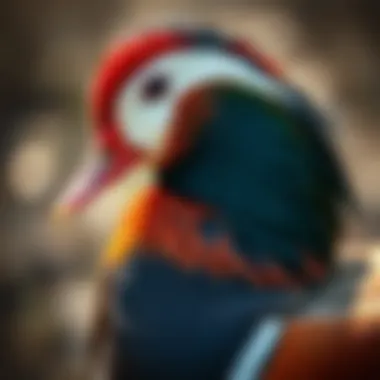
Physically, the Wood Duck is a striking bird, often considered one of the most beautiful waterfowl. Males flaunt iridescent plumage with rich colors of green, purple, and white, while females display a more subdued brown. The unique appearance of their feathers is not only for attracting mates but can also confuse potential predators can serve as a significant survival advantage.
Their distinctive features, such as the red eyes and the characteristic "whistle" during flight, are defining traits that contribute to their allure. This beauty often makes them a favorite among bird watchers and photographers, creating opportunities for eco-tourism and educational endeavors that spotlight their conservation needs.
Behavioral Patterns
Wood Ducks exhibit unique behavioral patterns, often preferring to nest in tree cavities rather than on the ground. This nesting preference is an adaptation that protects their young from many terrestrial predators. Moreover, they are known to be highly sociable birds, often seen in pairs or small groups. Their ability to fly swiftly through dense woods and their penchant for foraging on various food items, from seeds to small insects, highlight their adaptability.
Behaviorally, their preference for wooded wetlands can create challenges in human-dominated landscapes, as these areas are increasingly being replaced by agricultural uses. Understanding their behaviors not only aids in their conservation but also opens a window for other species inhabiting similar environments.
Northern Pintail
Migration Patterns
Northern Pintail ducks are renowned for their long migratory journeys. They travel thousands of miles between breeding and wintering grounds, taking to heart the changing seasons. Pintails breed primarily in North America, preferring northern wetlands and prairies. When winter approaches, they migrate south to warmer locales including southern United States and Central America.
This migratory pattern underscores their resilience and adaptability to climate changes and habitat availability. However, migration may introduce risks, as many Pintails face threats from habitat loss during their travel routes, which makes the preservation of migratory corridors a priority for conservationists.
Feeding Behaviors
Feeding behaviors of Northern Pintails are distinguished by their dabbling-specific habits. They primarily feed on seeds and tender shoots found in shallow waters, making ecosystems rich in plants essential to their survival. Their long necks and slender bills allow them to access food sources other duck species may overlook, an advantage that aids in their foraging efficiency.
Understanding their diets reveals the importance of aquatic plant preservation, emphasizing how fragile ecosystems can support diverse avian populations.
Reproductive Habits
The reproductive habits of Northern Pintails show flexibility based on environmental conditions. They typically form monogamous pairs during the breeding season. Females choose nesting sites that offer safety from predators and sufficient food resources. Their clutch sizes average around 6 to 10 eggs, which the female incubates alone.
The adaptability of their reproductive behaviors can contribute to their success; however, regional variations in nesting success can bring challenges. Awareness of these dynamics is essential to bird conservation efforts, as understanding their vulnerability aids in effective habitat management.
Hybrid Duck Breeds
Hybrid duck breeds are an intriguing aspect of the duck world. They often combine the desirable traits of two or more different breeds, resulting in ducks that exhibit enhanced characteristics in terms of egg production, temperament, and adaptability. These hybrids offer various benefits, especially for farmers or hobbyists looking for ducks that stand out for specific needs. Understanding hybrid breeds can help in making informed decisions about what will work best in various settings.
Cayuga Duck
Cayuga ducks are one of the most fascinating hybrid breeds to consider. Originating in the early 19th century in the United States, they were developed from a blend of ducks with origins likely tracing back to the Black East Indie duck. This breed is not just about heritage but about its unique contribution to the overall landscape of duck keeping. The Cayuga is popular because it combines hardiness and beautiful features, making it an attractive choice for small farms and backyards alike.
Origins and Development
The origins of the Cayuga breed are truly captivating. First bred in New York State, particularly around Lake Cayuga, these ducks were cultivated for their striking color and productive nature. What sets them apart is their adaptability to various climates, allowing them to thrive across the country. They boast a rich history, as they were valued for their dark plumage and ability to produce a substantial number of eggs. This quality makes them not only appealing visually but also functional in agricultural settings. Their unique backstory adds a layer of allure as prospective owners consider introducing them into their flocks.
Feather Color Variations
One of the most notable aspects of Cayuga ducks is their feather color. Generally, they start off with a dark black coloration that can gradually develop an iridescent green sheen. This transformation during maturation not only enhances their visual appeal but can also make them recognizably distinct among other breeds. However, there are variations in coloration depending on genetics. The variability can be a double-edged sword: while it offers diversity in appearance, it can also lead to confusion regarding breed standards among those less educated about their unique traits.
Usage in Farm Settings
In farm settings, Cayuga ducks offer versatile utility. They are celebrated not just for their egg-laying capabilities but also for their meat. These ducks can produce upwards of 100 to 150 eggs annually, which is a respectable number compared to other breeds. Their gentle temperament contributes to their integration into mixed flocks without causing disharmony. However, while they are relatively easy to care for, they do require adequate water sources for swimming and foraging, meaning space management becomes crucial in farm planning. This necessity is an area where potential challenges lie, but the benefits of having a productive and showcasing hybrid can outweigh these minor obstacles.
"Understanding the multifaceted nature of Cayuga ducks can significantly enhance your duck-keeping experience, whether you're focused on egg production or aesthetics."
With hybrid ducks like the Cayuga, you not only gain a practical asset for your farm but also enrich the environment with their vibrant presence.
Health and Care of Ducks
When embarking on the rewarding journey of duck keeping, understanding their health and care is paramount. Ducks, like any other pets or livestock, require diligent attention to their physical wellbeing and environment to thrive. This section will delve into the essential aspects of nurturing ducks, focusing on their nutritional needs, potential health issues, and the stability of their living conditions. By prioritizing their health, you can ensure a productive and happy life for your ducks.
Nutrition Requirements
Ducks are not just charming creatures waddling about. Their diet plays a crucial role in their overall health and egg-laying capabilities. A carefully designed nutritional plan can lay the groundwork for robust and happy ducks.
Basic Diet
A well-balanced basic diet for ducks consists primarily of grains, greens, and protein sources. Feed them a mix of commercial duck feed that provides essential vitamins and minerals. Also, adding grains like corn and oats contributes significantly to their dietary needs. What makes this diet beneficial? It's specifically formulated to supply the necessary nutrients that keep ducks healthy and active.
One unique feature of a basic duck diet is that it should be supplemented with fresh vegetables. Greens like lettuce, kale, or spinach provide vitamins and keep their digestive systems running smoothly. Still, care must be taken to avoid overly rich foods that can lead to obesity. The higher nutritional value and palatability of a well-rounded diet promote better growth, egg production, and general vigor in ducks.
Special Dietary Needs
Depending on the age and purpose of the duck, special dietary considerations may arise. For instance, laying ducks have increased calcium requirements. A popular method of enhancing their diet includes offering crushed oyster shells or specialized layer feeds rich in calcium. Having such options boosts the health of the ducks' eggs, making them denser and more nutritious.
Moreover, ducks may have specific needs throughout different seasons. For example, they require more caloric intake during colder months to maintain their body heat. Understanding these special dietary needs helps ensure ducks stay healthy year-round.
Supplements and Treats
Treats and supplements can often provide an added layer of nutrition. Items like corn, peas, or sunflower seeds not only enrich their diet but are also high in protein. Many duck keepers incorporate these as treats; however, moderation is key. Too many treats can negatively impact their main diet.
Even special supplements like probiotics can be handy for maintaining a healthy gut. They can help prevent digestive issues and enhance overall health. Keeping a balance between their regular diet and these additions is vital for their effective health management.
Common Health Issues
Understanding potential health issues is equally vital to ensure your ducks stay in top shape. Ducks, while quite robust, are susceptible to various ailments that can jeopardize their wellbeing. Knowing how to prevent and address these issues is crucial for maintaining their health.
Disease Prevention
A proactive approach to disease prevention includes vaccinations and biosecurity measures. Regular health checkups can catch underlying problems early. Why is this important? Catching issues before they escalate can save you from significant losses and keep your flock thriving.
One unique feature related to disease prevention lies in the cleanliness of their environment. Maintaining a clean living space avoids a range of common diseases caused by bacteria or parasites. Providing fresh water and clean bedding makes a world of difference in safeguarding the ducks' health.
Signs of Illness
Knowing how to recognize signs of illness can be the difference between quick treatment and serious health complications. Look for abnormal behavior such as lethargy, changes in appetite, or unusual droppings. Ducks vocalize differently when they're sick, and observing these changes plays a vital role in swift intervention.
Monitoring their feathers is also essential; ragged or disheveled feathers can indicate stress or illness. Recognizing these signs early creates an opportunity for timely care and management.
Veterinary Care Options
When in doubt regarding your duck's health, consulting a vet with experience in avian medicine is a wise choice. What makes this a beneficial option? A veterinarian can provide accurate diagnoses and tailored treatments.
Local veterinary clinics may not always have ducks’ specific treatment plans, so specialized avian veterinary practitioners can be invaluable. They can also suggest preventive care methods unique to your duck breed, ensuring a well-rounded approach to your ducks’ health management.
Housing and Environment
The environment where ducks live directly impacts their health and happiness. Duck housing setup must accommodate their needs, promoting both safety and comfort.
Space Requirements
Ducks require ample space to thrive. A cramped environment can lead to stress and aggressive behavior among ducks. An ideal setup would provide at least 4 to 5 square feet per duck in their living quarters. This ensures that they can move freely, interact, and establish their social hierarchy without feeling overcrowded.
Furthermore, allowing them access to an outdoor area is beneficial, as it encourages natural behaviors and foraging. The right amount of space can significantly contribute to their overall wellbeing and foster a happier flock.
Water Accessibility
Ducks are waterfowl, so having access to clean water is essential for both hydration and their natural preening behavior. A shallow kiddie pool or a pond can provide them with a space to splash around, keeping their feathers healthy and waterproof.
However, water must be changed regularly to eliminate waste. This not only helps maintain health but creates a more appealing environment for the ducks. Access to clean water is crucial for their hydration and behavioral satisfaction.
Safe Shelter Design
Designing a shelter that ensures safety from predators and harsh weather is crucial. This means sturdy construction and secure fencing. The shelter should have adequate ventilation while keeping the inside warmth during winter months. Proper design will not only ensure that ducks feel secure but will encourage them to spend time indoors during extreme weather conditions.
Epilogue
The conclusion of this guide holds great significance as it encapsulates the essence of what has been discussed throughout the article. Understanding the vast array of duck breeds, both domestic and wild, is not merely an academic exercise but a key element for anyone considering the integration of these fascinating birds into their lives. Each breed comes with its own set of characteristics, temperaments, and care requirements. This guide serves as a pathway to informed decision-making for prospective duck owners.
Summary of Duck Breeds
From the robust Pekin duck to the graceful Wood duck, each breed stands out with unique traits. For instance, the Muscovy duck offers a different flavor of personality compared to the Indian Runner, known for its quirky upright posture. Recognizing the distinct advantages and challenges that each breed presents is essential. Breeds such as the Khaki Campbell are lauded for their prolific egg production, while others like the Northern Pintail are celebrated for their migratory prowess. Having this background not only helps potential owners select the right type for their environment but also fosters a deeper appreciation for the role these creatures play in our ecosystem.
Future of Duck Keeping
As we look ahead, the future of duck keeping presents both challenges and opportunities. With advancements in agricultural practices, the knowledge regarding optimal care and breeding methods has expanded significantly. Sustainability practices are gaining traction, encouraging owners to adopt environmentally friendly feeding strategies and housing solutions. Moreover, the growing interest in backyard farming and homesteading paves the way for more people to embrace duck keeping, fostering a community that values craftsmanship and ethical animal husbandry.
From urban settings to expansive farms, integrating ducks into the landscape continues to gain popularity. Factors such as climate change and habitat conservation also play crucial roles in shaping how we care for duck populations. Keeping abreast of new research, community insights, and shared experiences can place both veteran and novice owners at the forefront of responsible duck keeping.