Exploring Chicken Coops: Design, Maintenance, and Benefits
Intro
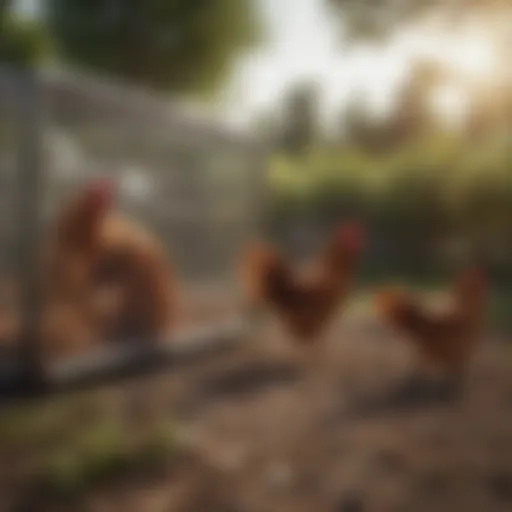
The journey of raising chickens starts with understanding their living environment, which is the chicken coop. It’s not merely a structure; it’s a sanctuary where your feathered friends can flourish. The design of a chicken coop plays a pivotal role in the overall health and happiness of your chickens. Let’s dig deeper into what makes a coop effective, the maintenance it requires, and the benefits you can get from raising chickens in your backyard.
Designing a chicken coop isn’t as simple as building four walls and a roof. It involves careful consideration of various factors such as space, safety from predators, ventilation, and ease of access for feeding and cleaning. The following discussion will take you through the essentials you need to know when constructing or maintaining a chicken coop.
Prelude to Chicken Coops
Chicken coops serve as more than just a roof over the heads of feathered friends. They represent a fundamental aspect of poultry farming, playing a critical role in ensuring the health, happiness, and productivity of chickens. Understanding chicken coops involves delving into their design, maintenance, and the multifaceted benefits they provide to both birds and their owners. An effective coop is pivotal in creating an environment where chickens can thrive, thus nurturing a more sustainable and rewarding poultry experience.
Purpose and Importance
The purpose of a chicken coop extends far beyond mere shelter from the elements. At its core, a well-designed coop provides a safe haven for chickens, protecting them from predators like raccoons or hawks. It also fosters a comfortable living space that caters to their natural behaviors, such as nesting and foraging.
Essentially, coops are foundational to poultry health. When chickens feel secure and well cared for, they tend to lay eggs more consistently and exhibit better overall well-being. Moreover, from a practical standpoint, having a designated space helps in managing the often messy business of poultry keeping.
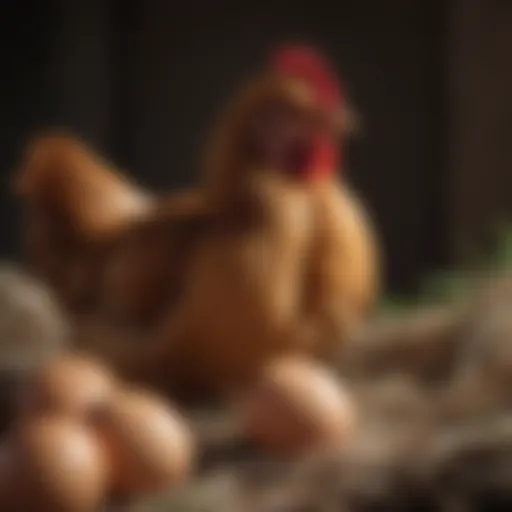
Furthermore, coops can significantly impact the quality of the eggs produced. A clean and comfortable environment contributes to the overall health of the chickens, which in turn yields better-tasting, nutrient-rich eggs. Overall, a thoughtful approach to coop design can lead to a productive relationship between humans and their chickens.
Overview of Poultry Farming
Poultry farming encompasses a variety of practices revolving around the raising of chickens for meat and eggs. It is a tradition that spans cultures and continents, highlighting the integral role chickens have played in agriculture throughout history. From backyard coops to large commercial operations, the basic principles remain constant: provide a safe environment, ensure health, and manage resources effectively.
Chicken farming has evolved tremendously, adapting to various consumption needs and shifts in societal attitudes towards animal welfare. Backyard poultry farming, in particular, has gained traction as individuals seek fresh, organic produce directly from their gardens. This trend reflects a broader interest in sustainable living, where folks embrace the responsibility of caring for their food sources.
Farmers of any scale should understand the importance of proper coop management. Aspects such as coop design, the integration of effective maintenance routines, and community involvement can make or break a chicken-keeping endeavor. In essence, strong foundations in poultry farming hinge on a well-structured coop tailored to fulfill both the chickens' needs and the owner’s capabilities.
"A proper chicken coop is not just a structure—it's the heart and soul of a successful poultry farm."
With this groundwork laid, we can now explore the numerous types of chicken coops that are available. Knowing the options will assist anyone keen to dive into this rewarding venture.
Types of Chicken Coops
Understanding the different types of chicken coops available is paramount for anyone looking to raise poultry. The right coop not only enhances the comfort and health of the chickens but also aligns with the owner’s objectives, whether that's for egg production, meat, or simply as companions. Each type of coop possesses unique characteristics, benefits, and considerations leading to purpose-driven choices for poultry keepers.
Traditional Coops
Traditional chicken coops have long been the go-to option for many poultry enthusiasts. Often constructed from simple materials like wood, these coops feature a combination of enclosed space for sleeping and nesting areas, along with an outdoor run for chickens to roam. The beauty of a traditional coop lies in its familiarity and reliability.
Benefits of Traditional Coops:
- Sturdiness: Built to withstand various weather conditions, traditional coops often last for years with minimal maintenance.
- Cost-Effective: They can be made using reclaimed wood, which saves money.
- Establish Roots: For those who enjoy the charm of a classic farmhouse aesthetic, these coops offer an inviting view that blends seamlessly into rural settings.
However, one must consider potential downsides. The fixed location means that the coop can become less efficient in use of land over time, especially if the ground is not allowed to regenerate from the chickens' constant scratching.
Mobile Chicken Coops
As the name suggests, mobile chicken coops – also known as chicken tractors – are designed for mobility. These structures allow keepers to move their chickens to fresh ground regularly. It’s an innovative way to provide chickens with new grass and insects while fertilizing the pasture themselves.
Advantages of Mobile Chicken Coops:
- Pasture Management: By rotating the coop, soil health improves, and the chickens get access to better nutrition.
- Pest Control: Since the coop moves, the incidence of pests reduces as you don’t have chickens constantly scratching the same area.
- Easy Cleaning: Debris and waste don’t accumulate in one spot, making maintenance simpler.
Though they have several advantages, it requires a commitment to regularly moving the coop and monitoring the chickens’ well-being closely.
Backyard Chicken Houses
Backyard chicken houses are gaining popularity among urban dwellers and suburbanite chicken lovers. These coops can be as simple as a small, aesthetically pleasing house that fits snugly into the backyard. They provide the essential needs of space and safety without overwhelming the landscape.
Key Features of Backyard Chicken Houses:
- Space Efficiency: Designed to accommodate a few hens, these houses fit well in smaller spaces while ensuring that chickens have room to move.
- Aesthetic Appeal: Many options blend with backyard gardens or patios, enhancing the area's charm.
- Convenient Access: Easy to reach from the house especially for feeding, cleaning, and egg collection.
However, one can’t ignore the risks of overcrowding and insufficient ventilation, so finding the right size for your flock is crucial.
Custom-built Structures
For those who wish to go beyond the ordinary, custom-built chicken coops offer a canvas for creativity. These structures can be tailored to individual needs, from design to size. Personalization allows for specific features such as secure storage for feed, special nesting boxes, or even integrated rainwater collection systems.
Considerations for Custom-built Structures:
- Tailored Design: The coop can address unique challenges, like local predators or specific climate issues.
- Enhance Functionality: Features can include integrated runs, automatic doors, or solar power systems for lighting.
- Creative Freedom: Owners can express themselves through unique designs and materials.
On the flip side, custom structures may require more investment in time and resources. Building codes and restrictions should also be factored in before designing a one-of-a-kind coop.


In summary, choosing the appropriate type of chicken coop is not a one-size-fits-all decision. Evaluating these various options ensures that your chickens receive the care they need while also complementing your lifestyle and living space.
Design Principles for Coops
Designing a chicken coop isn't just about throwing together some wood and wire; it's a thoughtful process that paves the way for healthy and productive poultry. Creatively structuring your coop can significantly influence your chickens' well-being and egg production. Every aspect counts, from airflow to space management; all contribute to an environment where chickens can thrive. A well-designed coop also minimizes the need for frequent repairs or modifications down the line, saving both time and labor.
Size and Space Requirements
Chickens come with their own needs when it comes to space. Overcrowding can lead to stress, feather pecking, and other health issues. The general guideline suggests at least 4 square feet per bird in the coop and 10 square feet in the run for lighter breeds. Heavier breeds like Orpingtons might need a bit more—closer to 5-6 square feet per bird.
Additionally, if your coop’s too cramped, you might find that your feathered friends start squabbling. Just like people, chickens enjoy their personal space. A large run allows them to exhibit natural behaviors like scratching and foraging.
"Space is not just an issue of luxury; it’s a matter of health and happiness for your flock."
When planning your coop, consider future expansions. If you're planning to add birds later on, it’s wise to design your coop for that growth from the onset.
Ventilation and Airflow
Proper ventilation is one of those behind-the-scenes heroes of chicken care. Good airflow prevents moisture buildup and reduces ammonia levels caused by droppings. Chickens thrive best in environments that don’t feel stale, so incorporating windows, vents, or even roof openings is paramount.
Look for spots where airflow can be directed crosswise, which helps in pushing out stale air while bringing in fresh. Installing a simple passive ventilation system can go a long way. Just remember, too much heat can be as detrimental as too little. In warmer months, ensure that there’s plenty of shaded areas still allowing a breeze to flow through.
Predator Protection
The unfortunate truth is that backyard chickens come with their own set of dangers. Raccoons, coyotes, and even neighborhood dogs may see your flock as a tempting snack. Designing a coop that keeps these predators out requires both sturdy materials and strategic thinking.
Be mindful to check:
- The base: Digging predators can easily tunnel under fences. Burying hardware cloth or use concrete blocks helps here.
- The roof: A secure top is as crucial as the walls. Consider an enclosed run completely covered with netting to keep birds safe from aerial attacks.
Regular checks for holes, wear, or weak points nurture long-term safety for your birds. The more you invest in solid predator-proof measures now, the less heartache you'll experience in the future.
Accessibility Features
Being a chicken owner is a rewarding experience, but it comes with chores. Ensuring that your coop is user-friendly can streamline everyday tasks, making your life easier. Design aspects like wide doors, removable roosts, or a convenient layout can save a great deal of hassle during cleaning and egg collection.
Consider adding:
- Nesting boxes: Place them at a comfortable height for easy access; if you’re bending down to collect eggs every morning, your back might not thank you later.
- Raised perches: Not only do they provide a comfortable roost for your birds, but they also help with easier cleaning beneath.
Life is too short to deal with cramped spaces and awkward angles. Make it practical, so you can enjoy your time out there with your hens rather than grumbling about design flaws.
By focusing on these vital design principles for your chicken coop, you'll pave the way for a thriving poultry experience. Not only will your chickens be healthier, but you'll also find the joy in your backyard flock multiplied. Each element interconnects to maximize not just their well-being but also your enjoyment and efficiency in managing your coop.
Building Materials and Styles
The choice of materials and the overall style of chicken coops are far from mere aesthetic whims; they are foundational aspects that significantly influence the durability, functionality, and liveability of these structures. When considering how to construct or refurbish a chicken coop, the integration of the right materials and a thoughtful design approach is crucial for creating a healthy and secure environment for your feathered companions. Let's delve into the specifics.
Wood vs. Metal
Wood has long been the traditional choice for constructing chicken coops. It offers excellent insulation, allowing for a comfortable temperature during both hot and cold months. While wood can be visually appealing and allows for easy modification and expansion, it requires regular maintenance to prevent rot and pest infestations. Not to mention, the upfront cost can vary depending on the type of wood chosen.
On the other hand, metal coops—often constructed from galvanized steel or aluminum—offer durability and strength. They are less susceptible to weather conditions and pests, making them a practical long-term solution. However, metal can become quite hot in the sun, requiring thoughtful ventilation to keep the interior comfortable for the chickens.
Some chicken keepers even choose to blend materials, using wood for the walls and metal for the roof. This hybrid approach can provide both aesthetic charm and robust protection.
Insulation Considerations
Insulation is a critical element that shouldn't be overlooked. In regions with extreme temperatures, proper insulation can mean the difference between a thriving flock and struggling birds. Wood naturally provides better insulation than metal; however, advancements in insulation materials have made it possible to insulate metal structures effectively.
Here are some factors to keep in mind when considering insulation for your coop:
- Climate Adaptability: If you live in an area that experiences heavy snowfall or blistering heat, appropriate insulation helps maintain a consistent temperature.
- Material Types: Common insulation materials include foam boards, fiberglass batts, or even straw bales. Each has its pros and cons, so consider what fits your specific needs.
- Moisture Control: Appropriate insulation can help prevent moisture accumulation, which is vital for protecting the chickens from respiratory issues.
Aesthetic Choices
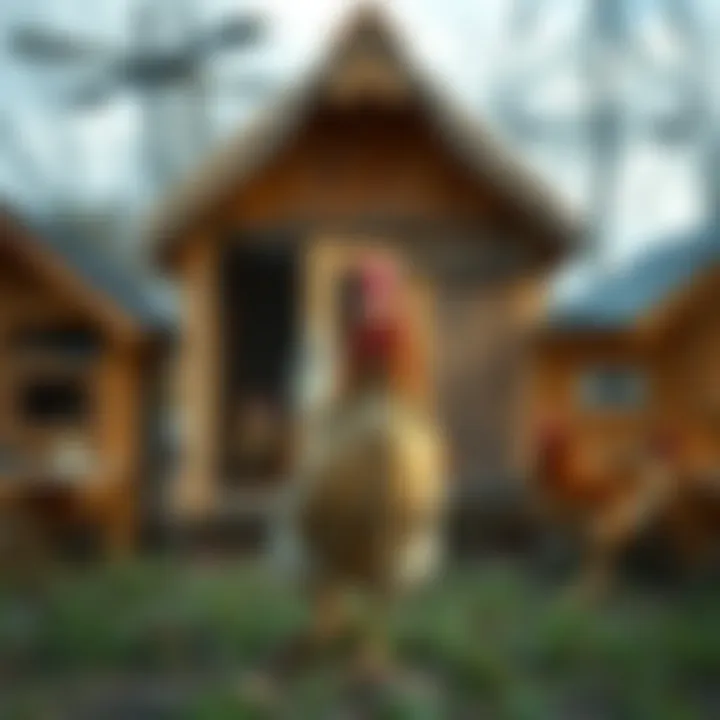
When it comes to aesthetic choices for chicken coops, the sky’s the limit—well, almost. The style of your coop can reflect your personal taste and can even be a talking point in your community. From classic barn styles to sleek modern looks, the design allows for both functionality and visual appeal. Here are some elements to consider:
- Color Schemes: Opt for colors that not only blend well with your backyard landscape but also reflect your personality.
- Roof Design: Gabled roofs provide excellent drainage, while flat roofs can offer space for solar panels or rooftop gardens.
- Windows and Doors: Ensuring there’s natural light and easy access contributes to a cheerful atmosphere, which is essential for both owners and chickens.
Coops aren't just a shelter for chickens; they can be a thoughtful statement piece that harmonizes with your overall garden or yard design.
"Building a chicken coop is not just about shelter—it's about creating a sustainable environment that nurtures your avian family and enhances your backyard lifestyle."
By understanding the materials and styles available, you can make an informed choice that best meets the needs of your chickens while complementing your home. Take the time to plan, as every choice contributes to the ultimate success of your flock and the overall enjoyment of backyard poultry keeping.
For more information on chicken coop styles and materials, check out resources at Wikipedia or Britannica.
Maintenance of Chicken Coops
Proper maintenance of chicken coops is the backbone of ensuring the health, safety, and productivity of your feathery friends. A well-maintained coop not only fosters a comfortable environment for the birds but also aids in preventing the onset of diseases, thus reducing overall veterinary costs. There’s an adage that cleanliness is next to godliness, and nowhere is this more applicable than in the realm of poultry farming.
Regular upkeep of your coop means you’re taking proactive measures against problems that could otherwise spiral out of control. Not only does maintenance prevent odor buildup, attracting unwanted pests and diseases, but it also encourages the hens to lay eggs more consistently. A chicken's environment plays a pivotal role in both its mental and physical health; hence, it is essential to view maintenance as an integral aspect of humane poultry farming.
Cleaning Routines
Cleaning your chicken coop is akin to tidying up one's own living space. It’s a task that can’t be shrugged off, yet it often gets neglected until it becomes a large chore. Establishing a cleaning routine is key. Most experts recommend a thorough cleaning of the coop at least once a week, but depending on the number of chickens and the size of the coop, you may have to adjust that frequency.
Here are some steps for an effective cleaning process:
- Remove the bedding and waste material
- Scrub down surfaces with a mild detergent
- Rinse with clean water thoroughly
- Use a disinfectant to eliminate harmful bacteria
- Allow the coop to dry completely before adding new bedding
For ongoing maintenance, consider daily checks to spot any build-up of waste or foul odors that might signal larger problems ahead.
Health Inspections
Just like humans should visit the doctor regularly, chickens also need their health inspected. Regular health inspections are necessary for spotting issues before they escalate. During these inspections, check for signs of diseases and parasites such as mites and worms, which can thrive in less-than-perfect conditions.
A routine inspection might include:
- Observing the chickens for unusual behavior
- Checking for any discoloration in the egg yolks
- Inspecting their feathers and skin for signs of infestation
- Ensuring they are drinking and eating normally
Keeping a close eye on your flock can save significant veterinary costs down the line. Keep in mind that a common miss is assuming that your birds are just fine because they look healthy at a glance.
Preventative Measures
Preventative measures can be the difference between a thriving flock and a flock riddled with illness. Establishing a proactive health and maintenance plan is crucial. Some strategic steps include:
- Rotating breeds to maintain genetic diversity
- Incorporating biosecurity measures to prevent sickness
- Ensuring that water sources remain clean and adequately filled
- Storing feed in sealed containers to deter pests
- Keeping the coop well-ventilated to prevent moisture buildup
"An ounce of prevention is worth a pound of cure.” This old saying rings true in chicken care. It’s better to invest time and effort into preventive measures than to rectify issues later.
In summary, mastering the cycle of cleaning, health inspections, and implementing preventative measures builds a sustainable environment for your chickens. They’ll thrive, you’ll enjoy healthier eggs, and it’ll give you peace of mind knowing you’re providing the best conditions possible.
Health Implications for Chickens
The health of chickens is profoundly influenced by their environment, specifically their living conditions and the design of their coops. Chicken coops serve not only as shelters, protecting our feathered friends from the elements and predators, but also play a critical role in their overall well-being. Proper coop design and regular maintenance can stave off various diseases, ensuring our flocks are healthy and productive. Therefore, understanding the health implications tied to chicken coops is essential for any poultry enthusiast who aims to keep their birds thriving.
Common Diseases Related to Coops
Chickens, like any other animals, are susceptible to a variety of diseases, some of which thrive in environments that are poorly maintained. The following are common ailments that can arise from inadequate coop conditions:
- Respiratory Infections: Poor ventilation can lead to a build-up of ammonia from droppings and moisture, creating an atmosphere ripe for respiratory issues. Chickens exposed to such conditions may show coughing, sneezing, or nasal discharge.
- Coccidiosis: This is a parasitic disease caused by microscopic organisms that infect the intestines. Dirty living conditions promote the spread of coccidia, especially in unclean bedding. Symptoms include bloody diarrhea and lethargy.
- Avian Influenza: A highly contagious disease that spreads through contaminated surfaces or droppings. Keeping the coop clean can mitigate the risk of outbreaks.
- Mites and Lice Infestation: Overcrowded coops can harbor parasites like mites and lice. These pests can cause discomfort and health issues, affecting a chicken's growth and egg production.
"A clean coop is a happy coop, and a happy coop leads to healthy chickens."
Regular health checks and timely clean-up can be the difference between a flourishing flock and one that suffers from avoidable diseases. Moreover, maintaining a stable environment helps in combatting these vulnerabilities effectively.
Environmental Impact on Health
The environment in which chickens live plays a significant role in their physical and psychological health. Several factors contribute to this:
- Space and Overcrowding: Chickens need adequate space to roam and express natural behaviors. When coops are too cramped, stress levels rise, leading to aggressive behaviors as well as increased disease transmission.
- Hygiene: Keeping a dirty environment not only encourages disease but can also impact the mental well-being of the birds. Chickens thrive in clean spaces and are likely to refuse to lay eggs or become apathetic in filthy conditions.
- Temperature Control: Extreme temperatures can negatively affect chicken health. Insufficient insulation in winter or inadequate shade in summer can lead to heat stress or cold exposure, which can have dire consequences for their health.
- Access to Fresh Air: Stuffy coops can lead to respiratory issues. Proper airflow is essential to dilute harmful gases and provide fresh oxygen. Good design principles should account for this necessity.
Promoting a healthy environment through thoughtful design can ensure the flock remains hearty and vibrant. Adjusting coop conditions can often nip health issues in the bud before they escalate into serious problems.
Nutritional Needs and Feeds
Understanding the nutritional needs and feeds of chickens is a fundamental aspect that determines their health and productivity. A carefully regulated diet not only keeps the birds healthy but also influences egg production, growth rates, and overall well-being. Ensuring your chickens receive a balanced diet is a responsibility every chicken keeper must embrace, as it significantly impacts the final outcome of your poultry experience.
Moreover, the dietary needs of chickens can vary depending on their age, breed, reproductive status, and the environment. Ignoring these factors can lead to deficiencies that may cause long-term health problems or reduce the productivity of your flock. Thus, a solid grasp of how to nourish your chickens can pay dividends in terms of health and productivity.
Understanding Dietary Requirements
When embarking on the journey of chicken husbandry, understanding their dietary requirements is akin to laying a solid foundation for a building. Chickens require a mixture of carbohydrates, proteins, vitamins, and minerals to thrive. A well-formulated chicken feed often consists of:
- Grains: Such as corn and wheat provide essential carbohydrates that give the energy needed for daily activities.
- Soybean Meal: A significant source of protein which is essential for growth and egg production.
- Vitamins: Such as Vitamin A, D, E, and K support various bodily functions, including immune response.
- Minerals: Calcium and phosphorus are crucial for bone health and eggshell quality.
A notable point is that free-range chickens can supplement their diets by foraging, which further enriches their nutritional intake. However, it’s essential to balance this with commercial feed to ensure that they receive the necessary nutrients consistently.
Chickens that do not receive adequate nutrition may display signs of distress, such as reduced egg production, poor feather quality, and weakened immune systems. In this regard, attention to detail in the composition of their diet can lead to healthier birds that thrive and produce better.


Supplementing with Treats
Incorporating treats into the chickens’ diet can enhance their overall well-being and provide variety, making meals more enticing. Treats can be a wonderful way to bond with your flock while serving as an enrichment tool. However, moderation is key; treats should not surpass more than 10% of the total daily caloric intake to avoid imbalances.
Common healthy treats include:
- Vegetables: Carrots, greens, and cucumbers offer essential vitamins and hydration.
- Fruits: Berries and melons can provide quick energy boosts, yet they should be fed sparingly.
- Grains: Kitchen scraps like bread can be a fun treat but need to be limited due to high carbohydrate content.
Interestingly, certain foods like mealworms can offer both enjoyment and protein, making them a favorite among urban chicken enthusiasts. This mix of treats not only satisfies chickens' cravings but can also stimulate natural foraging behaviors.
It’s vital for chicken owners to steer clear of harmful foods such as chocolate, caffeine, and anything moldy, which can pose serious health risks.
Important Note: Always introduce new foods gradually to observe how your flock reacts and ensure they’re not experiencing digestive issues.
In summary, a thoughtful approach to nutrition, involving a mix of balanced feed and engaging treats, can create a thriving environment for chickens. The more informed you are about their dietary needs, the better equipped you are to foster a healthy, productive flock.
Regulatory Considerations
Understanding regulatory considerations is crucial for anyone venturing into chicken keeping. These regulations ensure the safety and wellbeing of both chickens and their caregivers, while also aligning poultry activities with community standards. Failing to adhere to these rules can result in penalties, disturbed relations with neighbors, or even evacuation of your feathery friends. In essence, being aware of these legalities fosters a smoother path to successful chicken raising.
Zoning Laws and Permits
Before setting up a chicken coop, familiarizing oneself with zoning laws and permits in your specific area is necessary. Not every backyard is designed to house chickens, and certain regions enforce stringent regulations to maintain harmony in the neighborhood.
A few pointers worth considering include:
- Property Type: Zoning laws might vary for urban, suburban, or rural properties. While city dwellers may face stricter regulations, rural areas generally allow more freedom.
- Permitted Number of Birds: Many localities set a cap on the number of chickens one can raise. For example, an area might allow up to six hens, while another could restrict any unwanted bird activity.
- Valid Permits: Some places require permits to keep birds. Always check with your local animal control or agricultural department. If a permit is needed, it may involve submitting an application detailing your intended coop size, number of birds, and landscaped layout.
Being proactive about zoning investigations can save headaches later, particularly when neighbors or local authorities raise concerns.
Best Practices for Compliance
Once you get a grasp on zoning laws and permits, following best practices for compliance will keep your chicken-keeping experience above board.
Here are some strategies to consider:
- Engagement with Neighbors: Talk to your neighbors about your chicken plans. Open communication can help quell concerns and build goodwill.
- Regular Inspections: Adhere to local codes by scheduling occasional inspections of your coop and yard. This will ensure everything aligns with regulations and maintains a safe environment for your chickens.
- Record Keeping: Maintain accurate records of permits, inspections, and correspondence with local authorities. This can be useful if questions arise down the line.
- Stay Updated: Regulations can change. Keep in touch with local agricultural boards or extension services. Joining community groups can also provide insights on any impending changes.
Taking these precautions not only ensures compliance but also cultivates a better understanding of community standards, and helps build positive relations around your chicken coop venture.
Community and Chicken Keeping
Community plays a vital role in successful chicken keeping. For many, raising chickens is not merely a hobby; it is a way of life. The connections made with others who share this passion can significantly enhance one’s experience and provide invaluable support. By engaging with local poultry enthusiasts, chicken keepers can exchange knowledge, share resources, and create a network that helps everyone achieve the common goal of healthy, thriving chickens.
Connect with Local Poultry Enthusiasts
Finding a local community of poultry enthusiasts can double as a source of knowledge and camaraderie. Engaging with others who share your interests not only helps you learn but also allows you to build friendships that can last a lifetime. Here are several ways to immerse yourself in the local poultry scene:
- Attend Local Workshops: Many agricultural colleges and community centers offer classes on poultry management. These workshops are a great way to meet others and learn from seasoned chicken keepers.
- Join Poultry Clubs: Many cities have clubs or organizations dedicated to poultry. These groups often hold regular meetings and events where members can share experiences and tips.
- Online Social Media Groups: Don't underestimate the power of social media. Platforms like Facebook have numerous groups where chicken keepers share insights, experiences, and even arrange meet-ups.
Connecting with others not only provides support but can also open the door to resources that you otherwise might not have accessed, such as feed sources or veterinary recommendations.
Sharing Experiences and Resources
In the local chicken keeping community, sharing experiences is essential. Every keeper faces their own set of challenges and successes, and by exchanging stories, one can learn from both the pitfalls and triumphs of others. Here are some helpful practices:
- Regular Meetups: Scheduling regular meetups, whether virtual or in-person, allows for updates on what’s been learned or discovered. Chicken diseases, for example, can travel quickly and exchanging information can be a lifesaver.
- Resource Libraries: Establish a community library of resources. This can include everything from care manuals to breeding books. Having a physical space or even a digital platform where members can access shared materials fosters learning.
- Sharing Feed and Supplies: If members live close by, they may consider pooling resources for bulk purchases of feed and supplies. This can not only save money but also strengthen communal ties.
- Online Forums: Reddit has fantastic threads related to chicken keeping (like r/chickens) where one can ask questions and share advice. Forums can be a wealth of information for both newcomers and experienced keepers.
The essence of community lies in the sharing of knowledge and resources. When chicken keepers connect, they create an ecosystem of support that benefits not only the chickens but enhances the overall experience of raising poultry.
By creating a robust network of poultry enthusiasts, chicken keepers can foster a more supportive environment that elevates the standards of chicken care and ensures better health for their flocks.
For more information, you can visit Poultry and Egg Program of USDA or check community discussions on Reddit.
Through active participation in a community, chicken keepers can optimize their practices, ensuring the well-being of their birds while enjoying the frequent exchange of ideas and camaraderie.
The End: The Impact of Proper Coop Design
The design of a chicken coop greatly influences the overall well-being of the birds it houses. A well-thought-out coop can lead to healthier chickens, thus resulting in improved egg production and longevity. Proper design reflects an understanding of the animals' needs and the environment they inhabit. One of the most critical aspects is ensuring that the coop offers enough space for each chicken to roam freely. Crowded conditions may lead to stress, aggression, and even disease outbreaks among the flock.
Coops need to be constructed with materials and structures that withstand weather conditions, including harsh winters or blistering summers. Good ventilation is crucial as it ensures that fresh air circulates, minimizing moisture buildup, which can lead to respiratory issues. Are these considerations the essence of proper coop design? Quite likely; they’re the bedrock that underpins a successful poultry operation.
"The right design doesn't just keep chickens safe; it keeps them thriving."
Moreover, a coop that is well designed facilitates routine maintenance. Features such as access doors and removable nesting boxes can make cleaning and health inspections straightforward. This not only saves time but also minimizes stress for both the owner and the birds.
Long-term Benefits for Chickens
When evaluating the long-term advantages that flow from effective coop design, several significant points emerge:
- Enhanced Health: Properly designed coops reduce the risk of disease by providing ample ventilation and adequate space, which allows for healthier flocks.
- Increased Productivity: Chickens that live in a stress-free environment are more likely to produce eggs consistently. Well-ventilated, spacious coops also contribute to higher-quality eggs.
- Lower Veterinary Costs: By preventing many health issues through good design, poultry keepers may see a drop in veterinary bills, which helps them maintain a more sustainable operation.
- Community Reputation: A well-kept coop reflects positively not just on the individual owner but on the community of poultry farmers at large. It can foster goodwill and encourage best practices among peers.
- Educational Opportunities: Optimal coop design can serve as a learning tool for enthusiasts and newcomers alike. Observing how design choices affect behavior and health can enrich the local chicken-keeping community.