Building a Chain Link Fence Chicken Coop: A Guide


Intro
Building a sturdy and secure chicken coop is a vital step for anyone looking to raise poultry. Not only do chickens require a place to roost and lay their eggs, but they also need an environment that keeps them safe from predators while allowing them to scratch and forage. Among the materials available for constructing a coop, chain link fencing offers a unique blend of advantages due to its durability and visibility. This guide will delve into how to effectively use chain link fencing in your chicken coop project.
From understanding the benefits of using chain link to the specific designs that work best for chicken habitats, this comprehensive guide has you covered. We will also highlight maintenance tips and other practical considerations necessary for ensuring the comfort and safety of your chickens. Whether you're a first-time chicken keeper or a seasoned farmer looking to enhance your setup, these insights will be indispensable.
Key Benefits of Chain Link Fencing for Chicken Coops
- Durability: Chain link fencing is built to withstand the elements. It's strong and can withstand wear and tear better than many other materials.
- Visibility: One feature that stands out with chain link is the ability to see through it. This provides not only a practical element of surveillance over your flock but also a sense of space for the chickens.
- Cost-Effective: Compared to wooden structures, chain link can be less expensive to install and maintain, providing a solid option for those working within a budget.
- Versatility: Chain link fencing can be shaped and configured to fit various coop designs, allowing for flexibility based on your space constraints.
"With the right materials and design, a chain link coop can become a safe haven for your chickens, allowing them to thrive and lay delicious eggs."
As we explore the steps and practices involved in constructing a chicken coop using chain link fencing, it is essential to be aware of specific design elements that impact both the functionality and aesthetics of the setup. Each section of this guide will offer a detailed analysis on elements from the foundation to ceiling, ensuring that both safety and comfort are prioritized.
So, let’s embark on the journey of creating a safe, efficient, and practical chicken coop using chain link fencing.
Foreword to Chicken Coops
A chicken coop isn't just a structure; it's the heart and soul of any poultry-raising venture. Understanding the nuances of what makes an effective coop is crucial for anyone interested in keeping chickens. This guide aims to break it down, focusing on how to build a robust coop with chain link fencing, highlighting not only construction but also the significance of creating a safe and comfortable environment for your feathered friends.
When you think about chickens, the images of them clucking merrily while roaming free or nestled safely in their coop dance in your mind. But all that begins with a solid and secure structure. The primary role of a chicken coop is to protect your birds from predators, maintain their health, and offer them a space where they can thrive.
The Importance of a Secure Chicken Coop
No one wants to wake up one morning to find their beloved pets missing. A secure chicken coop serves as a fortress against various threats—be it raccoons, foxes, or even hawks. These predators are not just clever; they're relentless. A well-built coop with sturdy fencing reduces these risks considerably. Furthermore, a secure structure helps maintain the health of your chickens by preventing stressors from the outside world. After all, a chicken that feels safe is a happy and productive one.
Aside from safety, ventilation, sunlight, and space are equally important components to consider. Fresh air keeps your birds cool and reduces moisture buildup, which can lead to health issues. Ensuring their coop is bright and spacious allows for better mental well-being and helps to stimulate natural behaviors, so your chickens can strut around contentedly.
Overview of Coop Materials
Material choice plays a pivotal role in the construction and longevity of a chicken coop. While wood has historically been the go-to option, chain link fencing is an alternative that’s gaining traction for a number of reasons. It’s durable, low-maintenance, and versatile.
When considering coop materials, think about:
- Chain link fencing: Provides security yet ensures visibility and airflow, crucial for the well-being of your flock. It's resistant to rust and decay, making it last longer than traditional wood options.
- Wood: Useful for framing additional structures such as nesting boxes or roosting bars, but can be prone to rot if not properly treated.
- Wire mesh: Offers extra protection against smaller predators without adding too much weight or costs.
- Roofing materials: Metal or shingles will protect your coop from the elements, making sure your chickens stay dry and comfortable.
In summary, the materials you choose will not only affect the durability of your coop but will also influence the overall comfort and welfare of your chickens.
Remember, a well-planned coop today can save you headaches tomorrow, allowing your chickens to flourish in a safe and nurturing environment.
Why Choose Chain Link Fencing?
When it comes to crafting a chicken coop, your choice of fencing can make or break your efforts. Chain link fencing stands out as an option that's not just practical but packed with benefits that can elevate your chicken-rearing experience. From providing security against predators to enhancing visibility for your feathered friends, the reasons for choosing this material are compelling. Dive in as we explore three vital elements: durability and longevity, visibility and airflow, and cost-effectiveness.
Durability and Longevity
One of the primary reasons to consider chain link fencing is its outstanding durability. Made from galvanized steel, the material is resistant to rust, corrosion, and impacts. This means your coop can withstand the tests of time, no matter what Mother Nature throws at it. A chicken coop built with chain link was seen in a small rural town; many years later, it still stood tall, proving the worth of the investment.
In areas with extreme weather, chain link’s durability shines even brighter. Unlike wooden types that can warp, rot, or splinter, chain link maintains its integrity through rain or sun. So, if you live in a region that swings between hot summers and frigid winters, your chickens will be safe inside a robust chain link enclosure.
Visibility and Airflow
Having a clear view of your chicks while they roam is beneficial. Chain link fencing provides an unobstructed view of your chickens. This visibility can enhance monitoring for signs of distress or illness. For instance, one owner noticed a change in her flock’s behavior simply because she could easily spot them through the fence. This heightened awareness translates into better care and more enjoyable chicken-keeping experience.
Beyond visibility, the open design of chain link fencing allows for excellent airflow, promoting a fresh and healthy environment for your birds. Proper ventilation helps regulate the temperature within the coop, reducing the risk of heat stress during hot days. Fresh air also minimizes moisture buildup, which can lead to health issues for your poultry. So, while your chickens are strutting around in their space, they can breathe easy in a coop well-ventilated by chain link.
Cost-Effectiveness
Money does talks, and when it comes to chicken coops, chain link fencing remains a budget-friendly option. The initial costs can be lower compared to wood or other fencing materials, saving you a pretty penny—a crucial factor if you’re just getting started in the poultry biz. Moreover, given the longevity of chain link, the long-term savings become even more apparent. You'll likely spend less on maintenance and replacements over time.
Additionally, chain link’s easy installation process means that labor costs—if you decide to hire help—might be significantly reduced. While you do have to factor in posts and gates, the overall cost still tends to tip in favor of chain link.


By reducing expenses on repairs and upkeep, your investment translates into more savings for feed, care, and perhaps a few treats for your hens.
In summary, choosing chain link fencing isn’t just about securing your chickens. It's an investment in durability, visibility, airflow, and overall cost-effectiveness. The benefits are clear and notably advantageous for both novice and seasoned chicken keepers.
Designing Your Chicken Coop with Chain Link Fencing
Creating a chicken coop that melds practicality with comfort is an essential task for any poultry keeper. This is particularly true when utilizing chain link fencing as a core material. The aim is to design a coop that not only provides security but also contributes to the well-being of your chickens. Thus, understanding the various factors that come into play during the design phase is pivotal.
Basic Design Considerations
When it comes to designing with chain link fencing, several fundamental elements should always be at the forefront of your considerations. First off, you need to think about the shapes and sizes. A triangular or square configuration provides a good balance between space and structure. Think about how much open space your chickens will need while also accounting for shelter from the elements. Chain link fencing is flexible, allowing you to create enclosures that can easily accommodate varying sizes of flocks.
Visibility plays a crucial role as well. Thanks to the see-through nature of chain link, both you and your chickens benefit from better visibility. This transparency allows you to monitor your birds, making it easier to spot any issues before they become serious. Also, keep in mind the height of the fence. Ensuring the fence is tall enough can deter birds from flying out and predators from sneaking in.
Customizing Layouts
Design choices often boil down to two basic principles: free-range versus contained environments.
Free-Range vs. Contained Environments
Opting for a free-range design enables your chickens to roam around more freely. The immediate benefit here is that chickens thrive in environments where they can express natural behaviors like foraging, dust-bathing, and socializing. Such of area offers them more opportunities for exercise and reduces the risk of behavioral problems.
However, the challenge lies in the exposure to predators. A well-designed chain link fence can provide a boundary while still allowing your birds to enjoy the outdoors. This setup is often favored for its ability to balance freedom with safety. Free-range coops can potentially improve the quality of your eggs, as happy chickens often produce better eggs.
On the flip side, a contained environment reduces worries about predators. This would be beneficial in areas that are home to hawks, raccoons, or coyotes. With chain link fencing, you can create a sturdy outer barrier while still allowing sunlight and airflow. Although this may limit your chickens' outdoor time, maintaining a secure space means peace of mind for the owner.
Key Dimensions for Comfort
It's not just about the basic shape; key dimensions are crucial for the welfare of your birds. A good rule of thumb is to allocate at least 10 square feet of outdoor space per chicken if it's a free-range setup. For contained environments, around 4 square feet per chicken inside the coop itself can keep them comfortable.
Consider the height of your coop as well. Giving chickens enough vertical space to jump and spread their wings is vital for their well-being. A coop that stands at least 6 feet tall gives both the chickens and the owner a good amount of room to maneuver. A comfortable setting isn't just beneficial in keeping your chickens healthy; it also promotes an enjoyable experience for the owner.
In essence, designing your chicken coop with chain link fencing involves balancing aesthetics, practicality, and animal welfare. The choices you make contribute not only to the structure's integrity but also to the quality of life for your flock.
"The right design aligns with the needs of both the chickens and their caretaker, ensuring everyone involved can thrive."
For further reading on chicken coop design principles, the following resources may be helpful:
Engaging in thoughtful design to create a chain link fence chicken coop represents a commitment to both function and the happiness of your poultry.
Safety Features of Chain Link Fencing
In constructing a chicken coop, safety takes center stage. Chain link fencing presents a unique blend of visibility, strength, and durability which are essential for protecting your poultry from various threats. Understanding the safety features inherent in chain link fencing is crucial for establishing a secure environment for your chickens. Let's delve deeper into some of the key elements that contribute to the overall safety of your coop.
Preventing Predation
One of the biggest concerns for chicken owners is the risk of predation. Foxes, raccoons, and even neighborhood pets can pose significant threats to your flock. Chain link fencing, while not always the most impenetrable material, offers some worthwhile benefits in this regard. The tight weave of the fencing makes it challenging for many predators to reach in, while the height of the fence can deter larger animals from attempting to leap over.
To enhance protection against digging predators, it's wise to bury the fence at least 12 inches deep into the ground. Additionally, installing a top rail or barbed wire can act as a fortification against birds of prey. Here are some tips to further bolster your coop’s defenses:
- Add a buried apron around the perimeter to prevent digging.
- Regularly inspect the fence for signs of wear or gaps created by weather.
- Consider using additional fencing materials—like wood or welded wire—around hotspots where predators are prevalent.
"Safety is not just a precaution; it's the backbone of happy and healthy poultry."
Securing Access Points
Access points, including gates and doors, require special attention within your chicken coop's design. It's these vulnerabilities that can become weak spots for potential intruders, both human and animal alike. Make sure these entry points are outfitted with the following:
- Heavy-duty locks: Use locks that require a key or combination, as simple clasps can easily be circumvented.
- Self-closing mechanisms: These are especially useful in ensuring that gates do not get left open by forgetful caretakers.
- Reinforced latches: Ensure that latches are sturdy and tamper-proof to dissuade unwanted visitors.
Monitoring your access points is key—visually check the state of all gates and doors during routine inspections. It's also beneficial to observe any signs of disturbance around these areas, such as claw marks or dug-up ground. Strengthening these points effectively diminishes risk and helps maintain the integrity of your chicken coop.


By carefully considering these safety features, you're not just building a fence; you're creating a fortification that prioritizes the wellbeing of your feathered friends. Addressing issues related to predation and access security ensures your chickens can thrive in a safe and stress-free environment.
Construction Process of a Chain Link Fence Coop
The construction of a chicken coop using chain link fencing is a meticulous endeavor, one that determines the safety and comfort of your flock. It's not just about putting up some posts and wrapping them in wire; it encompasses thoughtful planning and execution that caters to the needs of your chickens as well as the environment. This section dives into the essential steps of constructing a chain link fence coop, with emphasis on gathering materials, setting up a sturdy framework, and employing effective fencing installation techniques.
Gathering Essential Materials
Selecting Chain Link Fencing
When it comes to choosing the right chain link fencing, several factors draw attention. First and foremost, the gauge of the wire is paramount—this indicates the thickness and strength of the fencing. A heavier gauge (probaby something like 11 or 9) offers greater durability, which is essential if your area has wildlife like raccoons or coyotes that might see your hens as a snack.
Additionally, chain link fencing comes in various heights, so opt for something that discourages overly adventurous chickens from flying the coop. Its galvanized coating is another key characteristic, making it resistant to rust and weather, which is a boon for longevity. This type of fencing also allows for visibility and airflow, providing a better environment for your chickens compared to more solid materials.
On the downside, its open design can mean some exposure to elements like heavy rain or strong winds. However, a little strategic placement of structures around the coop can mitigate this concern, ensuring your chickens have safe haven from harsher weather.
Other Required Tools
Equipping yourself properly is just as crucial as selecting the right materials. You’ll need a range of hand tools and power tools to get the job done right. Necessary tools might include:
- Post Hole Digger: essential for setting up your posts deep enough to withstand strong winds.
- Wrenches and Pliers: for securing the fencing to the framework.
- Wire Cutters: to neaten up ends and make adjustments.
- Level: guarantees that your posts are straight—nothing worse than a crooked fence!
A special note should be made on the power drill, especially when it’s paired with proper drill bits for various materials. This makes installing hardware like tension bands or gate latches a breeze. While these tools may seem commonplace, each serves a unique purpose that contributes to the overall stability and functionality of your chicken coop.
Setting Up the Framework
With your materials and tools ready, the next step is to establish a solid framework. This part is crucial as it acts as the backbone of your coop. Start by marking out the dimensions of your coop area using stakes and string. It’s like drawing a plan in the dirt, ensuring you’ve got your sights set on just the right spot.
Digging post holes is where the real fun begins—aim for a depth of about two feet; this provides the stability needed against wind and curious wildlife. As you place each post, use a level to make certain everything is aligned. You wouldn’t want a fence that leans like it’s had too much to drink, so take your time with this step.
Fencing Installation Techniques
Once the framework stands proud and tall, it’s time to install the fencing. Start at the corner and unroll the chain link along the side. A little tip: having a helper at this stage can aid in managing the long rolls without them getting tangled. You’ll need to attach the fencing to the posts using tension bands for a secure finish.
A Tension Wire can also be threaded along the bottom to prevent any determined diggers from burrowing beneath your fence. Make sure to be mindful of any overlaps and cut-offs; ensuring a neat installation not only looks good but also ensures functionality.
"A well-built fence is like a good vegetable garden—it keeps the bad out while nurturing the good within."
Finally, don’t forget to consider gate installation for access. The gate should be easy to operate and securely locked to prevent both inadvertent entry and exit. Once everything is in place, stand back and admire your handiwork; in no time, your chickens will be strutting their stuff in their newly constructed coop!
By carefully following these steps, your chain link fence chicken coop will not only serve your poultry but also stand as a testament to your commitment to their welfare.
Integrating Features for Poultry Comfort
Creating a wholesome environment for chickens goes beyond just constructing a basic shelter. Integrating features that enhance comfort is paramount to maintaining their health and productivity. Well-designed features not only cater to the physical needs of poultry but also contribute to their overall well-being. This is particularly essential in raising happy and productive chickens.
Roosting Bars and Nesting Boxes
When it comes to integrating comfort, roosting bars and nesting boxes are vital components of any chicken coop. Chickens naturally seek high places to sleep, as this instinct helps them feel safe from ground predators. Employing sturdy roosting bars allows chickens to perch comfortably while they rest at night.
- Height and Material: Ideally, roosting bars should be around 2-3 feet off the ground. Using natural wood, such as cedar or pine, can be beneficial, as these materials are both durable and easy on their feet.
- Spacing: It’s crucial to consider spacing between multiple bars. Allow at least 12-18 inches of space per chicken to avoid overcrowding.
Nesting boxes, on the other hand, provide hens a secluded area to lay eggs. This is essential for setting up a productive laying environment:
- Dimensions: Nesting boxes should be at least 12 inches square and filled with soft bedding material like straw or wood shavings.
- Privacy: Placing them in a quieter section of the coop helps hens feel safe and encourages frequent egg-laying.
With well-placed roosting bars and nesting boxes, you cater to essential instincts and enhance both security and comfort for your chickens.
Dust Bath Areas
Dust bathing is a natural behavior for chickens, essential for their hygiene and comfort. It helps in removing parasites and keeping feathers in prime condition. Thus, allocating a designated dust bath area in your chain link fence coop is highly beneficial.
- Material: The ideal substance can range from sand to fine dirt. Mixing in some diatomaceous earth can provide extra protection against pests.
- Location: Pick a spot that enjoys sunshine but has some shade during the hottest parts of the day. This balances temperature and helps prevent overheating.
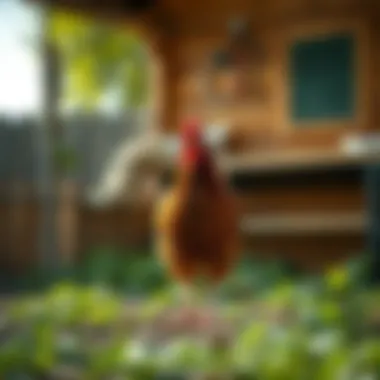

Having a dust bath area results in happier chickens. It’s an enjoyable activity for them and an integral part of their health routine. By emphasizing features like roosting bars, nesting boxes, and dust bath areas, your coop doesn’t just serve its primary function. It becomes a sanctuary designed for the comfort and well-being of your poultry.
Maintenance and Care of the Chain Link Fence Coop
Maintaining a chain link fence chicken coop isn't just about making it look good. It's about creating a safe and healthy environment for your feathered friends. Regular maintenance and care ensure that the coop remains structurally sound and secure against the elements and predators. A well-kept coop can lead to happier and healthier chickens, ultimately improving egg production and overall well-being. Keeping an eye on your coop can save you a headache in the long run, addressing small issues before they snowball into bigger problems.
Routine Inspections
Routine inspections are key to the longevity of your chicken coop. These checks don't need to be overly complicated, but they should be thorough. Spending just a few minutes each week can make a world of difference.
- Check for Damage: Look for any visible signs of wear and tear in the chain link fencing. Check for gaps or tears that could allow predators easy access. Even small holes can become pathways for crafty raccoons or sly foxes.
- Fasteners and Fittings: Ensure that all bolts and fasteners are secure. Sometimes, these can loosen over time, especially during heavy winds or storms. Tighten any loose fittings to maintain stability.
- Ground Condition: Look around the perimeter for signs of erosion or any places where the ground might begin to give way. If soil washes away, it can compromise the fence’s stability.
- Inspect the Surrounding Area: Keep an eye out for any debris or fallen branches that could pose a threat. A tidy space helps prevent unexpected hazards that could compromise the coop’s safety, not to mention the overall environment for your chickens.
Incorporating this little inspection into your routine can save not just time, but also the well-being of your animals.
Cleaning and Upkeep
Keeping your coop clean isn't just about aesthetics; it's a matter of health. A dirty coop can lead to illness amongst the flock and, if not cared for, the whole setup can become a breeding ground for pests. Here are some practical tips for maintaining cleanliness:
- Regular Cleaning Schedule: Aim for a bi-weekly or monthly cleaning, depending on the number of chickens. Remove old bedding, droppings, and any leftover feed that may attract unwanted visitors.
- Disinfecting Surfaces: After clearing out old materials, it’s wise to disinfect surfaces. A mixture of vinegar and water can be effective, as it’s non-toxic and safe for the chickens. Just rinse well afterward to avoid any residue.
- Keep Feeding Areas Clean: Feeders should be raised and cleaned regularly to prevent mold and attract pests. This not only ensures the food stays fresh but also creates a less hospitable environment for unwanted critters.
- Dust Bath Maintenance: If you’ve set up a dust bath area (highly recommended), make sure to refresh it regularly. Chickens love to take dust baths to maintain feather health, so providing fresh materials keeps them happy.
Taking these steps can prevent problems before they start, keeping your coop a clean and inviting home for your chickens. By prioritizing these maintenance tasks, you create a healthy environment where your poultry can thrive.
Regular maintenance is crucial to preventing larger issues down the line. A stitch in time saves nine, as the saying goes.
For more detailed advice on chicken coop maintenance, consider resources like Backyard Chickens or your local agricultural extension office at *.edu.
These practices not only benefit the chickens but also make the entire process of chicken keeping more enjoyable and rewarding.
Challenges and Considerations
Building a chicken coop using chain link fencing requires a careful consideration of various challenges that may arise. These challenges can directly affect the durability of the coop and the well-being of the chickens housed within it. Understanding these elements ensures that you not only provide a safe environment for your birds but also comply with standards that may be necessary in your area.
Weather Resilience
Weather can be a tricky foe for any outdoor structure, and chicken coops are no different. Here are a few aspects to keep in mind:
- Wind Exposure: Chicken coops made with chain link can be susceptible to high winds because of the material's lightweight nature. If your area is known for gusty conditions, you might need to provide a solid windbreak by incorporating wood or panels in certain areas of your fence.
- Rain and Moisture: Chain link itself won’t rust if coated properly, but your coop structure needs to be positioned smartly with thought to drainage. Ensure there are no puddles forming near the coop that could create muddy conditions.
- Extreme Temperatures: While chicken breeds often adapt well to various climates, the structure should help guard them from excessive heat or cold. You may want to incorporate shaded areas or insulation for the winter months. This can be integrated into the chain link design with materials like tarps or straw bales to offer additional protection.
"A well-thought-out design can make or break your chickens’ ability to thrive through the seasons."
Local Regulations and Permits
Regulatory requirements can sometimes feel like navigating a maze, but they are crucial to keeping your chicken coop compliant and neighbor-friendly. What to look into:
- Zoning Laws: Check with your local government to see if zoning laws allow for chicken farming. In some neighborhoods, rules dictate how many chickens are permitted, their coops' dimensions, or even the distance from property lines.
- Permits: Certain areas might require permits to build a coop, especially if it’s going to be larger or intends to house a lot of birds. Failing to obtain necessary permits can lead to fines or even construction removal.
- Health Codes: Some regions have specific health codes related to animal husbandry. This could encompass waste management practices and specified sanitary requirements for housing livestock, including poultry.
Before starting your coop project, consult local websites like *.gov or local council resources. Referencing resources such as the American Poultry Association can give you best practices as well.
Considering these challenges and the relevant regulations may seem tedious; however, they ensure not only a successful project but also create sustainable harmony with your community.
Closure: Assessing the Chain Link Fence Option for Chicken Coops
In summarizing the various points discussed throughout this article, it's clear that chain link fencing presents a compelling option for building chicken coops. This section not only wraps up the insights revealed but also casts a spotlight on significant elements, benefits, and considerations surrounding the use of chain link fencing for chicken coops.
The ability of chain link fencing to offer visibility while maintaining security can't be overlooked. Chickens, by their very nature, thrive in environments where they feel safe yet free enough to roam. The open structure of chain links allows for ample airflow and sunlight—key factors that contribute to a healthy and thriving chicken ecosystem. Besides, this material is robust enough to withstand common threats such as raccoons or foxes, providing reassuring peace of mind to poultry keepers.
"A cozy coop isn't just about how it looks; it’s about how well it functions and protects your feathered friends."
Summarizing Key Benefits
When evaluating whether a chain link fence is the right choice for your chicken coop, there are notable advantages to consider:
- Durability: Chain link fences are built to last. They can take a beating from the elements and require minimal maintenance compared to wooden structures, which may rot or succumb to termites.
- Affordability: Generally, chain link fencing is more cost-effective than wood or other fencing materials, which enables you to allocate funds to other essentials, like feeders or health supplies for your chickens.
- Low Maintenance: Maintenance is a breeze. A quick inspection every now and then ensures that everything remains secure without needing regular treatments or paint.
- Customizable Looks: While the standard silver color of chain link may not be everyone’s cup of tea, these fences can be dressed up with plants, artsy chicken coop designs, or painted to suit your style.
Future Considerations
As you ponder over the chain link option for your chicken coop, think about some future considerations that could affect your project:
- Local Weather Conditions: Chain link fencing can withstand various climates, but it’s important to reinforce it against strong wind or heavy snow. A solid base helps tremendously in such conditions.
- Community Regulations: Before diving in, check local laws and regulations regarding animal enclosures. Some areas have specific guidelines about the height and type of fencing.
- Integration with Other Materials: As your needs change, you might consider integrating other materials with chain link fencing, such as wood for aesthetic appeal or additional barriers against potential threats.