Exploring the Benefits of Free Range Chickens

Intro
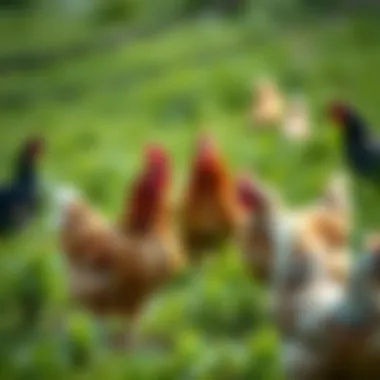
Raising free range chickens has become increasingly popular among poultry enthusiasts and pet owners alike. The appeal of watching chickens roam freely, pecking on the ground and enjoying the sunshine, goes beyond mere aesthetics. There are several compelling advantages related to their welfare, nutrition, and overall environmental impact. Over the years, numerous studies have pointed out the benefits of free range practices, making them a topic worth exploring in depth.
Choosing to tend to chickens that enjoy open spaces not only contributes to their well-being but also results in high-quality eggs and meat. In this article, we will delve into various facets of raising free range chickens. Some key points to consider include the health benefits for both the chickens and consumers, the positive environmental implications, and the economic advantages that come with this approach. By examining these areas, we can gain a clearer understanding of why free range methods are gaining traction.
Animal Welfare Benefits
The welfare of chickens raised in free range environments stands in stark contrast to those kept in confined spaces. When given access to outdoor areas, chickens exhibit strong>more natural behaviorsstrong> such as foraging, dust bathing, and socializing. This not only reduces stress levels but also enhances their physical and psychological well-being. Studies show that chickens allowed to roam free often display fewer signs of aggression and distress compared to their cage-bound counterparts.
Moreover, the quality of life for free range chickens can lead to improvements in their overall health. More natural living conditions contribute to a stronger immune system, reducing the incidence of common illnesses. This, in turn, means that farmers wield less reliance on antibiotics, which is a significant consideration for public health as antibiotic resistance continues to escalate.
Nutritional Quality
Free range chickens can provide eggs and meat that are notably more nutritious than products sourced from factory farms. One major factor that contributes to this superiority is the varied diet that free range chickens can access. Unlike their confined brethren, these chickens can consume insects, worms, and nutrients from natural vegetation, leading to a diet rich in essential vitamins and minerals.
Research indicates that eggs from free range chickens contain higher levels of omega-3 fatty acids and vitamin D. For instance, a study published in the a href="https://www.britannica.com/science/nutritional-value-of-food">Encyclopedia Britannicaa> highlighted how these nutrients are integral for heart and bone health. The better nutrition doesn't just benefit the chickens; it extends to consumers, providing added health benefits as well.
Environmental Impact
There is a growing awareness about the importance of sustainable farming practices, and raising free range chickens offers significant environmental advantages. By allowing chickens to roam and engage in their natural behaviors, farmers can cultivate a more balanced ecosystem. This practice can lead to improved soil quality as chickens naturally fertilize the land with their droppings, promoting the growth of grass and other vegetation.
Another positive aspect is the reduced need for chemical inputs. Free range systems often rely less on artificial fertilizers and pesticides, thus helping sustain local biodiversity. Additionally, the rotation of free range chickens across different areas can prevent overgrazing and promote healthier land management. These changes contribute to a more sustainable food production system, which benefits us all.
Animal Welfare Benefits
When considering the realm of poultry farming, the welfare of the animals plays an essential role in shaping public opinion and consumer choices. Raising free range chickens offers remarkably significant benefits in this respect, establishing a healthier life for the birds and improving the overall ethical standards of farming practices. In this section, we’ll explore three critical aspects that showcase the profound impact of free range practices on chicken welfare: freedom of movement, natural behavior, and reduced stress levels.
Freedom of Movement
The first notable advantage of free range chickens is the freedom they experience daily. Unlike their cage-bound counterparts, free range chickens can roam, forage, and interact with their environment. This space allows them to engage in natural activities such as dust bathing, pecking the ground, and socializing with other chickens. In fact, providing adequate space is essential. According to studies, hens that are allowed to move freely demonstrate higher activity levels and reduced incidents of aggression among flock members, creating a more harmonious living environment.
"Chickens are social beings and thrive in a well-structured populace. Free range allows them to form bonds and establish social hierarchies, which reinforces their overall happiness."
Natural Behavior
One of the primary focuses of animal welfare is recognizing and facilitating natural behaviors. Free range systems allow chickens to exhibit behaviors that are crucial to their well-being, providing mental stimulation and physical exercise. For instance, in a free range setting, chickens engage in foraging - scratching the ground for seeds, insects, and plants. This instinctual behavior not only fosters their natural instincts but also*maintains their health by contributing to a varied diet. Natural behaviors promote well-being for chickens and positively correlate with productivity. Chickens that are more active and engaged often lay better quality eggs and exhibit fewer health issues throughout their lifespan.
Reduced Stress Levels
Another crucial aspect is the reduction of stress levels in free range chickens. Crowded, confined spaces often lead to increased stress in birds, manifesting in various ways, including aggression and lower immune response. Conversely, when chickens have the opportunity to roam freely, they exhibit lower cortisol levels, which is a hormone associated with stress. Furthermore, a study highlighted that free range chickens typically have more access to sunlight, which is known to enhance mood and overall well-being.
By fostering environments where chickens can thrive naturally, farmers not only benefit from healthier flocks but can also market their products as more ethically produced. This aligns with a growing consumer demand for higher animal welfare standards in food production. Overall, raising free range chickens addresses significant moral considerations while contributing to an enhanced quality of life for each animal.
Nutritional Advantages
When it comes to free range chickens, the nutritional benefits they offer are truly significant. Rearing chickens in a natural environment impacts not only their health but also the quality of the products they yield. Consumers today often seek food that is not just sustainable, but also rich in nutrients. This section will delve into the nutritional advantages that free range chickens provide, making it clear why they are increasingly preferred among health-conscious buyers.
Higher Quality Eggs
Comparing Nutritional Profiles
One key aspect of higher quality eggs from free range chickens lies in their nutritional profiles. Studies show that these eggs can contain greater amounts of vitamins and minerals compared to their battery-caged relatives. For instance, free range eggs often have higher levels of vitamin D, owing to the exposure to sunlight that these chickens enjoy. This is a major draw for many consumers who are health-focused and want to ensure that they're not just eating empty calories.
The unique feature that sets these nutritional profiles apart is the gamma-linolenic acid (GLA), which is often present at much higher levels in free range eggs. This component plays a crucial role in heart health and inflammation reduction. In contrast, conventional eggs tend to lack this beneficial fatty acid. Thus, for anyone interested in enhancing their diet, choosing free range eggs represents not just a choice of ethics but also of better nutrition.
Omega-3 Fatty Acid Content
Another standout feature of free range chicken eggs is their impressive omega-3 fatty acid content. The diets of free range chickens are significantly varied; they peck at grasses, seeds, and insects which ultimately enrich their eggs with these powerful fats. Consumers benefit from omega-3s that support brain health and cardiovascular function. Often, this healthier fat profile makes free range eggs a preferred choice over traditional eggs, particularly for those who are mindful about dietary fats.
The high omega-3 levels can reduce the risk of various chronic diseases, making these eggs not just a tasty addition to meals, but a compelling health elixir. However, it’s worth noting that the actual omega-3 content can vary based on the specific diet and environment of the chickens.
Enhanced Meat Quality
Meat Flavor and Texture


One specific aspect central to the appeal of free range chicken meat is its flavor and texture. The chickens have the space to roam and engage in natural behaviors, which helps develop more muscle tone compared to those kept in confined spaces. As a result, the meat typically has a firmer texture and a more robust flavor. This is not just due to physical activity; the diverse diet feeding on grass and insects infuses the meat with a richer taste profile.
Moreover, many consumers report preferring the taste of free range chicken, describing it as more savory and satisfying than conventional chicken. This directly promotes culinary creativity, leading to innovative cooking methods and recipes that highlight the distinctive flavor characteristics of free range meat.
Influence of Diet on Meat Quality
The diet of free range chickens plays a crucial role in influencing the quality of the meat they produce. Free range chickens consume a natural diet rich in nutrients, which not only affects their growth but significantly enhances the nutritional value of the meat. Studies have shown that meat from free range chickens have higher levels of beneficial fats, vitamins, and essential amino acids compared to their conventionally raised counterparts.
The key characteristic of this enhanced diet is that it mirrors what these chickens would eat in the wild. For consumers interested in lean protein options for their meals, free range chicken can deliver a compelling choice that also supports overall health. However, it's essential to recognize that factors like breed and rearing methods can also impact end results, illustrating the complexity behind meat quality.
Environmental Considerations
Understanding the environmental considerations tied to free-range chickens is vital. By promoting responsible farming practices, we can appreciate how these benefits resonate beyond the farm and how they tie into the larger ecosystem. Free-range systems often align with a sustainable ethos, contributing positively to soil health, biodiversity, and lowering our carbon footprint.
Better Soil Health
Soil Fertilization
Free-range chickens contribute significantly to soil health through natural fertilization. When chickens roam freely, they directly deposit manure throughout the pasture. This manure acts not merely as waste; it enriches the soil with essential nutrients like nitrogen and phosphorus. Consider this: a patch of earth treated with chicken manure can flourish, making it rich and fertile. This process of natural fertilization reduces the need for synthetic fertilizers, which can often be harmful to the environment. Thus, integrating free-range practices becomes a popular choice among environmentally-conscious farmers aiming for sustainability. One concern, however, is the balance needed, as too much manure can lead to nutrient runoff.
Reduction of Soil Erosion
Soil erosion is a pressing issue in agriculture that can lead to significant land degradation. Interestingly, free-range chickens can help mitigate this issue. As they scratch and forage, their movements cultivate the soil, promoting a healthier structure that holds water and nutrients. This behavior prevents compacting, thereby assisting in maintaining a robust topsoil layer. Ultimately, the unique aspect of free-range chickens lies in their role as natural tillers. Yet, care is needed to ensure that the land isn't overgrazed, which could lead to opposite effects and worsen erosion.
Biodiversity Promotion
Impact on Local Flora and Fauna
The presence of free-range chickens can boost local biodiversity. Chickens foraging in the fields aid in the growth of a diverse range of plants and insects. As they scratch at the ground, they help aerate the soil and create microhabitats. With a variety of flora and fauna coexisting, the ecosystem's stability strengthens. This positive impact makes free-range systems popular among those championing ecological balance. However, too many birds in a specific location can disrupt this harmony; thus, a well-managed flock is critical for success.
Encouraging Natural Pest Management
A more nuanced benefit of free-range systems is their role in natural pest management. Chickens, being omnivorous, consume pests like insects and larvae, keeping those populations in check. For instance, a flock of chickens happily clucking around a garden combats pests without the need for harmful pesticides. This environmentally friendly approach makes it a favored method among organic gardeners. However, it is essential to monitor chicken interactions with local wildlife to ensure that no imbalance occurs.
Lower Carbon Footprint
Comparative Analysis with Conventional Farming
When comparing free-range chicken farming with conventional practices, a marked difference in carbon emissions often emerges. Conventional farming typically relies on grain-based feeds transported over long distances, contributing to higher carbon footprints. On the other hand, free-range chickens tend to forage naturally, which can significantly reduce the need for feed transport. This clearer path to sustainability makes free-range a more appealing option for environmentally-minded consumers. But it’s important to note that the scale of operation plays a role in overall emissions.
Role in Carbon Sequestration
Another significant aspect of free-range systems is the potential for carbon sequestration. When chickens graze on grasslands, they contribute to healthier plant growth, which captures carbon dioxide during photosynthesis. The nutrient levels in the soil can also increase if managed correctly, which supports even more carbon capture. This makes free-range operations not just a choice for egg and meat quality but also a proactive measure against climate change. However, if not managed properly, these benefits can diminish; an ongoing commitment to best practices is essential.
To summarize, the environmental benefits of free-range chickens extend from better soil health to promoting biodiversity and reducing carbon footprints. They each support sustainable agricultue and a greener planet.
Economic Considerations
The economic implications of raising free range chickens are significant and multifaceted. As more consumers lean towards sustainable food options, the demand for free range products rises. This shift not only impacts consumer purchasing behavior but also influences farmers and poultry producers in how they approach their practices. Understanding the economic considerations related to free range chickens empowers both producers and consumers to make informed choices that align with market trends and ethical values.
Market Demand for Free Range Products
The increasing awareness of animal welfare and sustainable practices has elevated the market demand for free range chicken products. Consumers are not just looking for tasty options anymore; they're also considering how their food is produced. This growing preference is reflected in studies showing that shoppers are willing to pay a premium for eggs and meat from free range sources. As more people dive into the ethical aspect of their diets, producers that cater to this niche market can benefit significantly.
Analysts suggest that this trend is only gaining momentum; thus, getting on the bandwagon early could offer competitive advantages.
Cost-Benefit Analysis
A thorough cost-benefit analysis is essential in evaluating free range chicken farming. While the initial investment might seem daunting, understanding the long-term implications offers a clearer picture.
Initial Investment and Maintenance
Starting a free range operation often requires a hefty initial investment. Set-up costs can include secure fencing, shelters, and possibly more land. Facilities must be designed not only for the chickens' comfort but also to ensure the safety of the flock from predators. However, many farmers find this initial financial output beneficial in the long run. This critical investment often leads to happier chickens, which directly correlates with improved product quality.
One unique feature to highlight is the flexibility in maintenance costs over time. While upkeep can fluctuate, many find that with the right systems in place—such as solar energy for heating or natural pest control methods—the long-term maintenance can even out. Yet, decision-makers must remain cautious about how they approach these costs and plan accordingly.
Long-Term Profitability
The potential for long-term profitability in free range chicken farming cannot be overlooked. Higher retail prices for free range products can lead to greater profit margins compared to conventionally raised chickens. The characteristic of free range products appealing to the health-conscious and ethically minded demographic cannot be overstated. As awareness continues to grow, so does the market for these items, leading to potentially lucrative options for farmers. The unique feature about focusing on long-term profitability is the built-in resilience to market fluctuations. During times when conventional products may be struggling, free range options typically find favor. Adapting business strategies to focus on sustainably raised livestock opens new avenues for income and customer loyalty. Furthermore, farmers often discover that building a brand around ethical practices creates community support that maximizes profitability in unexpected ways.


"Investing in free-range practices not only nurtures the animals but also cultivates a market of loyal patrons—where quality holds more weight than quantity."
As this section illustrates, the economic considerations surrounding free range chickens are both compelling and informative. With peaking consumer interest in quality, ethics, and sustainability, farmers have the chance to thrive economically through informed practices.
Public Health Implications
The discussion around free range chickens doesn't just stop at delicious eggs or tender meat; it delves into an influential realm that affects each of us on a fundamental level—public health. In a world grappling with the consequences of industrial farming, understanding the health implications of free range practices is essential. The benefits of raising free range chickens extend far beyond the farm; they encompass safeguarding community health, lowering the risks associated with antibiotic resistance, and mitigating the potential for zoonotic diseases.
Reduced Antibiotic Use
One of the paramount advantages of free range farming is its correlation with reduced antibiotic use. In typical industrial poultry farming, antibiotics are often administered routinely—not just to sick birds but also to enhance growth rates and prevent disease outbreaks that can arise in crowded conditions. This overuse has led to a troubling rise in antibiotic-resistant bacteria, posing serious risks to human health.
In contrast, free range chickens generally benefit from better living conditions that promote their health naturally. The freedom to roam and forage allows them to engage in instinctive behaviors, such as scratching the ground for insects and pecking at plants. This natural diet contributes to stronger immune systems, meaning less dependency on antibiotics and substantial improvements in the overall health of poultry.
- Key Points:
- Free range farming minimizes reliance on antibiotics.
- Healthier chickens lead to healthier communities.
"By reducing antibiotic use in poultry, we are not only promoting animal welfare but also safeguarding human health from the perils of antibiotic resistance."
Lower Risk of Zoonotic Diseases
Zoonotic diseases, those transmitted between animals and humans, can be a significant concern in conventional farming systems. In crowded environments, pathogens can rapidly multiply, leading to outbreaks that can compromise human health. However, free range chickens benefit from a natural and spacious environment that may help reduce these risks.
With less stress and more natural behaviors, free range chickens often have lower susceptibility to common diseases. This reduced stress also translates into lower pathogen loads, enabling poultry to act as less of a threat to human populations. Moreover, the diverse diet available in a free range system also plays a critical role in maintaining their health.
- Key Points:
- Natural living conditions reduce the likelihood of disease spread.
- Healthier chickens equate to lower risks of disease transmission to humans.
Through the lens of public health implications, it becomes evident that raising free range chickens does more than enhance quality of life for the chickens themselves. It ensures a sustainable agricultural practice that prioritizes health for both animals and humans alike.
Culinary Experience
The culinary experience associated with free range chickens offers a depth that resonates with food enthusiasts and casual cooks alike. As more people turn their attention to mindful eating habits, understanding the culinary potential of ingredients becomes essential. Free-range chickens have a unique story to tell through their flavor and texture, attributes that can significantly elevate meal preparation and enjoyment. By delving into the characteristics of free range poultry, we can appreciate how they transform an ordinary meal into an extraordinary experience.
Flavor and Texture in Cooking
Influence of Diet on Flavor
The diet of free range chickens plays a key role in shaping the flavor profile of both their eggs and meat. Unlike their conventionally raised counterparts, these chickens forage for insects, grubs, and greens, which enriches their diet and leads to a more complex taste. This diverse exposure to natural foods contributes essential nutrients, imparting a richer, more vibrant flavor to their products. It's this distinctiveness that intrigued many chefs seeking to provide a unique culinary experience. A notable characteristic here is the enhanced umami taste found in free range eggs—a crucial element that can elevate any dish from basic to memorable.
- Advantages
- Natural Sweetness: Free range chickens often exhibit a hint of sweetness in their eggs and meat due to the varied diet they consume.
- Health Benefits: The nutritional density gained from their diet not only improves flavor but also enhances the overall health benefits of the produce.
Nonetheless, one must consider that the flavor’s uniqueness might not be to everyone’s palate. Some consumers may still favor the more straightforward tastes of conventionally raised poultry, revealing personal preference intricacies that make the conversation about poultry flavor fascinating.
Cooking Preferences Among Chefs
Cooking Preferences Among Chefs
In the culinary world, chefs are increasingly leaning toward free range chicken, not only for its superior flavor but also for ethical considerations. Many chefs advocate for responsible sourcing, making free range chicken a popular choice on their menus. A prominent aspect influencing this choice is the textural quality of free-range meat. Because these birds are allowed to roam freely, their muscles develop differently compared to birds raised in confined spaces, resulting in a leaner, firmer texture that holds up well during cooking.
- Benefits for Food Professionals:
- Versatility in Dishes: The robust texture and flavor of free range meat make it suitable for a variety of cooking methods, from grilling to slow-roasting.
- Mindful Menu Choices: Chefs can incorporate free-range chicken into their menus, aligning with the growing demand for ethically sourced ingredients without sacrificing quality.
However, the shift to using free range chicken can come with cost implications. The price per pound is generally higher, which poses a challenge for budget-conscious restaurants. Striking a balance between quality and cost is a common predicament faced by operators in the food industry. But, the consensus remains—when it comes to flavor and ethical considerations, free range chicken stands as a clear choice for chefs looking to enhance their culinary offerings.
"Choosing free range chicken is not just about taste; it’s about connecting with the source of our food in a responsible way."
In closing, the culinary experience provided by free range chickens is rich, nuanced, and increasingly valued in food circles. Whether one is a home cook or a professional chef, recognizing the depth of flavor and quality that free range poultry delivers can inspire creative cooking and meaningful dining experiences. Incorporating these elements into cookbooks, restaurant menus, or dinner parties can open up engaging dialogues about food sourcing and its impact on culinary arts.
For further reading, check out resources like Wikipedia and Britannica. For a more engageing community on sustainable poultry farming, Reddit provides ample discussion threads.


Consumer Behavior and Preferences
Trends in Sustainable Consumerism
The movement towards sustainable consumerism has gained significant momentum over the past decade. People are not just looking to purchase goods; they are increasingly searching for products that align with their values. When it comes to poultry, free range products stand out as a beacon for those desiring transparency in animal husbandry practices. Consumers are keen on supporting farmers who allow their animals to roam freely, thus ensuring that they live a more natural and humane life.
- Awareness and Education: Knowledge dissemination through social media and platforms like reddit.com has played a crucial role in shaping consumer preferences. The more individuals learn about the negative impacts of conventional farming, such as overcrowding and antibiotic use, the more they tend to prefer free range options.
- Health Consciousness: Many folks recognize the nutritional advantages of free range products over their conventional counterparts. Being aware that these chickens have access to outdoor spaces allows consumers to feel more confident that they are making healthier choices for themselves and their families.
- Sourcing Locally: Consumers are increasingly interested in where their food comes from. Buying from local farmers markets or farms that practice free range farming not only benefits local economies but also contributes to a lower carbon footprint, which is a huge plus for the environmentally conscious shopper.
"People are defining their purchases by the impact they have on the planet and society instead of solely by price or convenience."
This shift isn’t just a fad; it’s a fundamental change in the way consumers view their relationship with food, emphasizing sustainability at every turn.
Ethical Considerations for Purchases
Ethics in purchasing decisions has taken center stage as consumers grapple with the moral implications surrounding food production. When people buy free range products, they send a clear message that animal welfare matters. Here are some key ethical considerations:
- Animal Rights and Welfare: With a spotlight placed on how farm animals are treated, there's a strong drive among consumers to choose products that come from humane sources. Free range chickens generally have better living conditions compared to caged alternatives, allowing for natural behaviors like foraging and socialization, which many ethical consumers are keen to support.
- Supporting Ethical Farmers: Choosing to buy free range products is a way to support local farmers who adhere to ethical farming practices, which don't exploit animals for profit. This creates a cycle of support where ethical farmers prosper, encouraging more individuals to adopt humane practices.
- Environmental Justice: Increasingly, consumers recognize that the treatment of animals is not just an isolated issue but interwoven with broader environmental concerns. By purchasing free range, consumers are supporting farming methods that promote biodiversity, healthier ecosystems, and better treatment of land.
These considerations are not merely theoretical; they manifest in real purchasing power. People are ready to pay a bit more — a clear indication that they value ethical practices and are willing to act on their beliefs. This trend continues to evolve as more individuals become informed and invested in the realities of their consumption choices.
Circular Economy Contributions
The concept of the circular economy emphasizes a regenerative approach to production and consumption. This is an area where free range chickens stand out, demonstrating significant contributions to sustainable practices. The integration of free-range farming within a circular economy not only improves local systems but also promotes biodiversity and resource efficiency.
Waste Reduction
When chickens roam freely, their natural behaviors contribute to waste reduction in numerous ways. For instance, their foraging instincts can help control unwanted pests such as insects and weeds. Instead of relying on chemical pesticides, farmers can let their chickens do the heavy lifting. This not only minimizes the need for synthetic chemicals but also creates a healthier ecosystem on the farm.
Additionally, the manure produced by free-range chickens becomes a valuable resource. Instead of being viewed as waste, it can be composted and used as a nutrient-rich fertilizer, returning organic matter back to the soil. This process not just supports soil health but also reduces the need for chemical fertilizers, aligning with sustainable practices.
Farmers have observed that integrating chickens into crop cycles can lead to a % increase in soil fertility, showcasing the effective role they play in waste reduction.
Resource Efficiency
Efficient use of resources is paramount in today’s environmentally conscious society. Free range chickens contribute to this efficiency through various means. Firstly, by grazing and foraging, they require less supplemental feed compared to their conventional counterparts, which often depend heavily on grain-based diets. This feature leads to a considerable reduction in the resources needed to raise poultry.
Moreover, free-range farming often encourages polyculture over monoculture. This means farmers can integrate chickens with other crops and livestock, creating a diverse farming ecosystem. Such practices not only maximize land use but also enhance productivity by leveraging beneficial interactions among different species. For example, chickens can help improve soil structure through their scratching, which aerates the soil and promotes healthier plant growth.
In regions where free-range practices are adopted, resource efficiency has been reported to increase by nearly 40%, reflecting the advantages of integrating these birds into agricultural frameworks.
Ultimately, the circular economy contributions of free range chickens reflect the future direction of sustainable farming, emphasizing not only animal welfare but a broader ecological balance. As more producers adopt these practices, the benefits will extend beyond mere economic gains, further enhancing community resilience and environmental welfare.
Future Perspectives
As the world pivots towards more sustainable practices, the future of free range chicken farming looks promising. The shift in consumer preferences demands that we explore innovative methods to improve animal welfare and nutritional outcomes while also minimizing environmental impact. By thinking ahead, farmers can adopt new technologies and strategies that cater to these evolving priorities. Attention to future perspectives is crucial as it not only highlights potential advancements but also addresses challenges that may arise in the path of sustainable poultry production.
Innovations in Free Range Farming
Innovation in the context of free range chickens stands at the crossroads of technology and traditional practices. From mobile coops that allow farmers to frequently relocate their birds, promoting pasture quality, to automated feeding systems that help in managing flock health, innovations are emerging at a rapid pace.
- Mobile Poultry Units: This innovative strategy allows farmers to rotate their chickens on different plots of land. This way, the chickens can forage naturally, helping to keep their diet varied and nutritious.
- Smart Monitoring: Utilizing sensors and technology can aid farmers in tracking their flock’s health and egg production in real time. This data helps in quickly addressing any health issues, leading to better overall welfare.
Such innovations not only enhance the sustainability of free range chicken farming but also improve the efficiency and productivity of the operation.
Potential Challenges
While advancements promise a bright future for free range chicken farming, various challenges could hinder its progress. Addressing these challenges is crucial for farmers who wish to maintain the integrity of their practicies.
Adapting to Climate Change
Climate change poses significant threats to all forms of agriculture, not excluding poultry farming. As temperatures rise and extreme weather events become more frequent, chickens face challenges that can affect their overall health and productivity. This aspect of adapting to climate change may require significant adjustments in management practices.
- Key Characteristic: The ability to implement measures such as climate-resilient feed crops or improved housing to ensure chickens are insulated from harsh weather is essential.
- Unique Feature: Innovations in shelter designs that enhance ventilation and comfort can directly impact the bird's stress levels and ensure better health outcomes.
The challenge lies in balancing immediate adaptation measures with long-term sustainability goals. For poultry farmers, this might translate into higher initial costs but can lead to substantial profit in the long run through enhanced productivity and animal welfare.
Managing Predator Risks
Free range systems, while offering numerous benefits, also expose chickens to predators. This aspect requires careful consideration and strategic planning to minimize losses while maintaining a healthy, free-range environment.
- Key Characteristic: Implementing protective measures such as fencing, guard animals, or using technology to monitor and detect predators can be effective strategies.
- Unique Feature: Farmers need to assess their individual landscape and understand the particular predators in the area which informs the type and level of protection required.
Efforts to manage predator risks can create a balance that ensures the welfare of the chickens while still allowing them the freedom to roam and exhibit natural behaviors.